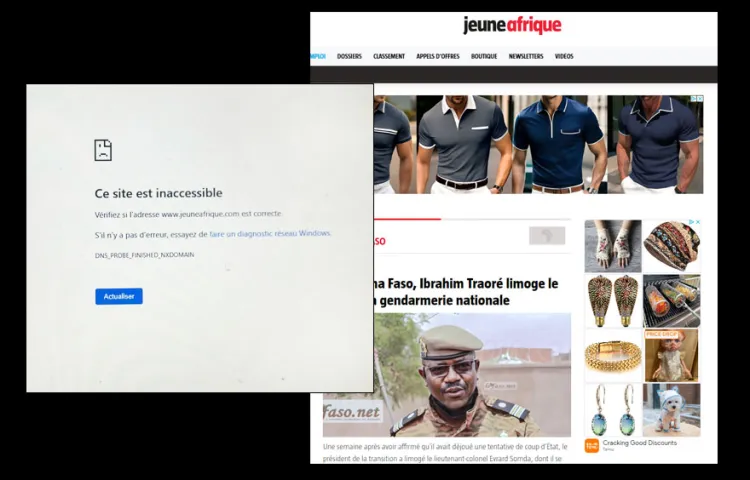
CPJ calls for Burkina Faso to reverse suspension of Jeune Afrique
Dakar, October 4, 2023—The Committee to Protect Journalists on Wednesday called on Burkinabè authorities to lift their suspension of the French news magazine Jeune Afrique, reverse their suspension of other media outlets, and ensure journalists can work in the West African country without fear of reprisal. On September 25, the government issued an order, reviewed…
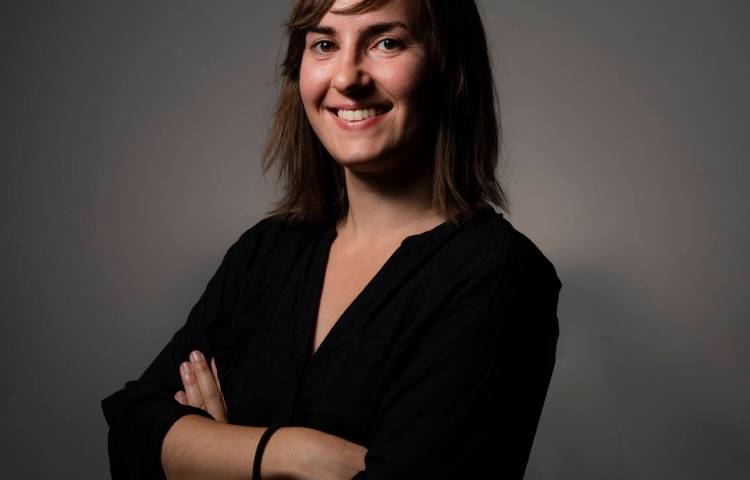
French intelligence agents search home, detain journalist Ariane Lavrilleux over leaks investigation
Berlin, September 20, 2023—France’s domestic intelligence agency should immediately release freelance journalist Ariane Lavrilleux from custody, drop all criminal investigations against her, and refrain from questioning her about her sources, the Committee to Protect Journalists said on Wednesday. On Tuesday, September 19, police officers with the General Directorate for Internal Security, accompanied by an investigating…
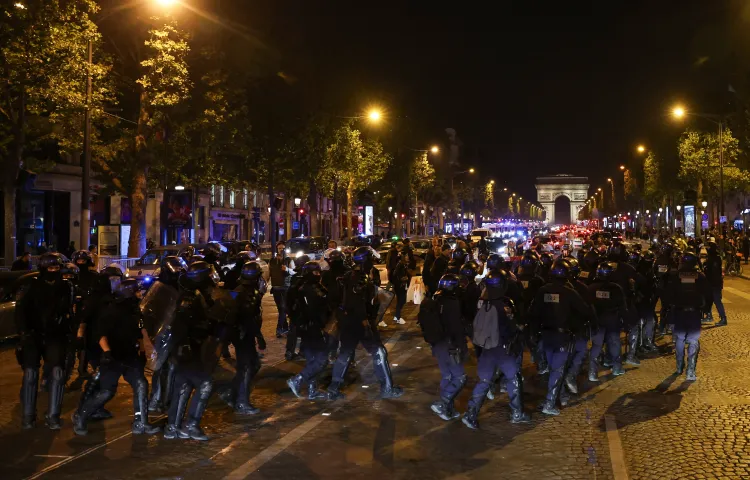
Police and protesters attack, obstruct at least 18 journalists covering French protests
Berlin, July 13, 2023—French authorities should investigate and hold to account police and activists responsible for attacks on journalists covering the nationwide demonstrations and riots that swept France after police shot and killed a 17-year-old delivery driver at a traffic stop in a Paris suburb, the Committee to Protect Journalists said Thursday. Protesters attacked or…
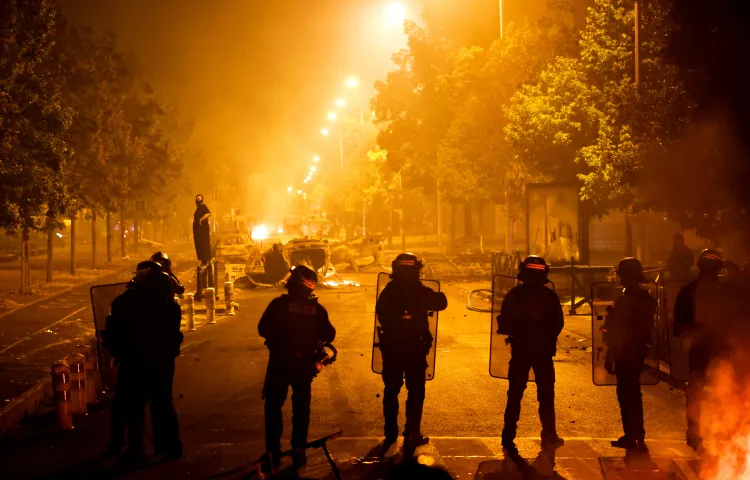
CPJ Safety Advisory: Covering anti-police protests in France
Violent protests have spread across France and Belgium following the fatal shooting of a 17-old teenager by police during a traffic stop in the Paris suburb of Nanterre on Tuesday, June 27. Skirmishes between police and protestors have been reported in cities including Lille, Toulouse, Marseille, Lyon, Pau, Montpellier, and the Belgian capital of Brussels….
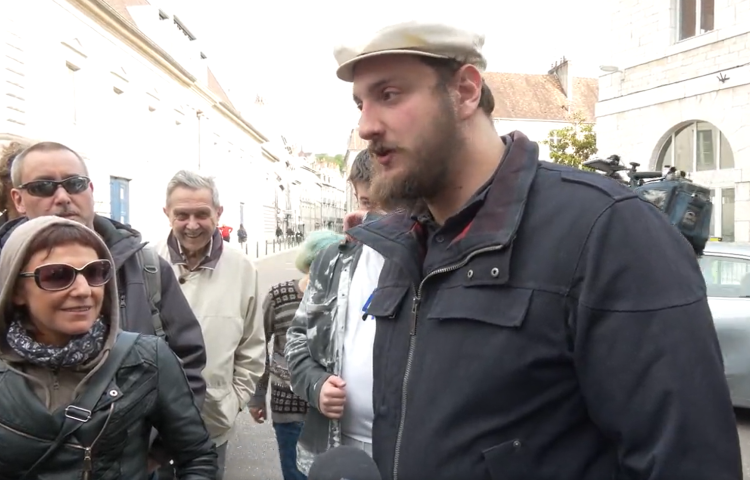
French reporter Toufik-de-Planoise charged over protest coverage
Berlin, May 3, 2023—French authorities should drop all criminal charges against journalist Toufik-de-Planoise and ensure that members of the press do not face legal retaliation for their work, the Committee to Protect Journalists said Wednesday. On April 26, police summoned de-Planoise, a reporter with the privately owned local outlets Média 25 and Radio Bip, to…
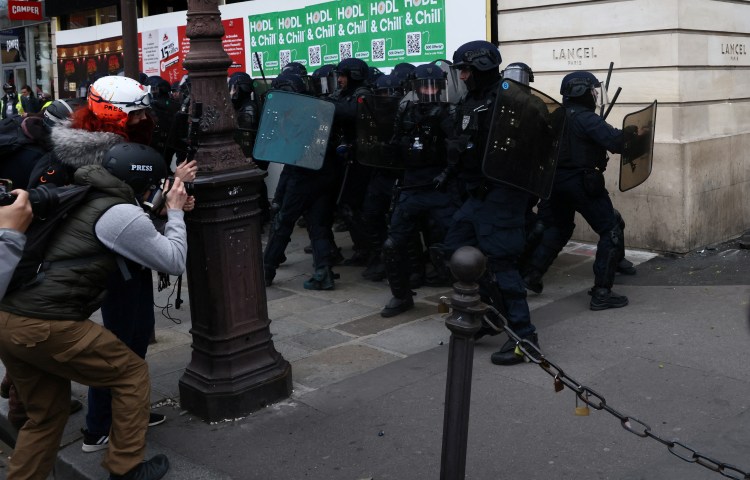
French police beat, obstruct journalists covering pension protests
Berlin, April 4, 2023—French authorities should swiftly and thoroughly investigate recent attacks on journalists covering protests and ensure that police officers responsible for harassing members of the press are held to account, the Committee to Protect Journalists said Tuesday. Demonstrations broke out throughout France on March 16, after the government raised the retirement age by…
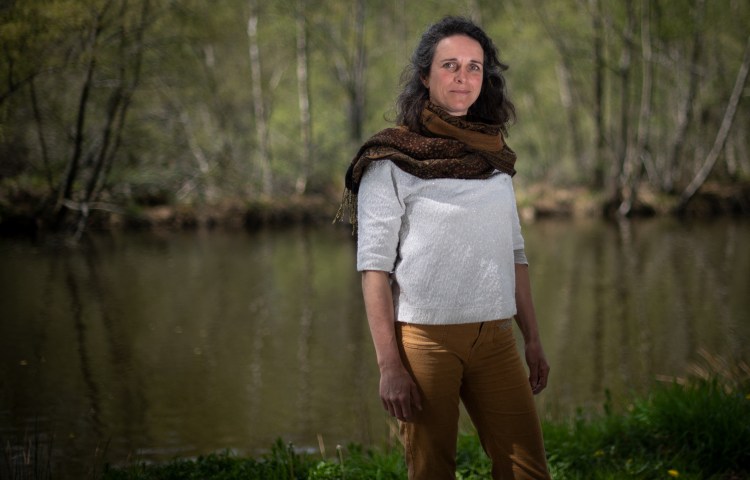
CPJ calls for French authorities to probe suspected sabotage of French journalist Morgan Large’s car
Berlin, March 31, 2023 – French authorities must conduct a swift and thorough investigation into the suspected sabotage of investigative journalist Morgan Large’s car and ensure her safety, the Committee to Protect Journalists said Friday. On March 24, Large, a host for the privately owned Radio Kreiz Breizh and co-founder of local investigative website Splann!,…
French journalist Cemil Şanlı receives death threat, accosted outside home
Berlin, March 16, 2023 — French authorities should thoroughly investigate threats and insults received by journalist Cemil Şanlı and take immediate steps to ensure his safety, the Committee to Protect Journalists said Thursday. On the morning of March 2, Şanlı, a broadcast journalist for the privately owned independent news outlet Le Média TV, received a…
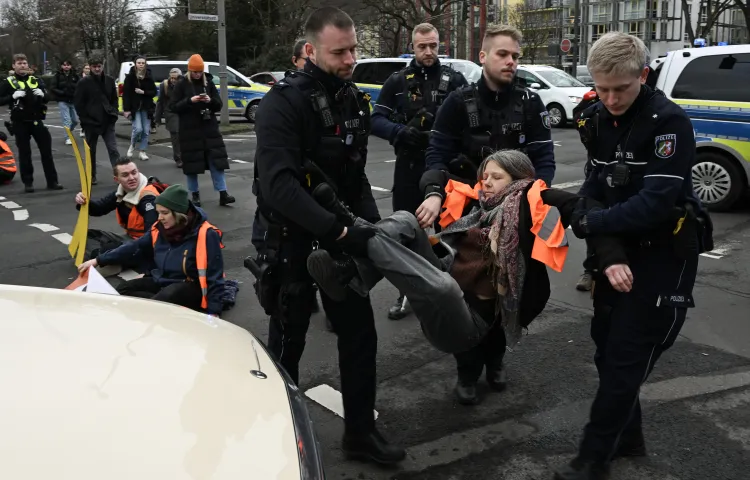
‘I am challenged at the court for simply doing my job’: Journalists covering climate issues in Europe face growing threats
Skyrocketing temperatures and catastrophic flooding have hammered home the realities of climate change in Europe, making environmental coverage one of the continent’s most important beats. It’s also an increasingly dangerous one as journalists face legal and physical harassment for reporting on polluters, amid other concerns. Of course, Europe isn’t the only place where journalists find…
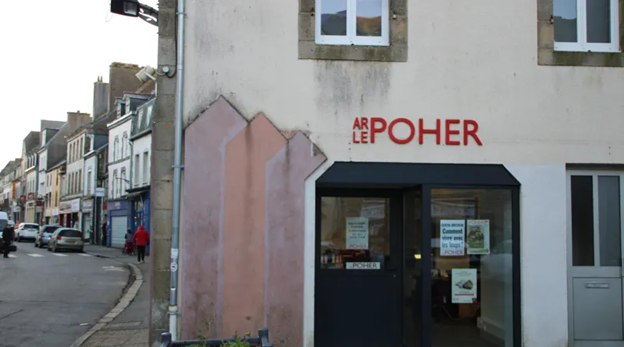
French journalist Erwan Chartier, Le Poher staff receive death threats
Berlin, February 14, 2023 — French authorities should swiftly and thoroughly investigate the death threats received by journalist Erwan Chartier and the editorial staff of the Le Poher newspaper and ensure their safety, the Committee to Protect Journalists said Tuesday. On January 31, an unidentified person sent an email to Chartier containing racial slurs and…