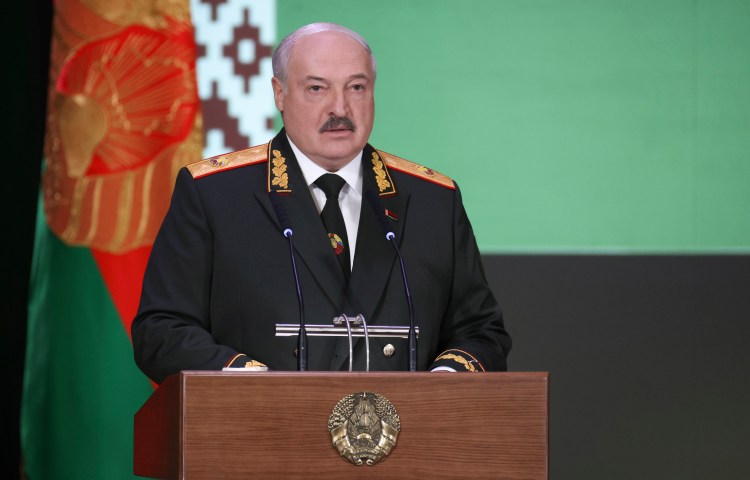
Belarus takes more than 20 ‘extremist’ news websites offline
New York, April 23, 2024—The Committee to Protect Journalists strongly condemns Belarusian authorities’ decision to cancel the domain names of news websites they labeled as “extremist” and calls for an end to the use of extremism legislation as a censorship tool to silence independent reporting. In an April 4 order, the Operational and Analytical Center (OAC)…
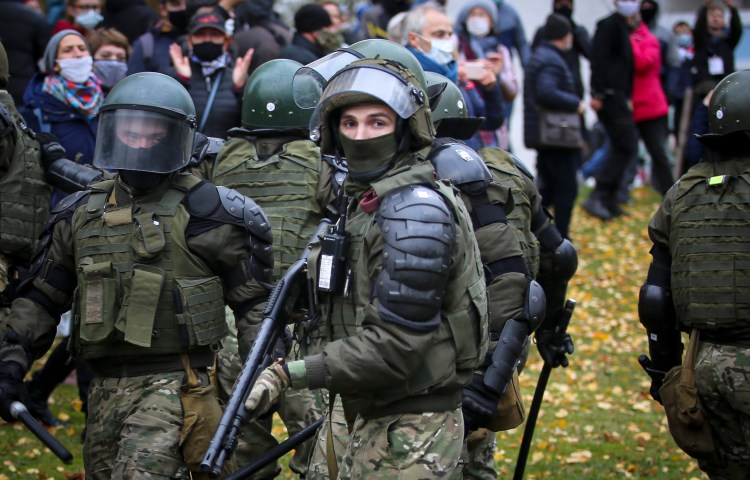
Belarus jails blogger Aliaksandr Ignatsiuk for 6 years on defamation, extortion charges
New York, April 19, 2023—Belarusian authorities must immediately release journalist Aliaksandr Ignatsiuk, who was sentenced to six years imprisonment, and ensure that no members of the press are jailed for their work. On April 5, a court in the southern city of Stolin convicted Ignatsiuk of extortion, organizing or participating in gross violations of public…
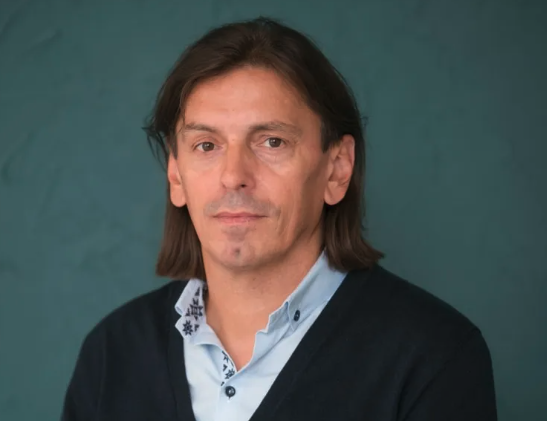
Belarusian journalist Ihar Karnei sentenced to 3 years in prison on extremism charges
New York, March 22, 2024—The Committee to Protect Journalists condemned the sentencing on Friday of Belarusian journalist Ihar Karnei to three years in prison and a fine of 20,000 rubles (US$6,115) on charges of participating in an extremist group. “It took three days for the Belarusian authorities to send Ihar Karnei to prison for three…
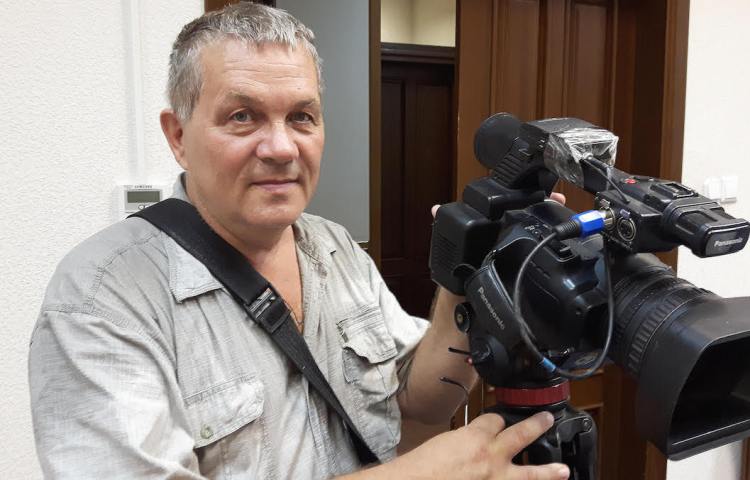
Belarusian court sentences camera operator Andrei Tolchyn to 2.5 years
New York, March 21, 2023—The Committee to Protect Journalists calls for journalist Andrei Tolchyn’s immediate release after a Belarusian court on Thursday sentenced him to 2.5 years in prison for facilitating extremism and defaming President Aleksandr Lukashenko. “The 2.5 year prison sentence handed to journalist Andrei Tolchyn on unfounded charges is yet another demonstration of…
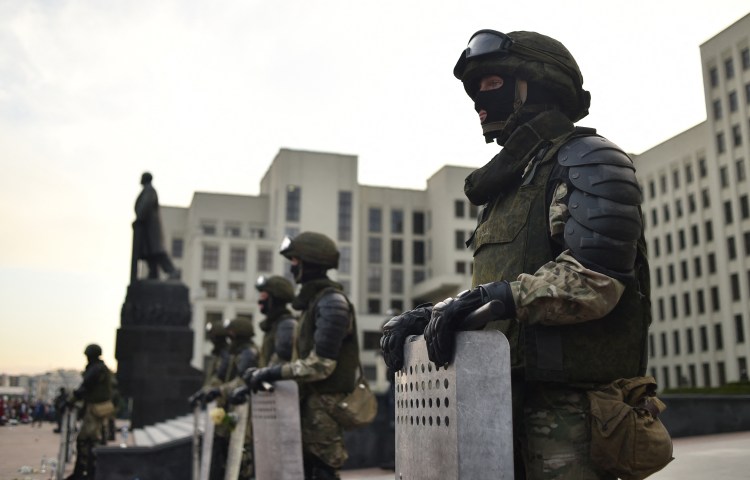
Belarusian court sentences photojournalist Aliaksandr Ziankou to 3 years on extremism charges
New York, January 30, 2024—The Committee to Protect Journalists calls on Belarusian authorities to stop using extremism laws against journalists following a Belarusian court’s Tuesday sentencing of Aliaksandr Ziankou to three years in prison for allegedly participating in an extremist group. “The sentencing of veteran journalist Aliaksandr Ziankou to three years in prison is yet…
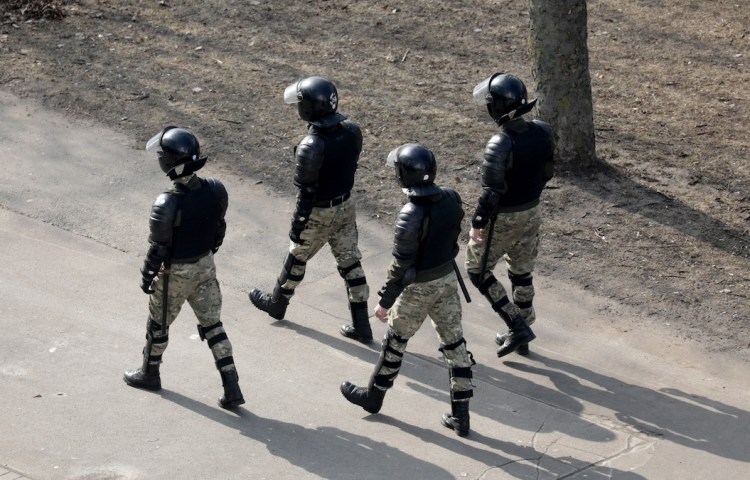
Belarusian authorities start trial of Aliaksandr Ziankou, bring charges against Ales Sabaleuski, detain Yauhen Hlushkou
New York, January 18, 2024—The Committee to Protect Journalists calls on Belarusian authorities to drop all charges against journalist Aliaksandr Ziankou and to disclose the charges against journalist Ales Sabaleuski and the reason for the recent detention of journalist Yauhen Hlushkou. On January 12, Minsk City Court began the trial of Ziankou, a freelance photojournalist,…
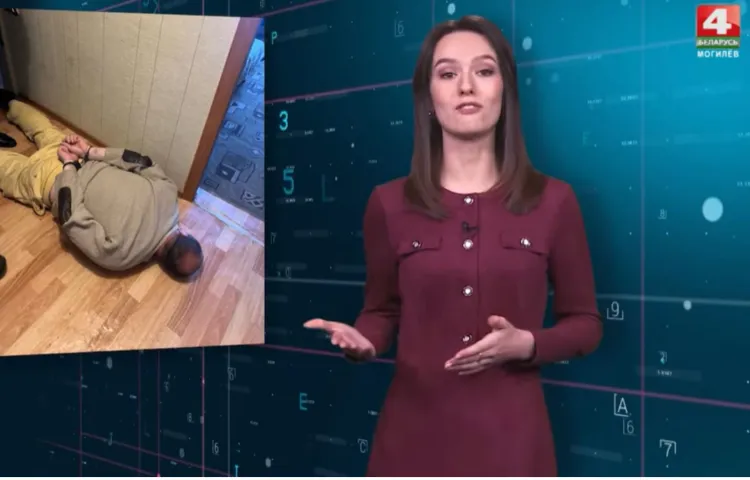
Belarusian authorities detain at least two journalists in Mahilou
Paris, December 19, 2023—The Committee to Protect Journalists calls on Belarusian authorities to disclose the reason for the recent detention of journalist Ales Sabaleuski and shed light on the whereabouts of journalist Aliaksei Batsiukou. “The detention of journalist Ales Sabaleuski and the disappearance of journalist Aliaksei Batsiukou in the Belarusian city of Mahilou is especially…
Belarusian authorities detain at least two Ranak journalists
New York, December 8, 2023—The Committee to Protect Journalists condemns the detention of Belarusian journalists Liudmila Andenka and Yulia Dovletova, and calls on Belarusian authorities to release them immediately. “Belarusian authorities continue using their shameful ‘extremism’ legislation by imprisoning journalists who have worked for media that they have arbitrarily banned from operating in the country,”…
Belarusian journalist Alyaksandr Mantsevich sentenced to 4 years in prison
New York, November 3, 2023—The Committee to Protect Journalists condemns a Belarusian court’s Friday sentencing of journalist Alyaksandr Mantsevich to four years in prison for allegedly discrediting Belarus. “Alyaksandr Mantsevich’s four-year prison sentence, the highest provided under the charges laid against him, is yet another example of the Belarusian authorities’ resentful attitude towards independent journalists,”…

Tipping the scales: Journalists’ lawyers face retaliation around the globe
The smears began the day Christian Ulate began representing jailed Guatemalan journalist José Rubén Zamora: tweets accusing the lawyer of being a leftist or questioning his legal credentials. He began to fear he was being surveilled. Ulate had taken over the case in August 2022 from two other lawyers, Romeo Montoya García and Mario Castañeda,…