Philippines
2010
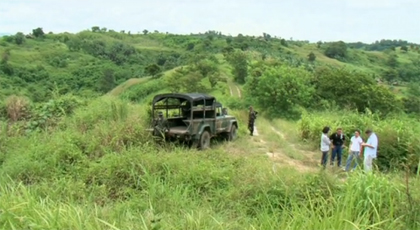
CPJ’s Press Freedom Awards remember Maguindanao
November 23 marked both an evening of celebration of the courageous and remembrance of the slain: CPJ’s annual International Press Freedom Awards fell on the exact one-year anniversary of the Maguindanao massacre in the Philippines, the deadliest attack on the press ever recorded in CPJ history.
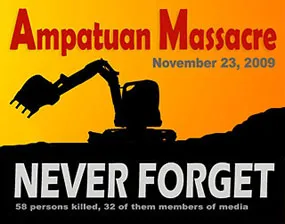
Marking Maguindanao, events for reflection, justice
Tuesday is the anniversary of the deadliest attack on the press ever recorded by CPJ. On November 23, 2009, 32 journalists and media workers were shot and killed in a massacre of 57 people in Ampatuan, in the southern province of Maguindanao. The victims were part of a convoy accompanying the supporters and relatives of…
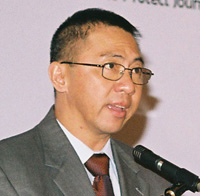
Remembering Philippine prosecutor Leo Dacera
Leo Dacera, a senior state prosecutor and head of the witness protection program for the Philippine Department of Justice, died suddenly on November 4. Initial news reports said Dacera, 54, left, was the victim of an apparent heart attack. Dacera’s untimely death is a tremendous blow to all those seeking to end the culture of…
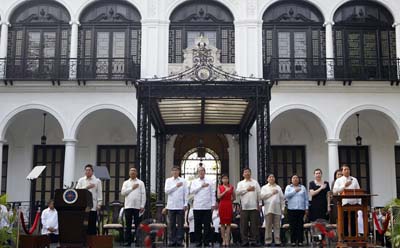
Despite fatal shootout, Philippines officials meet with CPJ
About 18 hours after eight hostages and the gunmen holding them in a tourist bus were killed in a shootout with police in the heart of Manila, officials broke away from the demands of the moment to meet with a CPJ delegation in the president’s offices at Malacañang Palace. Justice Secretary Leila de Lima was…
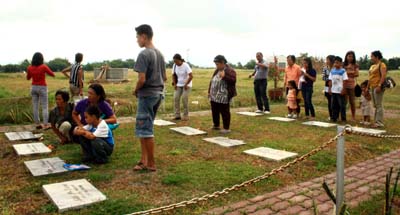
From grief of Maguindanao, a ‘family’ emerges
Today marks nine months since the Maguindanao massacre, the deadliest event for the press that CPJ has ever recorded. On November 23, 2009, at 10 a.m., a convoy traveling to the provincial capital of Shariff Aquak to file gubernatorial candidacy papers stopped at what appeared to be a routine military checkpoint. Hours later, authorities would…
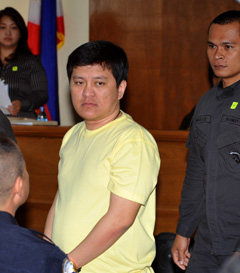
‘Litmus test’ begins in Maguindanao prosecution
A judge’s decision today to set a September 1 trial date for several defendants in the Maguindanao massacre highlights a positive development in what has been a very ugly story. The judge appeared determined to move the case forward and, for now, seemed able to keep the large legal teams in line. Quezon City Regional Trial…
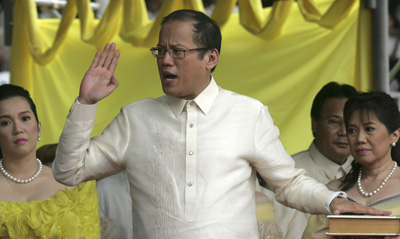
To combat Philippine impunity, Aquino needs new tactics
It’s too soon to expect a turnaround in the Philippines’ miserable record of attacks on journalists. President Benigno Aquino was sworn in just two weeks ago. The problem of unprosecuted journalist murders—the Philippines ranks third on CPJ’s Impunity Index—is embedded in a political culture of widespread violence and little law enforcement. That hasn’t changed, and…
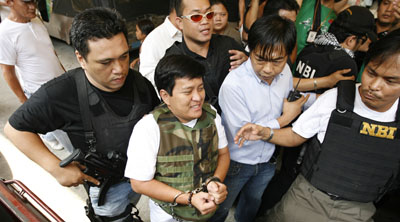
Justice takes twisting turns in Philippines massacre
An apparent injustice has been reversed—Philippines Justice Secretary Alberto Agra refiled murder charges against two key figures in the November 2009 mass killing of journalists and others in Maguindanao. On April 19, we filed an alert expressing our dismay that Agra had dropped murder charges against Zaldy Ampatuan, former governor of the Autonomous Region in Muslim Mindanao, and his uncle, Akmad…
Impunity Summit: Solidarity in fighting journalist murders
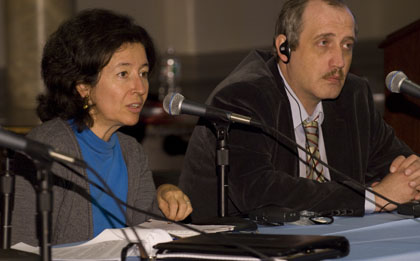
Every day at CPJ, we count numbers: 18 journalists killed in Russia since 2000, 32 journalists and media workers slaughtered in the Maguindanao massacre, 88 journalists murdered over the last 10 years in Iraq. But on Tuesday night at CPJ’s Impunity Summit at Columbia University, CPJ Executive Director Joel Simon clarified why we were gathered:…
Philippine high court spokesman: Death threats ‘funny’
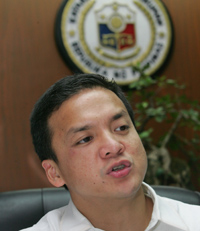
Midas Marquez, spokesman for the Philippine Supreme Court, has told local reporters that he considers death threats sent anonymously by text message to journalist Marites Dañguilan Vitug to be “funny” and “ridiculous.” Marquez was asked to comment in his official role because the threats began shortly after the release of Vitug’s new book, Shadow of…