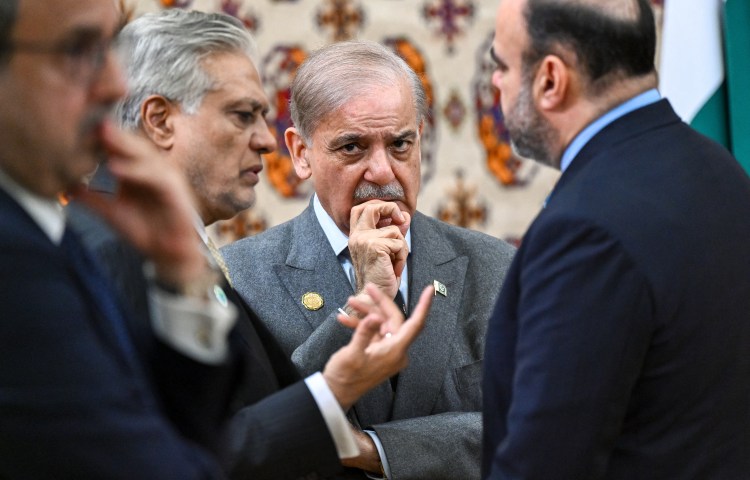
Harassed at home, convicted abroad: Pakistan steps up prosecution of overseas journalists
Pakistan’s government has stepped up the use of in absentia convictions and arrest warrants against Pakistani journalists living overseas since late 2025, highlighting an escalating crackdown by Prime Minister Shehbaz Sharif’s government on critical reporting and commentary that extends beyond domestic borders. In early January, four foreign-based Pakistani journalists and commentators were convicted on the…
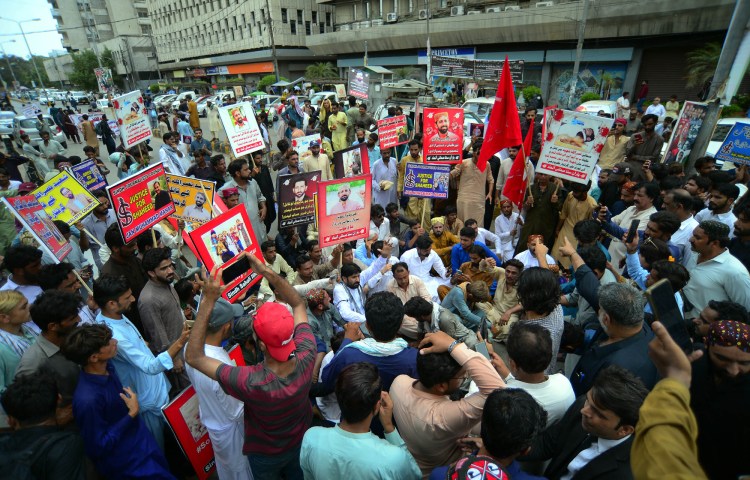
‘If you scream no one will hear you’: Pakistani journalists report in fear amid spike in media killings
Hope for justice in journalist murders is dim across the world, but especially in Pakistan, which has appeared on CPJ’s Global Impunity Index every year since the list’s inception in 2008. This year, the South Asian country ranks twelfth out of the 13 worst offenders. CPJ’s impunity index lists countries where perpetrators who kill journalists…
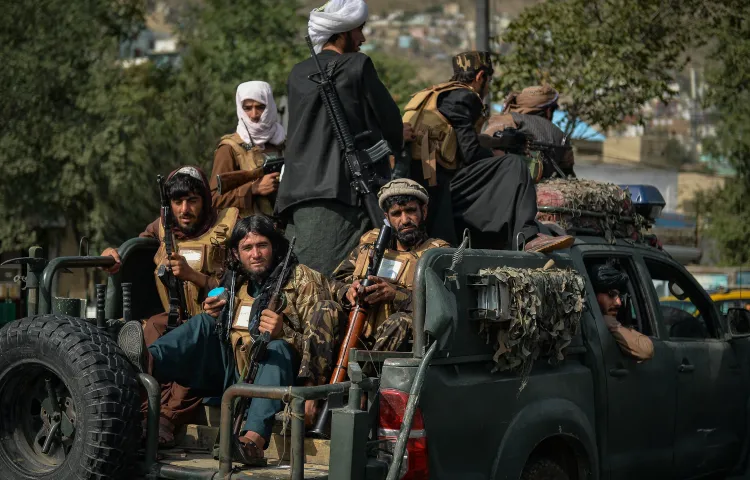
Two years into Taliban rule, media repression worsens in Afghanistan
When the Taliban retook control of Afghanistan in 2021, they promised to protect press freedom and women’s rights – a key facet of their efforts to paint a picture of moderation compared to their oppressive rule in the late 1990s. “We are committed to the media within our cultural frameworks. Private media can continue to…
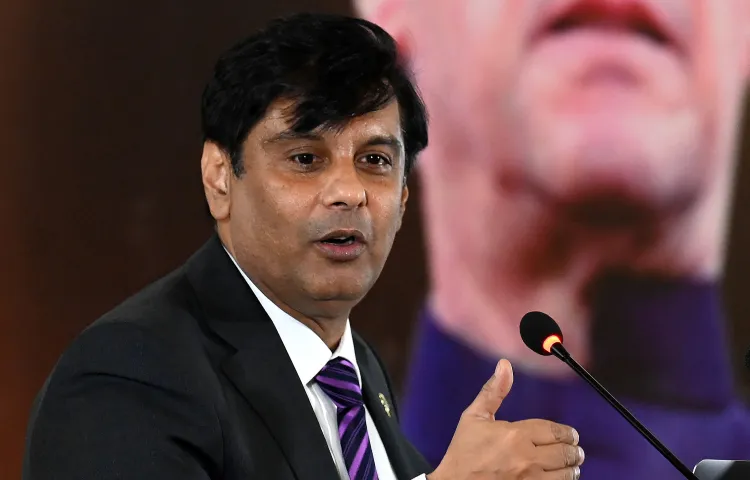
CPJ, 14 organizations call on Kenyan authorities to expedite investigations into killing of journalist Arshad Sharif
CPJ and 14 human rights organizations and press associations issued a joint statement on Tuesday, May 2, calling on Kenyan authorities to expedite investigations into the killing of Pakistani journalist Arshad Sharif and to ensure accountability in a transparent judicial process. In October 2022, Kenyan police said an officer fatally shot Sharif in Kajiado County…

‘I am dying every day:’ Wife of killed Pakistani journalist Arshad Sharif calls for justice
Justice remains elusive six months after the killing of prominent Pakistani journalist Arshad Sharif in Kenya on October 23, 2022. Kenyan authorities claimed Sharif was shot dead by Kenyan police in an incident that shocked Pakistan’s media community and raised questions about whether his death was connected to his work. “This was a targeted killing,”…

‘Living in fear’: Exiled Afghan journalists face arrest, hunger in Pakistan
Stuck with no income for more than a year after fleeing Afghanistan for Pakistan, Samiullah Jahesh was ready to sell his kidney to put food on the table for his family. “I had no other option, I had no money or food at home,” Jahesh, a former journalist with Afghanistan’s independent Ariana News TV channel,…
Why the UN’s push for a cybercrime treaty could imperil journalists simply for using the internet
Cybercrime is on the global agenda as a United Nations committee appointed to develop a treaty on the topic plans for its first meeting amid pandemic-related delays. The process is slated to take at least two years, but experts warn that such a treaty – initially proposed by Russia – could hand new tools to…
At-risk journalists who must flee home countries often find few quick and safe options
In 2018, journalist Mohammad Shubaat was in Daraa, Syria, caught between advancing forces aligned with Syrian President Bashar al-Assad and the closed borders of Israel and Jordan. Despite the dire threat to Shubaat and many of his colleagues, it would take over a year of intense negotiations with some 20 countries by the Committee to…
As ruling party fans spew online abuse, Pakistan’s female journalists call for government action
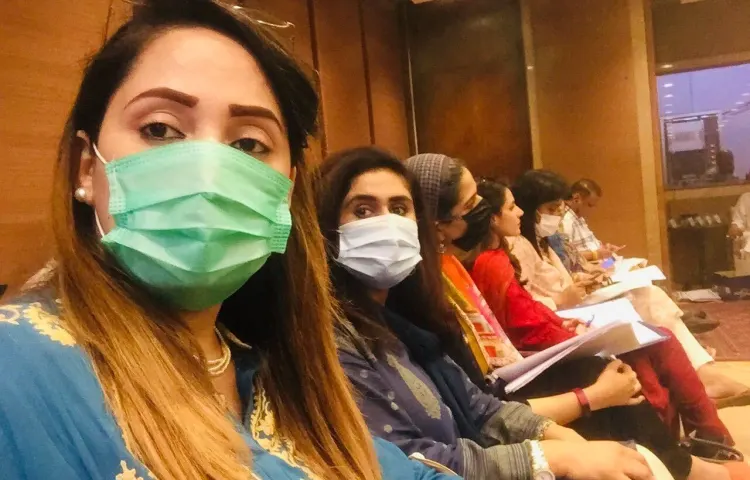
On August 16, Ramsha Jahangir should have been celebrating a journalistic triumph, the release of a long, deeply reported cover story for the weekend magazine of Pakistan’s Dawn newspaper on the government’s social media strategy and image-building. Instead, she spent the day watching in horror as a torrent of abuse filled her social media feeds. Eventually, she went offline. …

Pakistan broadcast regulator proposes sweeping control of internet news programs
Munizae Jahangir knew she’d be prevented from putting Mohsin Dawar on her nightly “Spotlight” talk show on Aaj TV, an Urdu-language Pakistani station. Dawar, an elected member of the national assembly, is a leading figure of the Pashtun Tahafuz Movement (PTM), which aims to boost the rights of the Pashtun people clustered in Pakistan’s western…