Afghanistan
2010
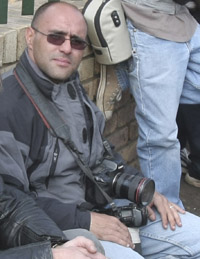
How to support injured photojournalist Joao Silva
New York Times photojournalist Joao Silva lost both his legs when he stepped on an anti-personnel mine in Afghanistan on October 23. “Those of you who know João will not be surprised to learn that throughout this ordeal he continued to shoot pictures,” wrote New York Times Executive Editor Bill Keller in a memo to…
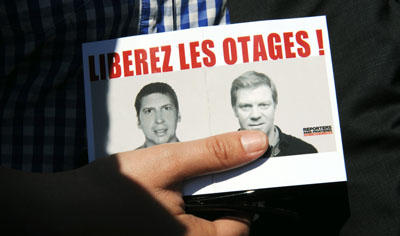
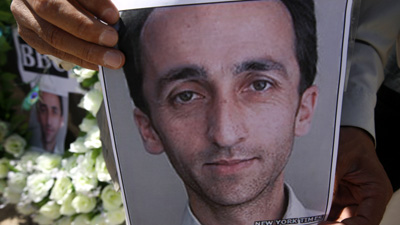
As with Norgrove, a need to probe Munadi death
This morning, Prime Minister David Cameron announced that British aid worker Linda Norgrove, who died in a rescue attempt after she was taken hostage in Afghanistan, may have been killed by a U.S. grenade rather than by her Taliban captors, as originally reported.
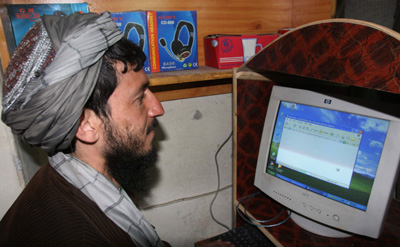
Using new Internet filters, Afghanistan blocks news site
Until recently, Afghanistan’s Internet has been notably free of government censorship. That stems largely from the limited impact and visibility of the Net domestically: The Taliban banned the Internet during its rule, and despite a recent boom in use, the nation has only a million users out of a population of about 29 million. But…
Murder, ‘suicide,’ crossfire: A week of journalist killings
Today we will report another murder of a journalist. This one was in Argentina. The last one we documented was a couple days ago–Alberto Graves Chakussanga was shot in the back in Angola. These tragedies are part of our daily work at CPJ, but this week was different. There have been eight killings of journalists…
Afghan media push bill to ensure access to information
When we report on Afghanistan, it’s often about something horrific—a deadly explosion, a murder, a kidnapping. But when you ask many Afghan journalists about the biggest challenge they face daily, it’s not danger or harassment that they cite. Although Article 50 of the Afghanistan Constitution guarantees access to public information, journalists say that obtaining such…
On Pakistan’s frontier, home is often the cost of reporting
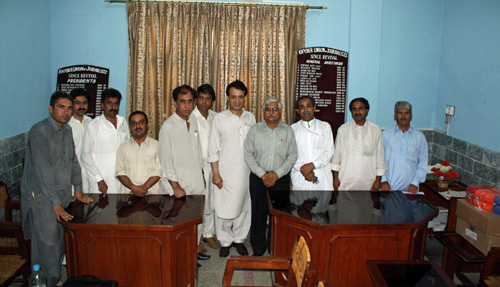
In an alert on Monday, we reported on an attack that left at least six women and children seriously injured at the home of local television journalist Zafarullah Bonari along the Pakistan-Afghanistan border. A group of unidentified attackers threw grenades and opened fire on Bonari’s house. The information was scant when we first heard about…
Moby Media executive urges global support for Afghan press
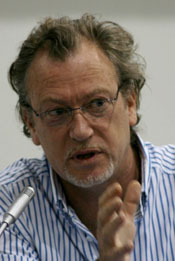
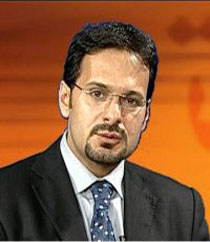
Mujahid Kakar, head of news and current affairs for Afghanistan’s Moby Media Group, was at the United Nations on Monday to give a speech on World Press Freedom Day. He stopped by CPJ’s office afterward, and we talked for more than an hour about journalism in Afghanistan. Kakar, left, whose oversight includes the influential Tolo…
In Afghanistan, at least 3 journalists still held captive
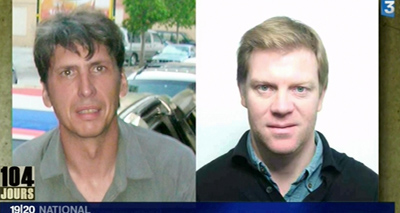
On Wednesday, I posted an item about the dangers to journalists in Pakistan, reminding readers that at least two reporters–Canadian freelancer Beverley Giesbrecht, who goes by the name Khadija Abdul Qahaar, and British journalist Asad Qureshi–are being held captive somewhere along the border with Afghanistan. I later received a few e-mail messages reminding me that…