Many journalists in exile have to leave the profession. This one saved a local Canadian newspaper
When reporters flee their home countries, many are forced to leave the profession after finding few opportunities in journalism and facing other pressures in exile. CPJ recently spoke with a Pakistani refugee reporter who not only stayed in journalism, but saved a local newspaper in his adopted country, Canada. In 2002, Mohsin Abbas was a…
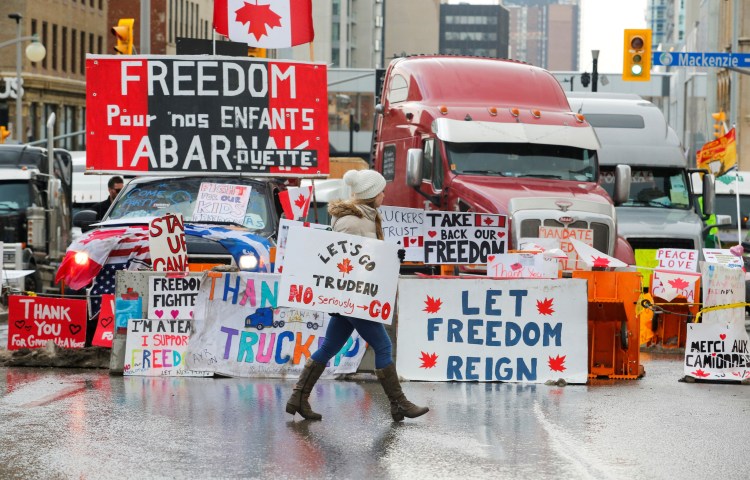
Threats, attacks, and insults: Canadian reporters on covering vaccine mandate protests
“Fake news.” “Go home.” “You’re the virus.” These are just a few of the insults that protesters have hurled at Evan Solomon, a reporter at national Canadian broadcaster CTV, and his colleagues as they have covered demonstrations against COVID-19 restrictions in Ottawa. The protests – which began in Canada’s capital in late January to counter…
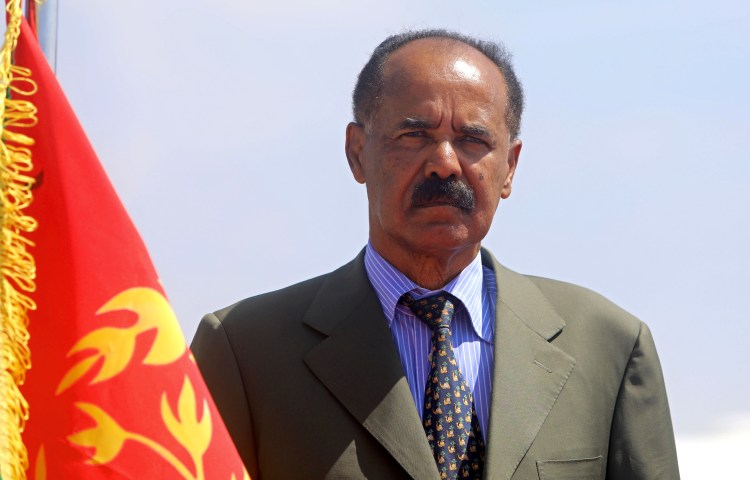
CPJ joins call for Canada to impose targeted sanctions on Eritrean officials
The Committee to Protect Journalists yesterday joined 15 other rights organizations, journalists, and human rights experts in a statement calling on the government of Canada to impose targeted sanctions on senior Eritrean officials for human rights abuses, including the 20-year imprisonment of newspaper editor Dawit Isaac and other journalists. “After two decades, the devastating mistreatment…
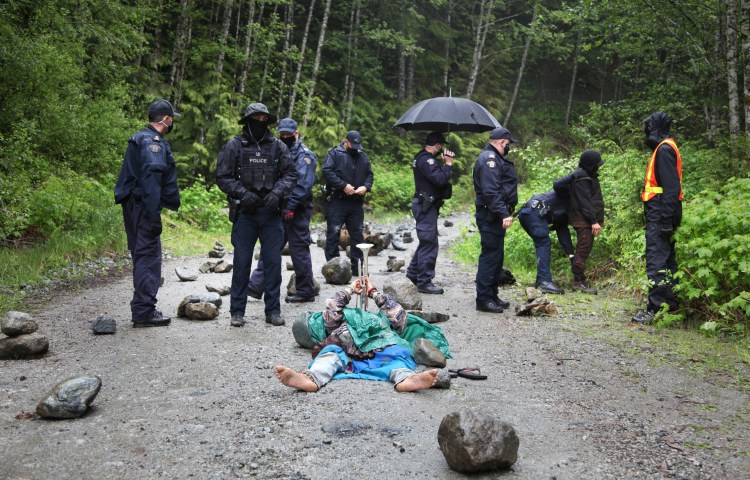
‘Like an open-air cage’: Police restrict reporters’ access to Canadian anti-logging protests
As demonstrators in the Canadian province of British Columbia protest the logging of one of the province’s last old-growth forests, located in the Fairy Creek watershed on Pacheedaht First Nations territory on Vancouver Island, journalists have been impeded from covering the story. Since May 17, the Royal Canadian Mounted Police have enforced an injunction — approved by…
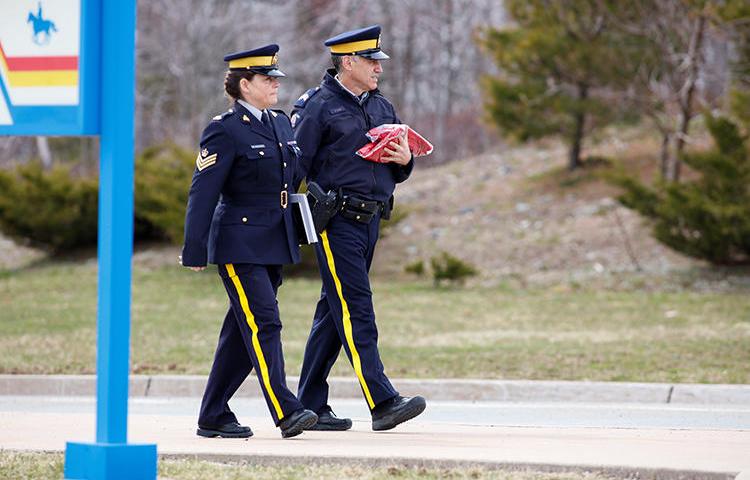
Halifax Examiner’s Tim Bousquet on covering a mass shooting in a pandemic
When news broke that a gunman had killed at least 22 people in Nova Scotia on April 18 and 19, the Halifax Examiner, a small independent local news website, began piecing together how the deadliest mass shooting in Canada’s history had occurred.

CPJ welcomes call for targeted sanctions to protect journalists
When the U.K. launched an initiative to support media freedom in the waning days of Jeremy Hunt’s tenure as foreign minister, CPJ was skeptical that this government-led effort would be more than a feel-good campaign. However, we chose to engage, given the current vacuum of leadership on press freedom globally. As the U.S. pulls back…

Legal threats prompt journalists to take creative approaches to investigative stories
When BuzzFeed News reporters Jane Bradley and Katie J.M. Baker began investigating claims of sexual misconduct by self-help guru Tony Robbins in early 2018, they did what any journalist would do, and reached out to people who might know about the allegations.

Why newsrooms need a solution to end online harassment of reporters
Stef Schrader was on vacation in Germany last year when spam messages started to flood her inbox. Seeing random emails from Macy’s—and job alerts for the position of “Chief Idiot”—she realized someone had signed her work email up to dozens of email lists.

Why going solo is a risk for female reporters in the US and Canada
In June 2016, an attacker was terrorizing women on a jogging path in Edmonton, Canada. A video journalist at a large Canadian broadcaster was assigned to cover the story on the night shift. Multiple sexual assaults had been reported and the man was still at-large.