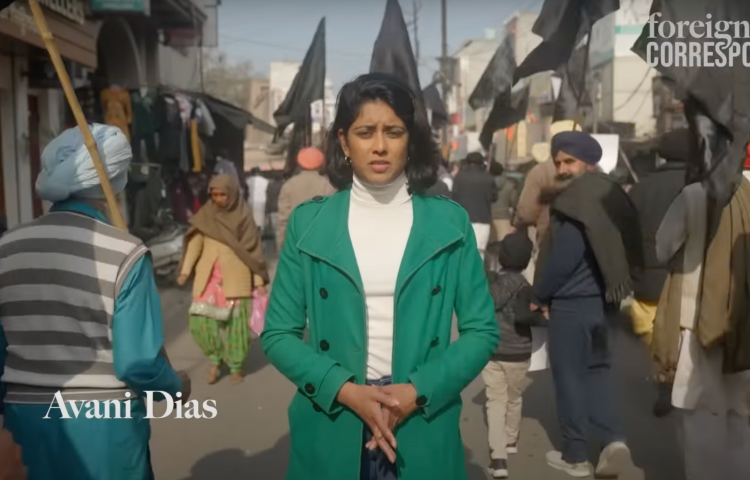
Australian journalist Avani Dias leaves India over visa delay, censorship
New Delhi, April 23, 2024—Indian authorities should safeguard press freedom and stop using visa regulations to prevent foreign journalists covering sensitive subjects, the Committee to Protect Journalists said Tuesday. Avani Dias, South Asia bureau chief for the Australian Broadcasting Corporation (ABC), left India on April 19, the first day of India’s election, after being told…

Indian journalists’ 2024 election concerns: political violence, trolling, device hacking
As the scorching summer peaks this year, India’s political landscape is coming to a boil. From April 19 until June 1, the world’s biggest democracy will hold the world’s biggest election, which the Hindu nationalist Bharatiya Janata Party (BJP) of Prime Minister Narendra Modi, who has been in power since 2014, is expected to win….
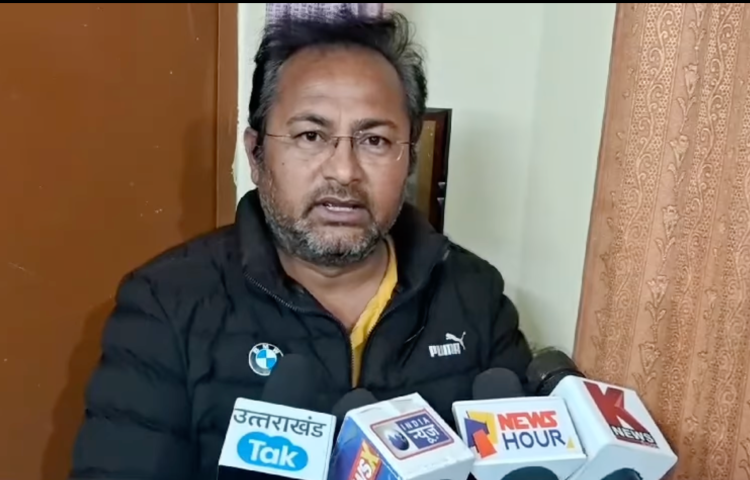
Indian journalist Ashutosh Negi arrested for reporting on murder investigation
New Delhi, March 14, 2024—Indian authorities must drop the charges against journalist Ashutosh Negi, who was arrested in connection with his reporting on a murder investigation in the northern state of Uttarakhand, the Committee to Protect Journalists said Thursday. Negi, editor of the weekly Hindi newspaper Jago Uttarakhand, was arrested on March 5 from his…
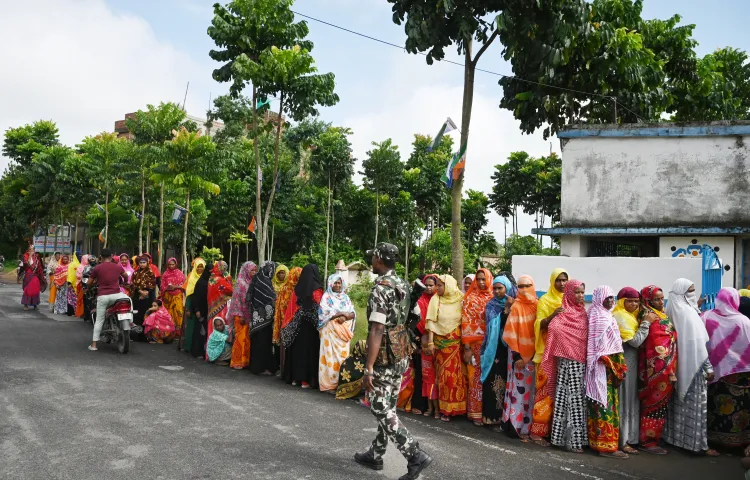
India elections 2024: Journalist safety guide
In 2024, the ruling Bharatiya Janata Party (BJP) is seeking re-election for a third consecutive five-year term. The upcoming general elections in April 2024 will see India’s vast electorate, consisting of over 600 million people, exercising their right to vote. CPJ’s Emergencies Response Team (ERT) has compiled a safety guide for journalists covering India’s election….
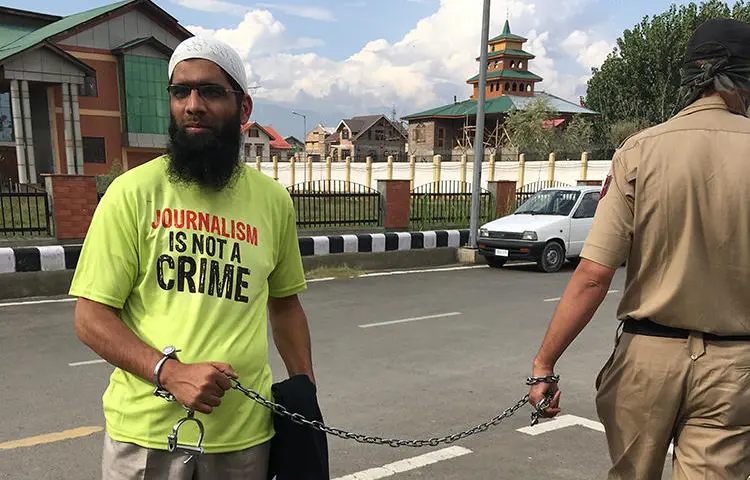
Kashmiri journalist Aasif Sultan re-arrested hours after arriving home from jail
New York, March 4, 2024—The Committee to Protect Journalists on Monday expressed alarm over the re-arrest of Kashmiri journalist Aasif Sultan two days after he was freed from more than five years of arbitrary detention and called on Indian authorities to immediately cease harassing him in retaliation for his work. On February 27, Sultan was…
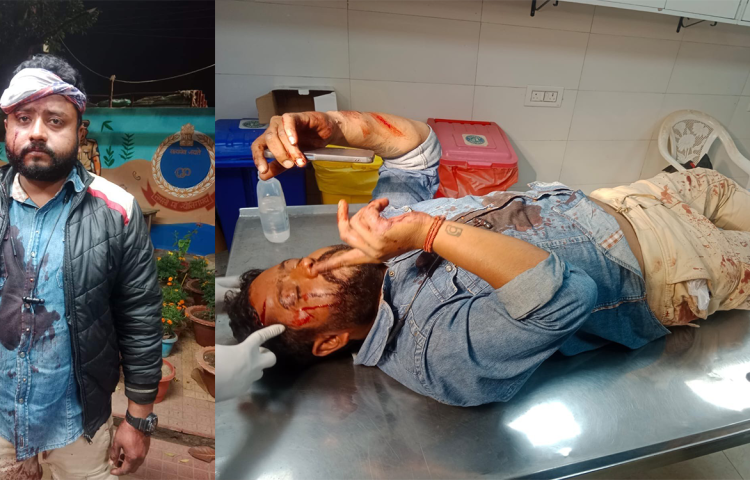
Indian journalist Jyotiranjan Mohapatra attacked with sword in Bhubaneswar
New Delhi, February 23, 2024—The Committee to Protect Journalists on Friday called upon the authorities in the eastern Indian state of Odisha to prosecute those responsible for the assault on Jyotiranjan Mohapatra, a reporter with privately owned news broadcaster Bada Khabar TV. At around 11 p.m. on February 10, four unidentified individuals on two motorcycles…
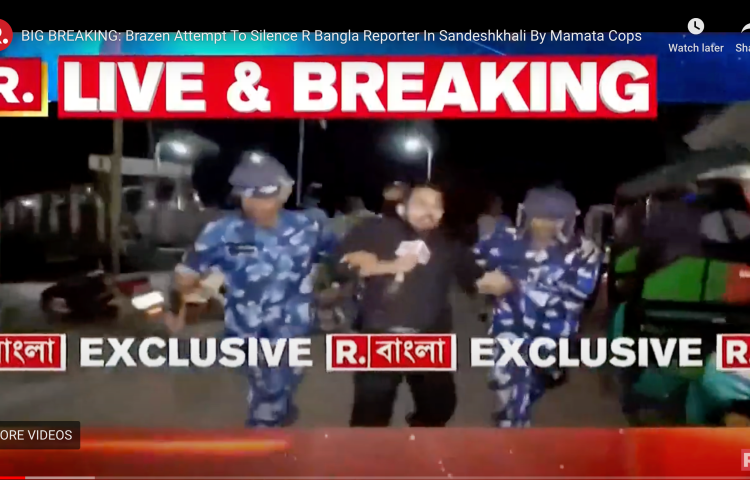
Indian journalist Santu Pan arrested, 3 others assaulted in West Bengal violence
New Delhi, February 21, 2024—Indian authorities must drop the charges against journalist Santu Pan, who was arrested live on air while reporting on allegations of abuse by West Bengal officials, and investigate the earlier assault of three journalists reporting on clashes related to one of those officials, the Committee to Protect Journalists said on Thursday….

French journalist Vanessa Dougnac leaves India after journalism permit revoked
New York, February 16, 2024—The Committee to Protect Journalists urges Indian authorities to immediately reinstate French reporter Vanessa Dougnac’s journalism permit and cease using legal technicalities to prevent journalists from carrying out their duties. Indian authorities compelled Dougnac, a former South Asia correspondent for multiple international news organizations who is married to an Indian citizen,…

Indian journalist Rejaz M Sheeba Sydeek faces criminal investigation for report on anti-Muslim bias
New York, November 29, 2023—Indian authorities must drop all investigations into freelance journalist Rejaz M Sheeba Sydeek over his reporting on allegations of anti-Muslim bias in the police force, return his mobile phone, and cease the harassment of his colleagues at Maktoob Media news website, the Committee to Protect Journalists said Wednesday. On October 31,…
Faces of impunity across the world
CPJ’s 2023 Global Impunity Index lists the top 12 countries where the murderers of journalists go free. But impunity knows no borders. The mosaic below shows the faces of slain journalists around the world. Beneath each journalist’s photo is the location of their death. Click the images for more details about these unsolved cases. (Photo grid by Geoff McGhee)