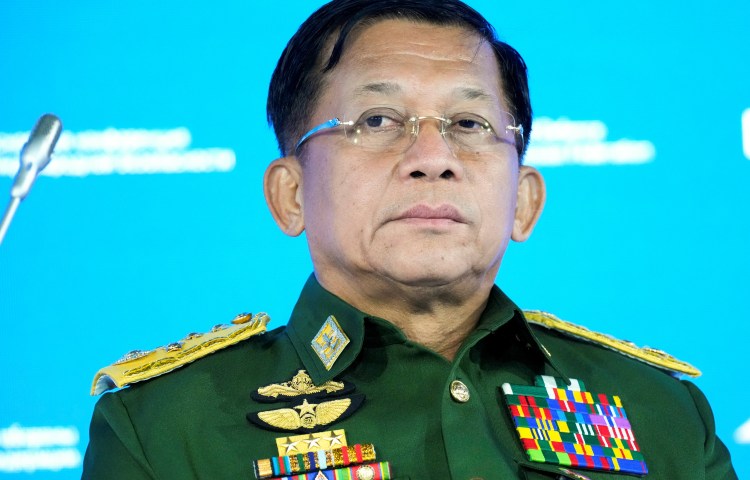
Myanmar junta revokes licenses of 3 media outlets in martial law clampdown
Bangkok, April 30, 2026—Myanmar’s junta must restore the recently revoked publication licenses of three local news agencies — the Khonumthung Media Group, Chin World, and Myatmaukkhit News Agency — and cease its persecution of independent media groups, the Committee to Protect Journalists said Thursday. The military bans, effective on April 9 and formally announced on…

Myanmar junta denies journalist Sai Zaw Thaike medical care, adding to pattern of prison abuse
Bangkok, April 27, 2026—The Committee to Protect Journalists calls on Myanmar’s military junta to immediately provide journalist Sai Zaw Thaike with adequate medical care after sources at Insein Prison in the country’s largest city Yangon said authorities have refused him treatment for grave health conditions. Sai Zaw Thaike, a photojournalist with the independent Myanmar Now…
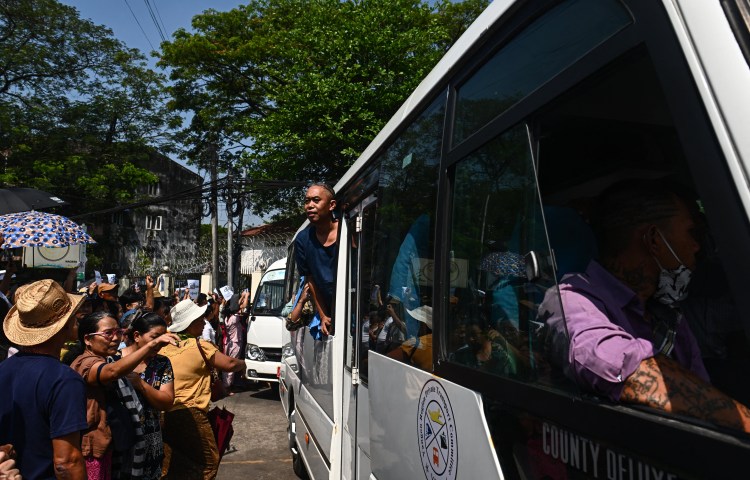
At least 4 Myanmar journalists jailed on terrorism charges released in amnesty
Editor’s Note: Following publication of this alert, CPJ learned that Thura Aung, a reporter with The People’s Voice, and Maung Maung Myo, a journalist with Mekong News Agency, were also released in the amnesty on March 3 and March 11, respectively. Singapore, March 4, 2026—The Committee to Protect Journalists welcomes the release in recent days…
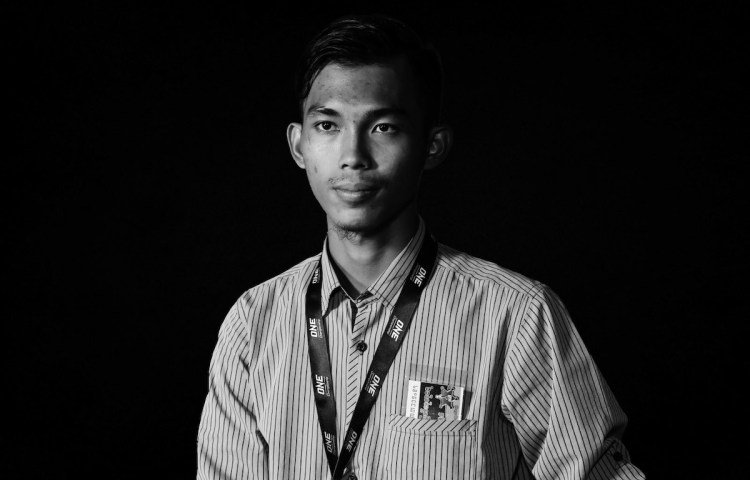
Myanmar journalist Myat Thu Kyaw seriously injured in alleged prison assault
Bangkok, January 28, 2026—The Committee to Protect Journalists strongly condemns the alleged physical abuse of imprisoned Myanmar journalist Myat Thu Kyaw at Yangon’s Insein Prison and calls on authorities to immediately release him on humanitarian grounds. Prison authorities orchestrated an assault on Myat Thu Kyaw and three other political prisoners using members of an incarcerated…

Myanmar journalist Sut Ring Pan serving 13 years in prison on incitement, terrorism charges
Bangkok, December 16, 2025—Myanmar authorities must immediately and unconditionally release freelance journalist Sut Ring Pan, who is serving a combined 13-year prison sentence on incitement and terrorism charges, and stop using vague and overbroad laws to imprison journalists, the Committee to Protect Journalists said Tuesday. On December 2, Yangon’s Western District Court convicted and sentenced…
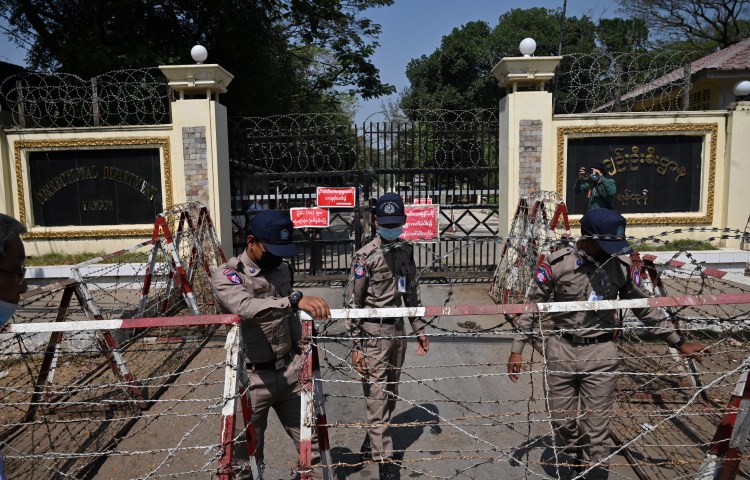
Human Rights Day 2025: CPJ calls on Asian governments to free imprisoned journalists
December 8, 2025—The Committee to Protect Journalists has written to heads of government across Asia ahead of International Human Rights Day on December 10, urging them to immediately free reporters imprisoned for their work. As of December 1, Asia holds at least 106 journalists behind bars, with China (50), Myanmar (27), and Vietnam (16) the…
Myanmar releases 6 journalists in pre-election amnesty
Bangkok, December 4, 2025—The Committee to Protect Journalists welcomes the recent release of six journalists in Myanmar as part of a pre-election amnesty of more than 3,800 political prisoners, but urges junta authorities to free all remaining jailed members of the press. Those freed are Zaw Linn Htut (Phoe Thar), Htet Htet Khine, Nay Naw, Nyein Chan Wai, Aung San Lin, and Sithu…
Myanmar junta hits AAMIJ News with election law charges, holds journalist in prison
Bangkok, November 12, 2025—Myanmar authorities must immediately drop charges against AAMIJ News, release its freelance contributor Myat Thu Kyaw, who has been in prison since January 2023, and stop harassing independent media covering election-related news, the Committee to Protect Journalists said Wednesday. On November 10, Myanmar’s military government filed charges against exile-run AAMIJ News for…

Myanmar rebels abduct Border News Agency reporter Mu Dra
Bangkok, September 23, 2025—Myanmar’s Arakan Army must account for and immediately release local Border News Agency reporter Mu Dra, who was abducted by the rebel group’s forces on September 20, the Committee to Protect Journalists said Tuesday. “All combatants in Myanmar’s civil war have a responsibility to protect and not target journalists in retaliation for…
CPJ, Southeast Asian lawmakers call on ASEAN to protect journalists, media freedom
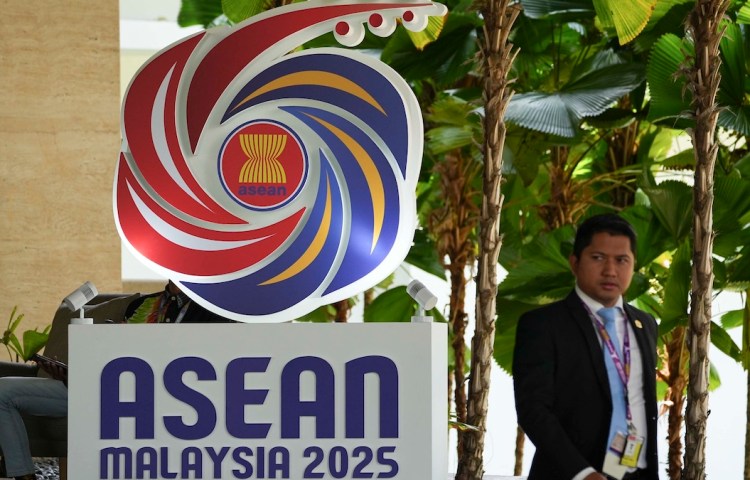
The Committee to Protect Journalists and a group of Southeast Asian lawmakers have called for the “active engagement” of the regional bloc ASEAN in protecting press freedom and the formation of an inter-parliamentary alliance to safeguard media rights in the region, which includes some of the worst offenders of press freedom. As governments escalate efforts…