Afghanistan
2010
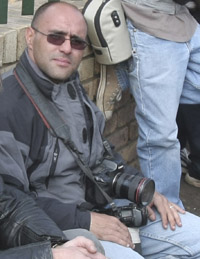
How to support injured photojournalist Joao Silva
New York Times photojournalist Joao Silva lost both his legs when he stepped on an anti-personnel mine in Afghanistan on October 23. “Those of you who know João will not be surprised to learn that throughout this ordeal he continued to shoot pictures,” wrote New York Times Executive Editor Bill Keller in a memo to…
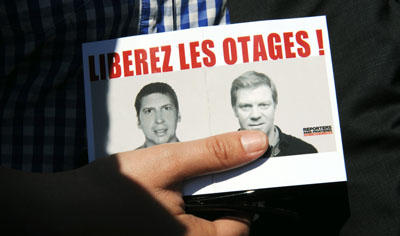
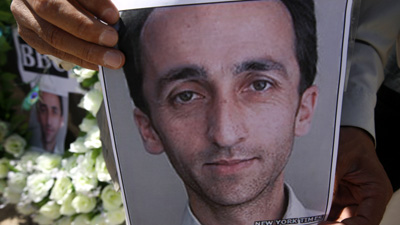
As with Norgrove, a need to probe Munadi death
This morning, Prime Minister David Cameron announced that British aid worker Linda Norgrove, who died in a rescue attempt after she was taken hostage in Afghanistan, may have been killed by a U.S. grenade rather than by her Taliban captors, as originally reported.
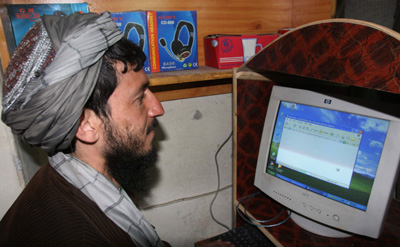
Using new Internet filters, Afghanistan blocks news site
Until recently, Afghanistan’s Internet has been notably free of government censorship. That stems largely from the limited impact and visibility of the Net domestically: The Taliban banned the Internet during its rule, and despite a recent boom in use, the nation has only a million users out of a population of about 29 million. But…
Murder, ‘suicide,’ crossfire: A week of journalist killings
Today we will report another murder of a journalist. This one was in Argentina. The last one we documented was a couple days ago–Alberto Graves Chakussanga was shot in the back in Angola. These tragedies are part of our daily work at CPJ, but this week was different. There have been eight killings of journalists…
TV anchor stabbed to death outside his Kabul home
New York, September 7, 2010–A well-known TV anchor was found stabbed to death outside his home in Kabul on Sunday, according to international news reports. Sayed Hamid Noori worked for the state network Radio Television Afghanistan and was active in the National Union of Afghan Journalists. In 2004, he served as the spokesman for an opponent…