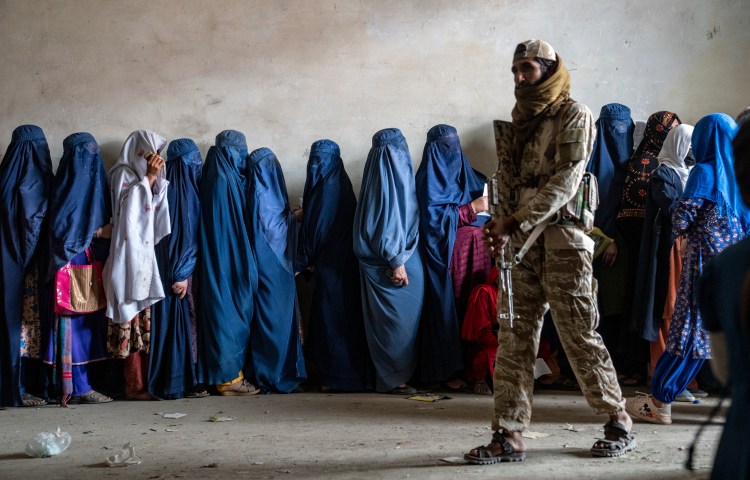
Taliban detain 3 Afghan radio journalists for playing music, talking to female callers
New York, April 25, 2023—Taliban authorities should immediately and unconditionally release radio reporters Ismail Saadat, Wahidullah Masum, and Ehsanullah Tasal and stop harassing the press for their work, the Committee to Protect Journalists said Thursday. On Monday, the provincial directorate of the Taliban-controlled Ministry for the Promotion of Virtue and Prevention of Vice in eastern…
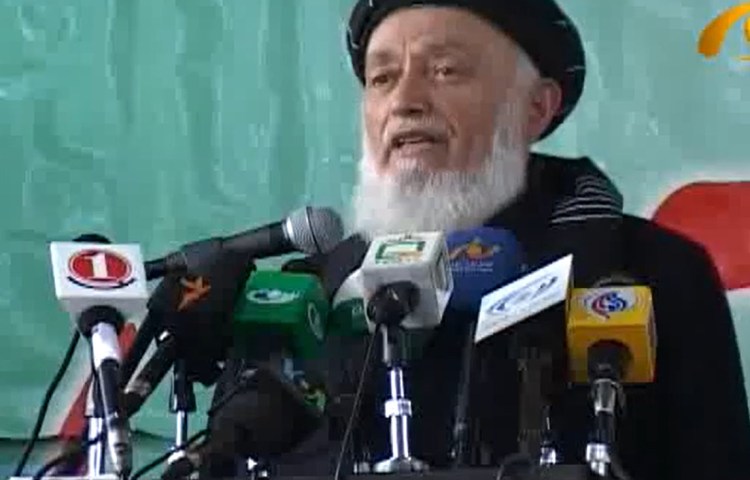
Taliban shuts down broadcasters Noor and Barya, seals Noor offices
New York, April 18, 2024—The Taliban must cease their relentless suppression of independent media in Afghanistan and allow private broadcasters Noor TV and Barya TV to resume operations, the Committee to Protect Journalists said Thursday. On Tuesday, the Media Complaints and Rights Violations Commission banned the two broadcasters for violating “national and Islamic values,” without…

CPJ calls on Taliban to drop plans to restrict Facebook access in Afghanistan
New York, April 8, 2024 – The Committee to Protect Journalists is alarmed by reports that the Taliban plans to restrict or block access to Facebook in Afghanistan and calls on authorities not to move ahead on a measure that would further impede the free flow of information in the country. On April 6, Najibullah Haqqani, the Taliban’s acting…
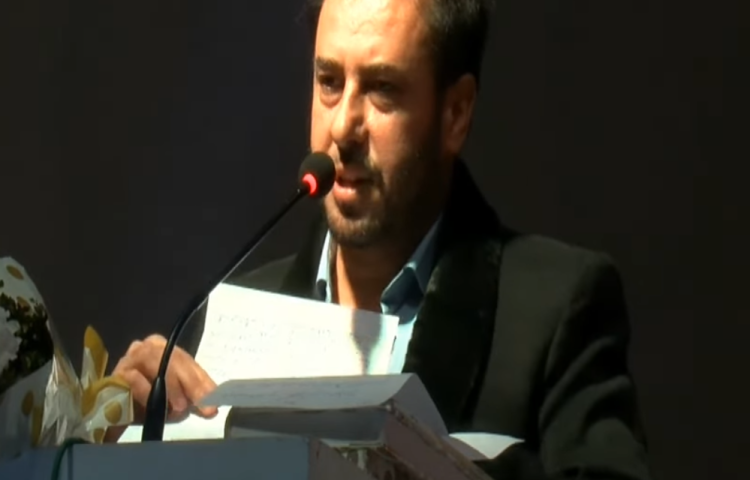
Exiled Afghan journalist Ahmad Hanayesh shot in Pakistan
New York, April 4, 2024—Pakistani authorities must promptly investigate Wednesday’s shooting of exiled Afghan journalist Ahmad Hanayesh by two gunmen on a motorcycle and bring the assailants to justice, the Committee to Protect Journalists said Thursday. Hanayesh, also known by his birth name Abdul Aleem Saqib, was returning home on the evening of April 3…
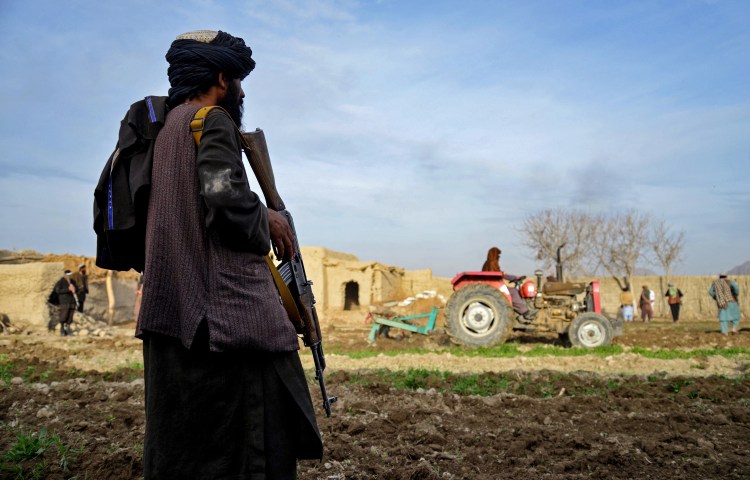
Taliban detains Ehsan Akbari, Afghan journalist with Japan’s Kyodo News
New York, January 22, 2024—Taliban authorities must immediately and unconditionally release Afghan journalist Ehsan Akbari and stop harassing and detaining members of the press for their work, the Committee to Protect Journalists said Monday. On January 17, the Taliban’s Government Media Information Center (GMIC) summoned Akbari, the assistant bureau chief of Japanese media outlet Kyodo…
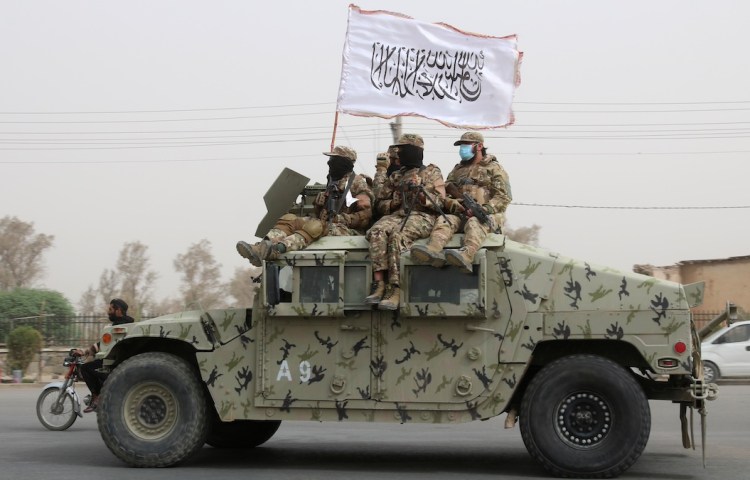
Afghan journalist Sultan Ali Jawadi sentenced to 1 year in prison
New York, December 13, 2023—Taliban authorities must immediately release Afghan journalist Sultan Ali Jawadi, drop all charges against him, and stop imprisoning members of the press for their work in Afghanistan, the Committee to Protect Journalists said Wednesday. On Sunday, December 10, a Taliban court in the city of Nili, in central Daikundi Province, sentenced…
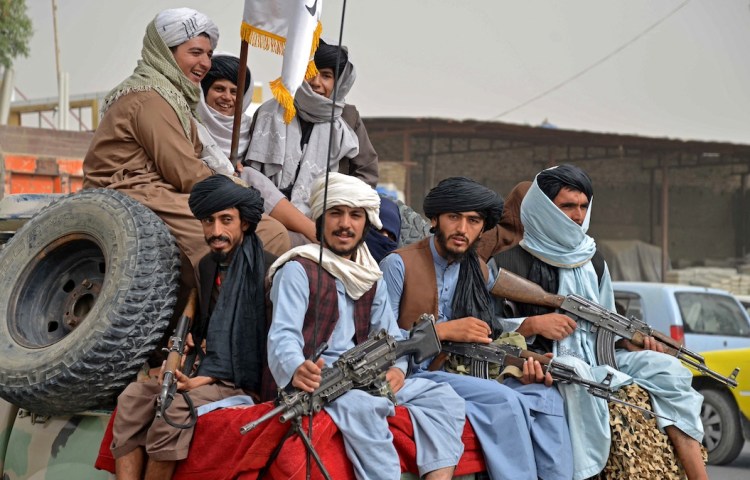
Taliban intelligence forces detain Afghan journalist Abdul Rahim Mohammadi
New York, December 12, 2023—The Taliban must immediately and unconditionally release journalist Abdul Rahim Mohammadi and stop detaining and intimidating members of the press in Afghanistan, the Committee to Protect Journalists said Tuesday. On December 4, Mohammadi, a reporter for the independent broadcaster Tamadon TV, responded to a summons by Taliban provincial intelligence officers in…
Faces of impunity across the world
CPJ’s 2023 Global Impunity Index lists the top 12 countries where the murderers of journalists go free. But impunity knows no borders. The mosaic below shows the faces of slain journalists around the world. Beneath each journalist’s photo is the location of their death. Click the images for more details about these unsolved cases. (Photo grid by Geoff McGhee)
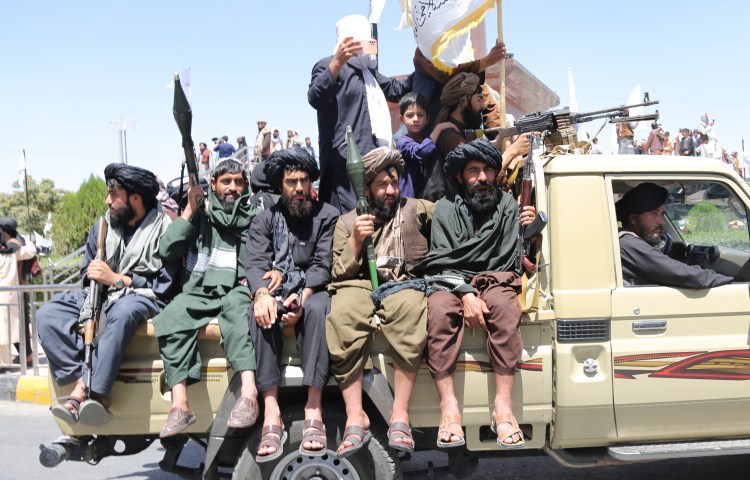
Taliban intelligence agents detain 3 Radio Nasim journalists
New York, October 9, 2023—Taliban authorities should immediately and unconditionally release journalists Sultan Ali Jawadi, Saifullah Rezaei, and Mojtaba Qasemi and cease harassing the press in Afghanistan, the Committee to Protect Journalists said Monday. On Saturday, three Taliban intelligence operatives took the independent Radio Nasim’s director, Jawadi, and two of its journalists, Rezaei and Qasemi,…
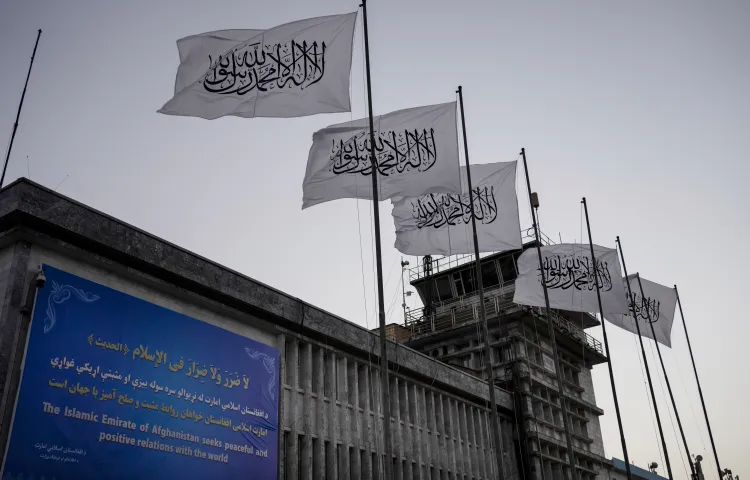
Taliban detains Iranian photojournalist Mohammad Hossein Velayati in Afghanistan
New York, August 22, 2023 — Taliban authorities should immediately and unconditionally release Iranian photojournalist Mohammad Hossein Velayati and cease harassing members of the press in Afghanistan, the Committee to Protect Journalists said Tuesday. On August 19, Taliban authorities detained Velayati, a photographer for Iran’s semi-official Tasnim News Agency, at Kabul International Airport before he…