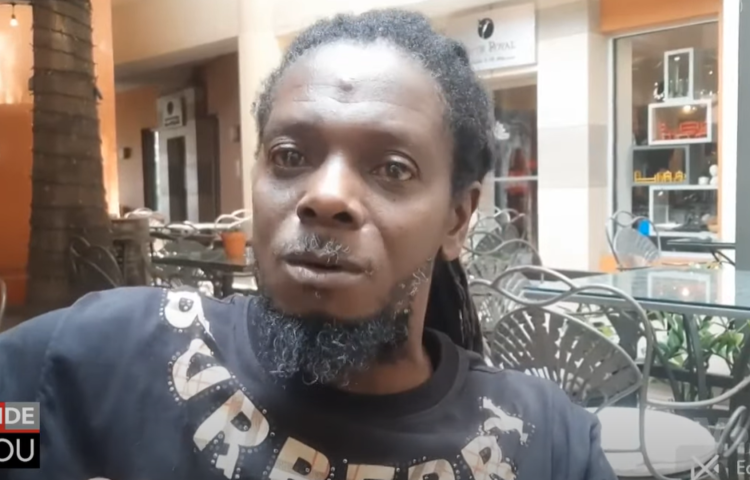
Haitian journalist, YouTuber kidnapped by gang members, released
Local journalist Sean Roubens was kidnapped on March 14, 2024, by a gang in Haiti’s capital city of Port-au-Prince and held for 17 days before being released unharmed on March 30. Roubens, 42, is a veteran fixer, assisting foreign journalists and social media personalities seeking to report on Haiti’s gang violence. At the time of…
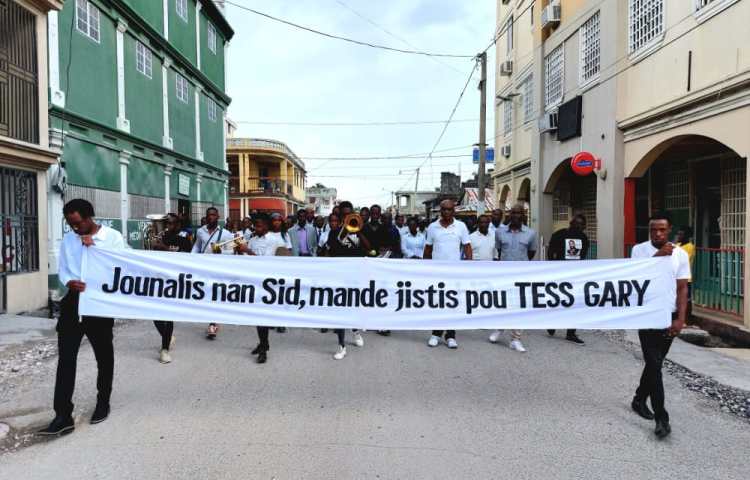
‘Powerful enemies’: Did a prosecutor order the murder of Haitian journalist Garry Tesse?
Haitian journalist Garry Tesse was on his way to work at a local radio station in the southern city of Les Cayes when he disappeared shortly after exiting a taxi. His naked and disfigured corpse was found six days later face down on the seashore close to downtown. One of his eyes was gouged out,…
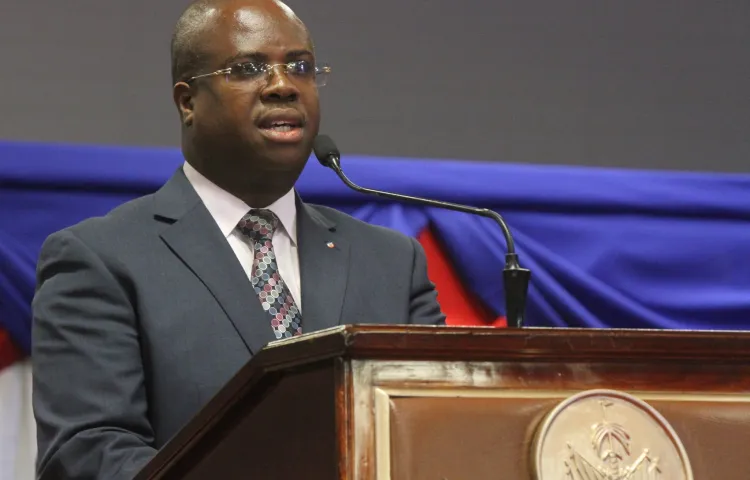
Haitian journalist Lucien Jura kidnapped as violence escalates in capital
Editor’s note: Since the publication of this report, Lucien Jura was released by kidnappers, his brother Erick Jura told CPJ on Thursday. Miami, March 20, 2024—The kidnappers of journalist Lucien Jura should release him immediately and not hold journalists as pawns, the Committee to Protect Journalists said Wednesday. Jura was abducted from his home in…
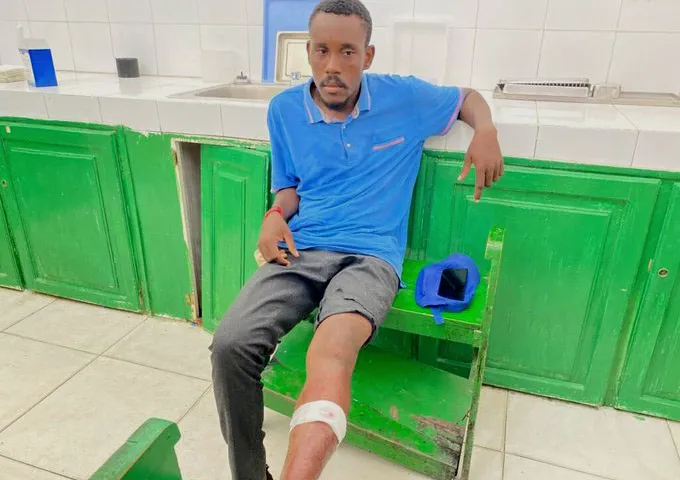
At least 5 journalists injured during anti-government protests in Haiti
Miami, February 9, 2024—Haitian authorities should investigate the recent injuries of at least five journalists who were covering anti-government protests and ensure that the media can cover matters of public interest without fear of injury, the Committee to Protect Journalists said on Friday. On Thursday, freelance journalist Jean Marc Jean was struck in the face…
‘I’ll be killed if they find me’: Radio reporter Maxo Dorvil flees Haiti amid gang violence
Haitian radio journalist Maxo Dorvil fled the country on November 7, 2023, after reporting that he was shot at twice in less than two weeks near his home on the outskirts of the capital Port-au-Prince. The 44-year-old journalist with the independent broadcaster Radio Télé Zip said he was shot at by two armed men on…
In Haiti, murders of journalists go unpunished amid instability and gang violence
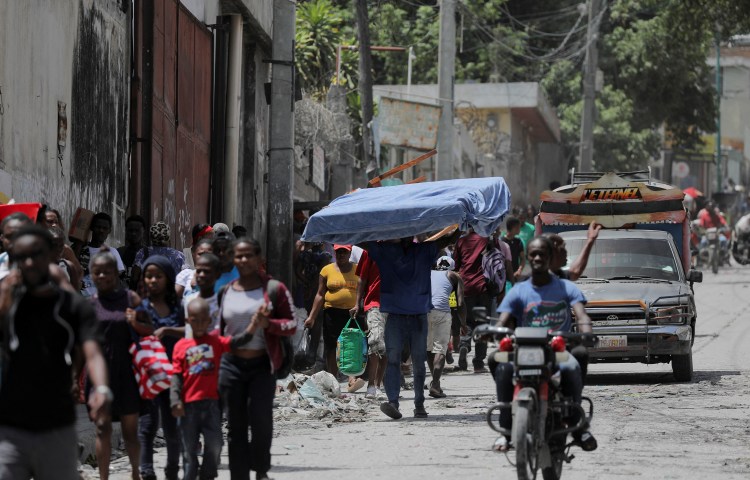
Dumesky Kersaint never flinched when it came to investigating violence in his gang-controlled suburb of Haiti’s capital, Port-au-Prince. On the morning of April 16, the 31-year-old radio reporter left before dawn to cover a previous night’s shooting near his home in Carrefour-Feuilles. He never came back. Several hours after setting out, Kersaint’s body was found…
Faces of impunity across the world
CPJ’s 2023 Global Impunity Index lists the top 12 countries where the murderers of journalists go free. But impunity knows no borders. The mosaic below shows the faces of slain journalists around the world. Beneath each journalist’s photo is the location of their death. Click the images for more details about these unsolved cases. (Photo grid by Geoff McGhee)
Haiti joins list of countries where killers of journalists most likely to go unpunished
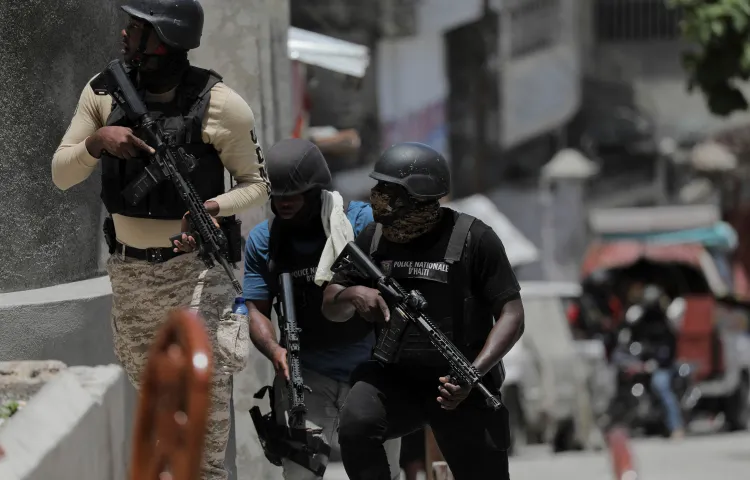
By Arlene Getz/CPJ Editorial Director The persistent lack of justice for murdered reporters is a major threat to press freedom. Ten years after the United Nations declared an international day to end impunity for crimes against journalists – and more than 30 years after CPJ began documenting these killings – almost 80% of their killings…
Journalist kidnappings rise in Haiti as violence spikes
At least six journalists have been kidnapped and released in Haiti over the past eight months as gangs have grown in strength since the 2021 assassination of President Jovenel Moïse, with the groups forming alliances and calling for the armed overthrow of the government. Since February, CPJ has documented the murder of one journalist, several reporters forced to flee their…
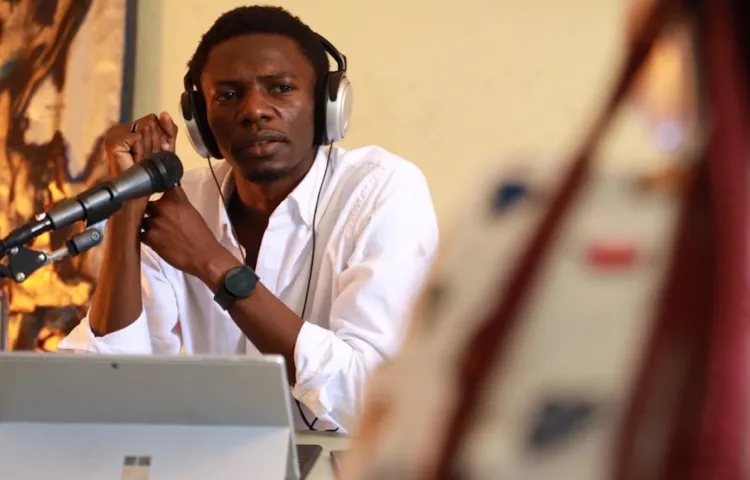
Haitian rum manufacturer sues AyiboPost, editor-in-chief for criminal defamation
Miami, October 6, 2023—The Committee to Protect Journalists is concerned about the criminal defamation suit filed by the owner of the rum company Rhum Barbancourt against the independent news website AyiboPost and its editor-in-chief, Widlore Mérancourt, and calls on Haitian authorities to repeal the country’s punitive criminal defamation laws, the organization said Friday. On September…