Brazil
2012
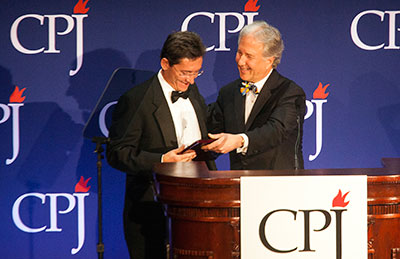
Brazilian journalist König in hiding after threats
New York, December 18, 2012–Brazilian authorities must immediately provide protection to journalist Mauri König, who went into hiding on Monday after receiving death threats related to his reports on police corruption, the Committee to Protect Journalists said today.
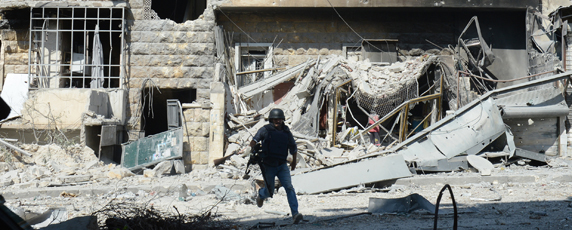

Journalists still murdered where impunity reigns
Almost half of the 67 journalists killed worldwide in 2012 were targeted and murdered for their work, research by the Committee to Protect Journalists shows. The vast majority covered politics. Many also reported on war, human rights, and crime. In almost half of these cases, political groups are the suspected source of fire. There has…

Brazil murders reflect tough reporting, lack of justice
There are many complex reasons why Brazil has become a dangerous place to practice journalism. I will cite two possible explanations for the increase in deaths of journalists in the country, where seven journalists have been confirmed killed for the work over the past two years. First, the press is producing more investigative reports on…

Speak Justice campaign fights impunity in press murders
The tortured and decapitated body of 39-year-old María Elizabeth Macías Castro was found on a Saturday evening in September 2011. It had been dumped by the side of a road in Nuevo Laredo, a Mexican border town ravaged by the war on drugs. Macías, a freelance journalist, wrote about organized crime on social media under…
Brazilian journalist killed in Campo Grande
New York, November 26, 2012–The Committee to Protect Journalists today condemned the murder of Brazilian journalist Eduardo Carvalho in Campo Grande, the capital of Mato Grosso do Sul state, which borders Paraguay and Bolivia. Carvalho was the editor and owner of news website Última Hora News, which frequently denounced local corruption, according to news reports.

Awardees say indignation trumps intimidation
The battle for a free press sometimes feels like a war between indignation and intimidation. Journalists learn of abuses of power, crime, or corruption, and–indignant–they speak out. In response, the perpetrators of those abuses–be they government officials or criminals–try to intimidate the journalists into silence with threats, lawsuits, jail, or even murder. Last night, the…

Will UN plan address impunity, security for journalists?
Here are the facts:A journalist is killed in the line of duty somewhere around the world once every eight days.Nearly three out of four are targeted for murder. The rest are killed in the crossfire of combat, or on dangerous assignments such as street protests.Local journalists constitute the large majority of victims in all groups.The…
Honoring tenacity and courage
New York, November 13, 2012– Four fearless journalists from Brazil, China, Kyrgyzstan and Liberia who risked their lives and liberty to expose wrongdoings will be awarded the Committee to Protect Journalists’ 2012 International Press Freedom Awards, an annual recognition of courageous reporting. Harassed, tortured, threatened and imprisoned for their critical investigations, the awardees have endured…

Bossa Nova’s home and Olympics host is risky for press
The jagged mountains ringing Rio de Janeiro descend to a temperate valley with two storied beaches on the Atlantic. Here is the city that gave the world a new, eclectic musical beat with the Bossa Nova, the South American jewel that will host the summer Olympic Games in 2016. Yet Rio has also been the…