Togo
2010
Togo bans paper over story on president’s half-brother
New York, August 26, 2010–The Committee to Protect Journalists condemns Wednesday’s ruling by a criminal court judge in Togo to indefinitely ban the distribution of a Benin newspaper that had raised questions about the alleged involvement of a half-brother of President Faure Gnassingbé in drug trafficking.
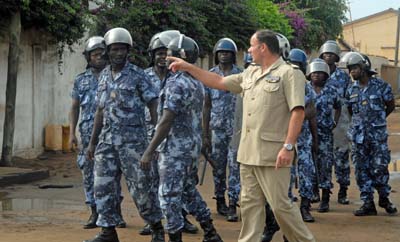
French officer proves ‘allergic’ to photos in Togo
It has been a week since Togolese photojournalist Komi Agbedivlo, better known as “Didier Ledoux,” was verbally abused by a military officer from France as he covered a political demonstration in the capital, Lome. The incident might have gone unnoticed, if not for social media and a year charged with historical symbolism for Togo, which is celebrating 50 years of independence from France. So the…
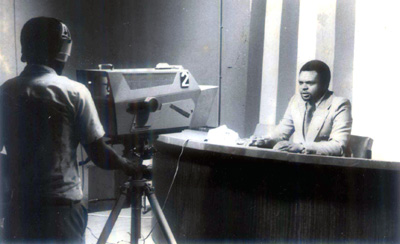
Togo’s press suffers malaise 50 years after independence
In the year marking the 50th anniversary of Togo’s independence, the Togolese press is suffering from an obvious malaise—a malaise perceived by the informed citizen and not by communications professionals themselves. This malaise transpires in the daily practice of journalism through the lack of professionalism. If elsewhere the media is stifled under the heel of…
CPJ, African groups call for press freedom commitment
Your Excellencies: As you gather in Paris for festivities that celebrate your nations’ 50 years of independence, we, the undersigned African press freedom advocates petition for your public commitment to a free, vibrant, and self-sustaining press as a cornerstone of the development of francophone Africa in the next five decades.
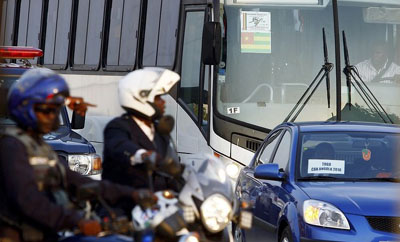
In Angola, censorship shrouds journalist’s killing
On January 8, while Angola was hosting the African Cup of Nations, the country made worldwide headlines after a deadly attack on the Togolese national soccer team, which left a coach and a journalist dead. With international attention turning to the story, a shroud of state censorship and self-censorship by the Angolan media obscured the…
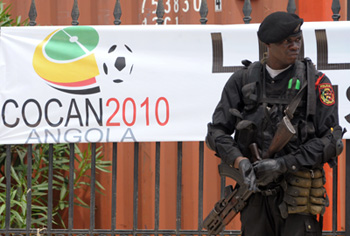
Togolese journalist killed in Angola attack
New York, January 11, 2010—The Committee to Protect Journalists called today on Angolan authorities to ensure the safety of sports journalists covering the African Nations Cup following the death of a Togolese sports journalist on Friday. Stanislas Ocloo was gunned down in the attack on Togo’s national soccer team’s bus in the northwestern Angolan enclave…