
Togo expels French journalist Thomas Dietrich, suspends foreign accreditations
Dakar, April 17, 2024—Togolese authorities must identify and hold accountable the law enforcement agents responsible for arresting and assaulting French journalist Thomas Dietrich and ensure both foreign and local journalists are able to freely report on political news, the Committee to Protect Journalists said on Wednesday. On Tuesday, a court in Togo’s capital Lomé sentenced…
Togolese authorities release journalist Apollinaire Mewenemesse with conditions
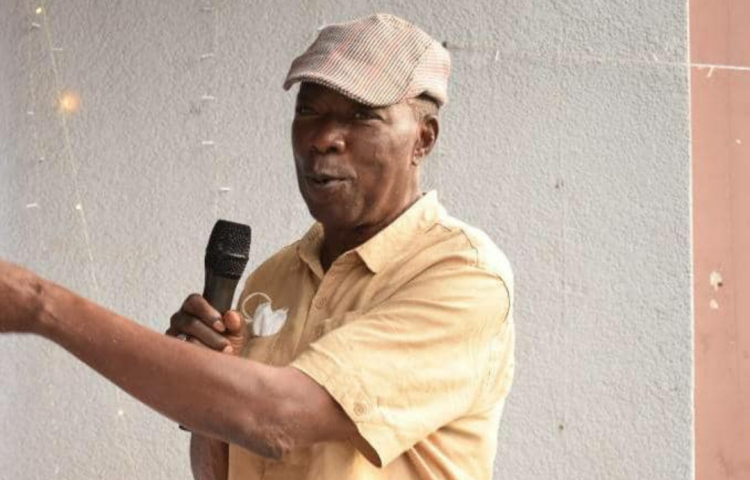
Dakar, April 10, 2024 — The Committee to Protect Journalists welcomes the release of journalist and La Dépêche publishing director Apollinaire Mewenemesse and calls for Togolese authorities to lift the conditions placed on his freedom, drop all charges against him, and cease criminalizing journalism. On April 9, a court in Lomé, Togo’s capital city, released…
Togo journalist Apollinaire Mewenemesse detained for defamation
Dakar, April 1, 2024—Togolese authorities must release journalist Apollinaire Mewenemesse, drop all legal proceedings against him, and reform the country’s laws to prevent journalists from being arrested for their work, the Committee to Protect Journalists said Monday. An investigating judge charged Mewenemesse, publishing director of the privately owned weekly newspaper La Dépêche, with numerous defamation,…
Togo suspends La Dépêche, calls Tampa Express publisher to court on defamation charge
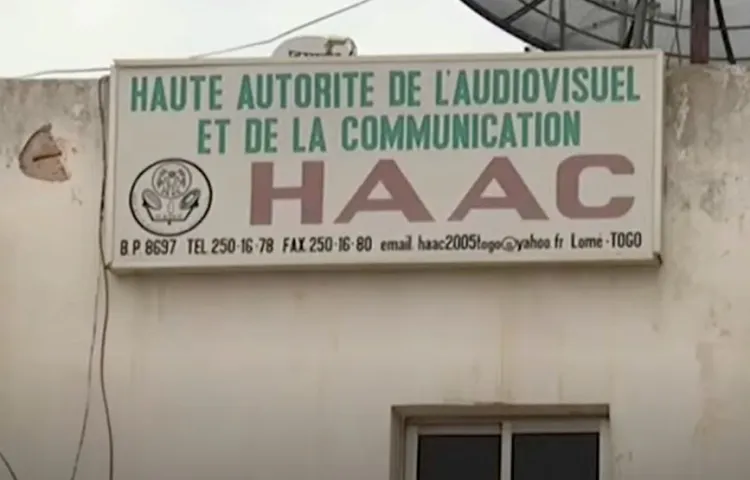
Dakar, March 15, 2024—Togolese authorities must end the legal harassment of the country’s Tampa Express newspaper and its publishing director Francisco Napo-Koura, reverse the three-month suspension of La Dépêche newspaper, and allow Togolese media to report freely and without fear of reprisal, the Committee to Protect Journalists said Friday. Napo-Koura is due to appear in…
Pegasus spyware used to target Togolese journalists Loïc Lawson and Anani Sossou
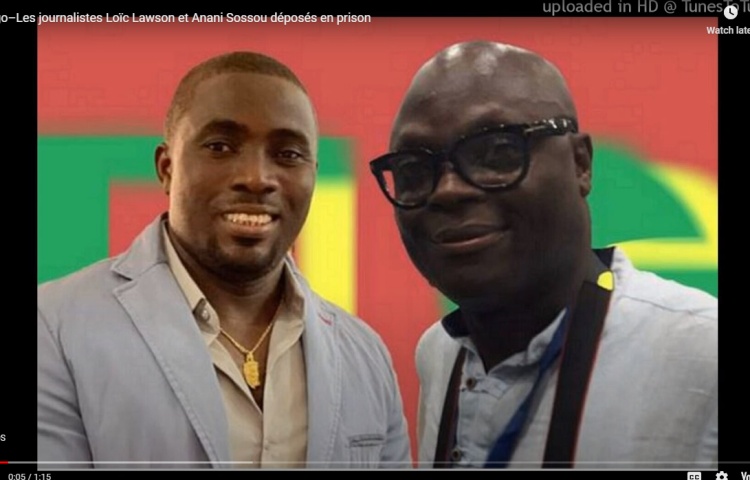
New York, January 23, 2024—The Committee to Protect Journalists is alarmed by findings that the phones of Togolese journalists Loïc Lawson and Anani Sossou were infected with Pegasus spyware in 2021, and repeats its calls for an immediate moratorium on the use of such surveillance technologies and for legal proceedings against the journalists to be…
Togolese journalists Loic Lawson and Anani Sossou jailed following minister’s complaint
New York, November 15, 2023 – Togolese authorities should immediately and unconditionally release journalists Loic Lawson and Anani Sossou, and reform the country’s laws and regulations to ensure journalism is not criminalized, the Committee to Protect Journalists said Wednesday. On Tuesday, November 14, an investigating judge at a Lomé court charged Lawson, publication director of…

Togolese authorities detain, threaten journalist Edouard Kamboissoa Samboe
New York, May 10, 2023—Togolese authorities should ensure that journalist Edouard Kamboissoa Samboe and all other members of the media can work without fear, and should drop any restrictions on Samboe’s work, the Committee to Protect Journalists said Wednesday. On the morning of April 30, Togolese soldiers arrested Samboe, the founder and owner of the…
Togolese journalists Ferdinand Ayité and Isidore Kouwonou sentenced to 3 years in prison
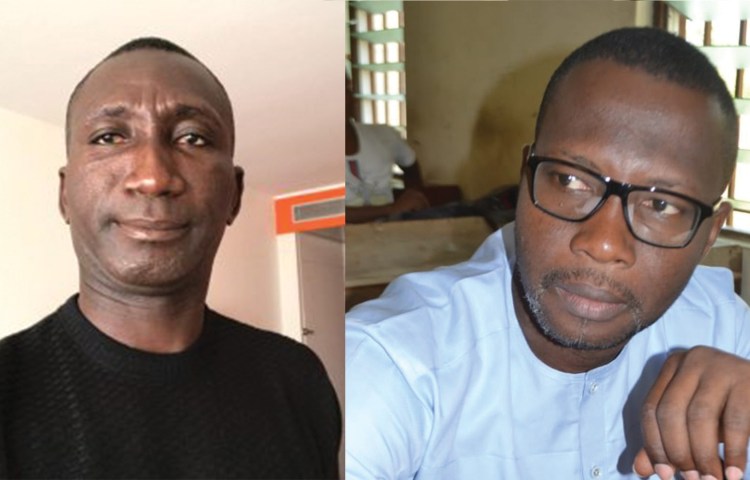
New York, March 17, 2023 — In response to news reports that a Togolese court on Wednesday sentenced journalists Ferdinand Ayité and Isidore Kouwonou to three years in prison for insulting authorities, the Committee to Protect Journalists released the following statement of condemnation: “Togolese authorities should not contest the appeals of L’Alternative publisher Ferdinand Ayité…
Togo journalists Ferdinand Ayité and Isidore Kouwonou summoned over insult, false news allegations
Accra, March 6, 2023–Togolese authorities should drop all legal proceedings against journalists Ferdinand Ayité and Isidore Kouwonou and allow them to work free from harassment or threat of arrest, the Committee to Protect Journalists said Monday. Both journalists have been summoned to the country’s High Court in the capital city of Lomé for a trial…
Togolese Liberté newspaper suspended for 3 months, continues publishing amid appeal
On October 5, 2022 a court in Lomé suspended the privately owned Liberté newspaper for three months and fined the company and two of its staff members a total of 12 million West African francs (US$17,800) for publishing erroneous information about the prime minister, according to local media reports and the director of Liberté, Médard Amétépé, who spoke to the…