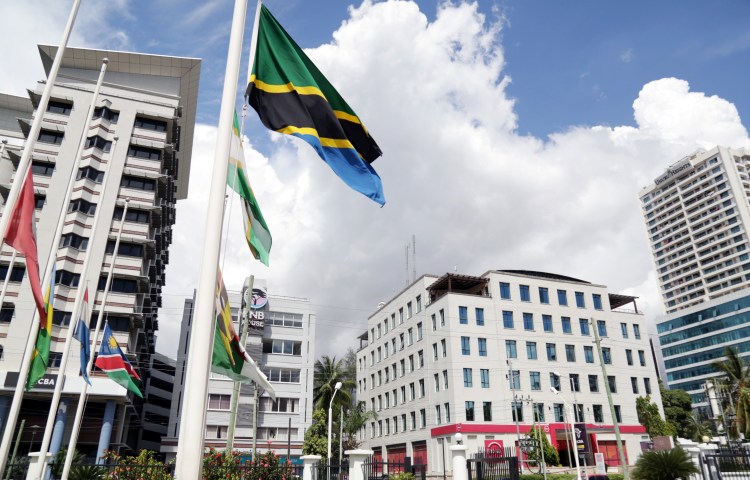
Tanzanian regulator suspends DarMpya online news outlet, citing expired license
Nairobi, July 12, 2022 – Tanzanian authorities should allow the DarMpya online news outlet to resume operations without further interference and reform the country’s online content regulations so they cannot be used to muzzle the press, the Committee to Protect Journalists said Tuesday. On July 1, the Tanzania Communications Regulatory Authority (TCRA) ordered DarMpya to…

‘A rush of relief’: Tanzanian investigative newspaper allowed to publish after 5-year ban
In 2017, Simon Mkina was the publisher and chief editor of the muckraking Tanzanian newspaper Mawio when authorities announced that they were suspending the publication for “jeopardizing national security” by reporting on two former presidents’ alleged links to mining misconduct. Mkina was forced to lay himself off, along with 57 other employees, and he became…
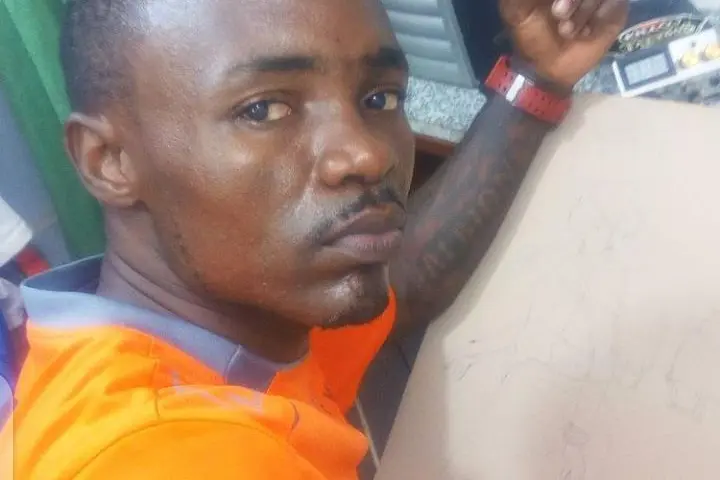
Tanzania police arrest cartoonist, journalists on cybercrime and illegal assembly allegations
Nairobi, October 7, 2021—Tanzanian authorities should unconditionally release cartoonist Opptertus John Fwema, and drop investigations into Mgawe TV journalist Harold Shemsanga and the media outlet’s owner, Ernest Mgawe, the Committee to Protect Journalists said today. On September 24, police arrested Fwema at his home in the commercial capital, Dar es Salaam, and have since detained…
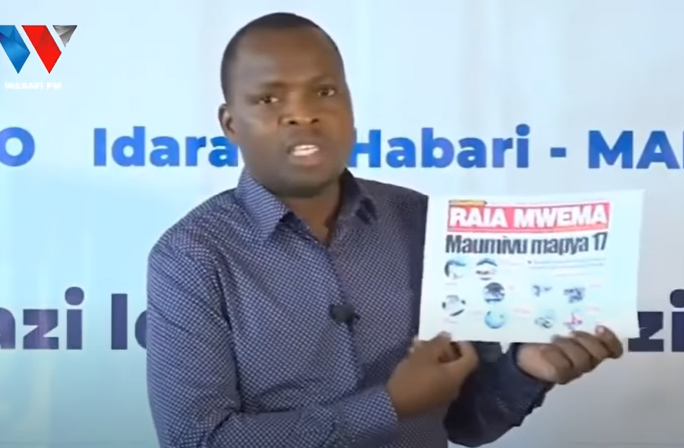
Tanzanian authorities suspend Raia Mwema newspaper for 1 month
Nairobi, September 15, 2021 — Tanzanian authorities should immediately rescind the suspension of the Raia Mwema newspaper and cease banning media outlets, the Committee to Protect Journalists said today. In a statement released on September 5, Tanzanian government spokesperson Gerson Msigwa announced a month-long suspension of the privately owned newspaper, beginning the following day. In…
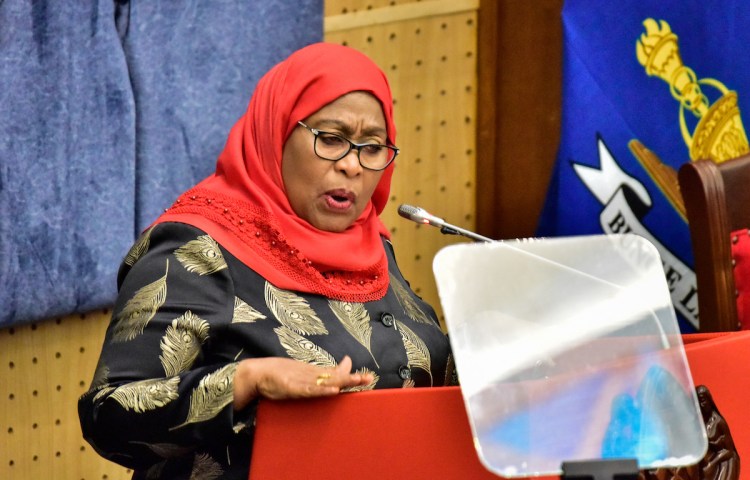
Tanzania ruling party newspaper Uhuru returns after two-week suspension
On August 11, 2021, authorities in Tanzania issued a 14-day suspension of Uhuru, a newspaper owned by the Chama Cha Mapinduzi (CCM) ruling party, following allegations that the paper had published a false and seditious report about the country’s president, Samia Suluhu Hassan, according to media reports and a statement by government spokesperson, Gerson Msigwa. Earlier that day, Uhuru had published a front-page story…
Tanzanian reporter Jesse Mikofu beaten, harassed in Zanzibar
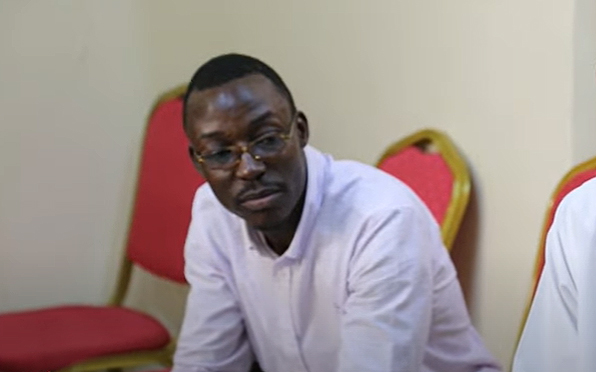
On April 21, 2021, security officers in Zanzibar, a semi-autonomous archipelago in Tanzania, beat and harassed Jesse Mikofu, a reporter with the privately owned Mwananchi newspaper, according to news reports, a statement by the Media Council of Tanzania, an independent self-regulatory body, and the journalist, who spoke to CPJ via messaging app. Three officers from…
Local official orders 2 journalists detained during municipal meeting in Tanzania
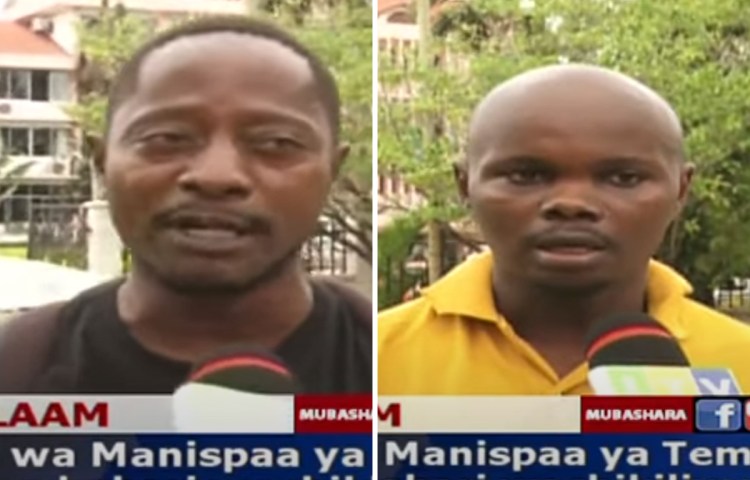
On April 12, 2021, security personnel with Tanzania’s Temeke municipality briefly detained two broadcast reporters—Dickson Billikwija with the privately owned Islands TV, and Christopher James of the privately owned ITV and Radio One—at a local official’s request, according to news reports and both journalists, who spoke to CPJ via messaging app. That official, Lusubilo Mwakabibi—the…

Jamii Forums founder Maxence Melo convicted on obstruction charge, released in Tanzania
Nairobi, November 19, 2020 – The Committee to Protect Journalists today expressed concern about the conviction of Maxence Melo, founder of the Tanzanian online discussion platform Jamii Forums, on charges of obstruction. On November 17, the Kisutu Resident Magistrate’s Court acquitted Melo on charges of operating a website that was not registered in Tanzania, but…
Ahead of elections, Tanzania’s regulator is used as a cudgel against the media
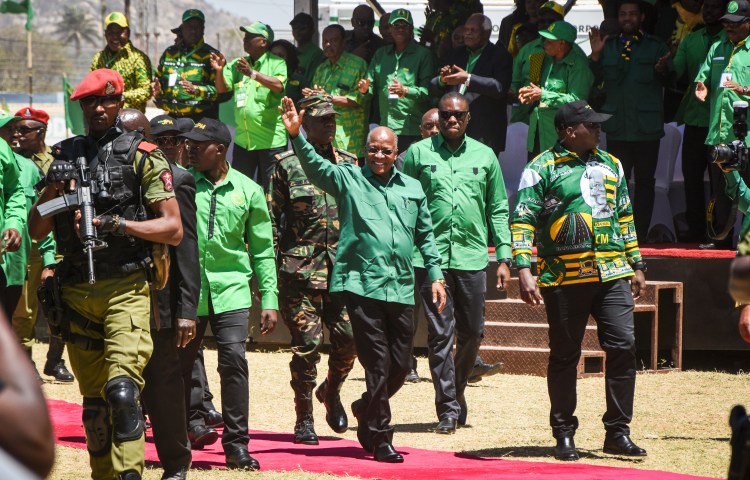
On August 27, the second day of mainland Tanzania’s official campaign period leading up to October 28 elections, authorities ordered privately owned broadcasters Clouds TV and Clouds FM to replace their regular programming with an hours-long apology until midnight and then halt programming altogether for a week. The over-the-top display of repentance was dictated by the Tanzania Communications Regulatory Authority (TCRA), on the…