
In Eswatini, abusive lawsuit demands a record $9.8 mln for defamation
Lusaka, November 4, 2025—The Swazi Bridge news site in Eswatini is facing a record-breaking claim for 170 million emalangeni (US$9.8 million) in damages and the threat of terrorism investigations, as part of a growing global trend of using abusive lawsuits to suppress public interest reporting. The Farmers Bank and its director John Asfar alleged defamation…
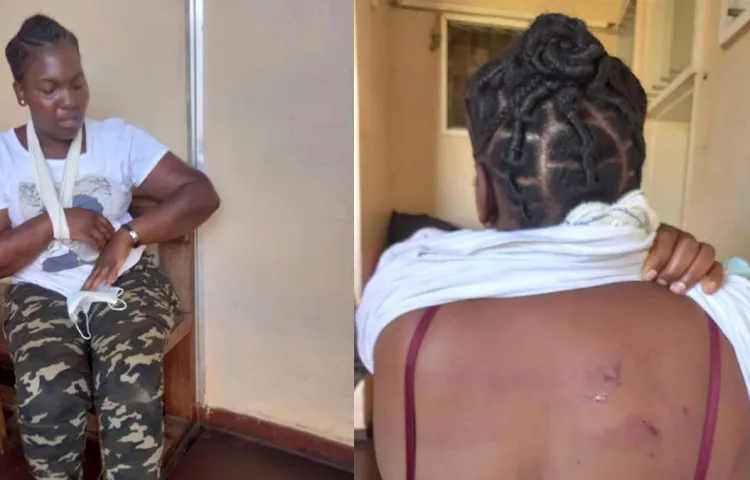
Eswatini prison officers assault, threaten to shoot reporter covering pro-democracy protest
Lusaka, February 16, 2022 — Authorities in Eswatini must immediately investigate the brutal assault by correctional officers on Nomthandazo Maseko, a reporter for the privately owned news website Swati Newsweek, and hold those responsible to account, the Committee to Protect Journalists said Wednesday. At noon on February 8, about 20 correctional services staff in Matsapha, a…
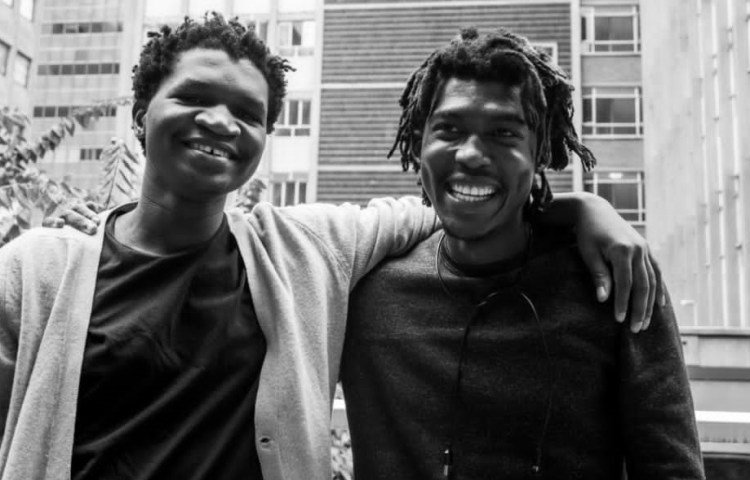
Eswatini police detain, abuse 2 reporters from South African outlet New Frame
Lusaka, Zambia, July 8, 2021 – Eswatini authorities must conduct a swift and thorough investigation into the recent arrests and abuse in custody of journalists Magnificent Mndebele and Cebelihle Mbuyisa, and hold those responsible to account, the Committee to Protect Journalists said today. At about 9 a.m. on July 4, soldiers on the MR3 highway near…
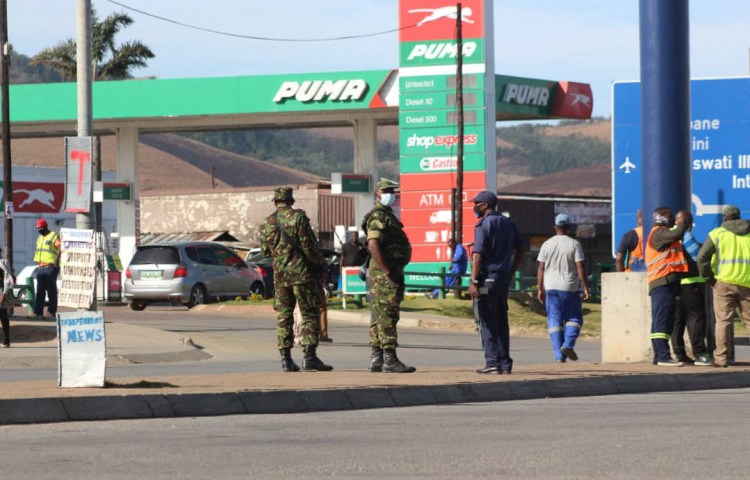
CPJ joins letter urging Eswatini King Mswati III to guarantee journalists’ safety
The Committee to Protect Journalists today joined 20 other media freedom organizations in an open letter to Eswatini King Mswati III, urging him to guarantee the safety and security of journalists and media workers in the country. Since late June, Eswatini authorities have fired tear gas at reporters and partially shut down the internet amid…
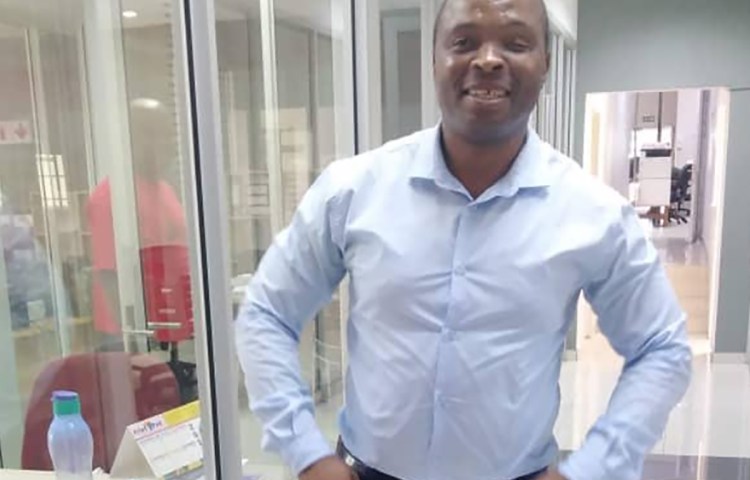
Eswatini editor receives death threats over pro-government article
On June 14, 2020, an alleged member of an Eswatini opposition group sent threatening text messages to Welcome Dlamini, an assistant weekend editor of the privately owned newspaper The Times of Eswatini, over a column he had published in support of the country’s government, according to the journalist, who spoke to CPJ via messaging app,…
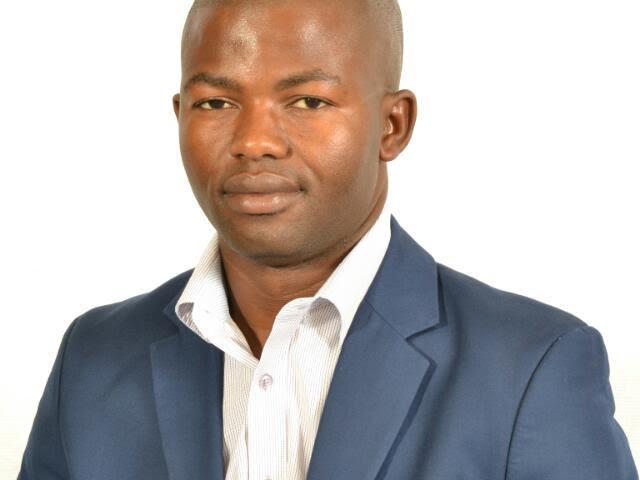
Swazi editor flees to South Africa, wanted in false news investigation
In the early morning of February 25, 2020, police in the Manzini region of Swaziland raided the home of Zweli Martin Dlamini, the editor of the privately owned news website Swaziland News, and arrested him, according to media reports and the journalist, who spoke to CPJ via messaging app.
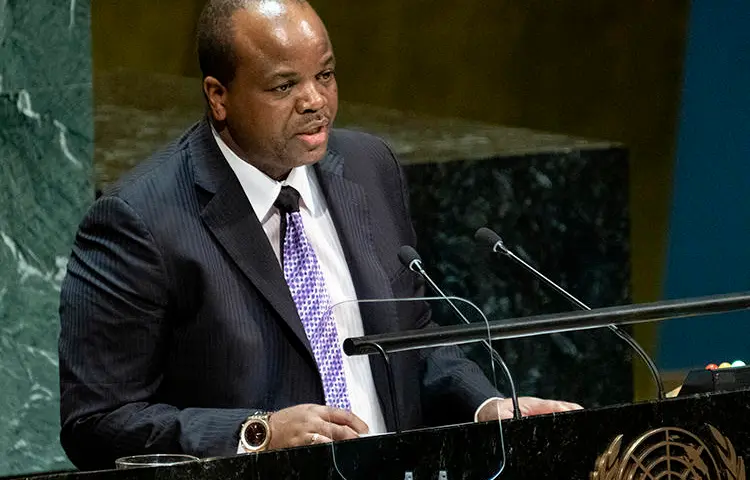
Swaziland journalists harassed, threatened with treason charges over reporting on king
New York, April 30, 2020 — Swaziland police should stop intimidating and harassing local journalists for reporting critically about King Mswati III and should allow them to write freely without the threat of treason charges, the Committee to Protect Journalists said today.
CPJ calls on SADC heads of state to prioritize press freedom and the safety of journalists
CPJ writes to the executive secretary and heads of state of the Southern African Development Community ahead of the 39th Ordinary Summit, urging them to prioritize press freedom and the safety of journalists in SADC.
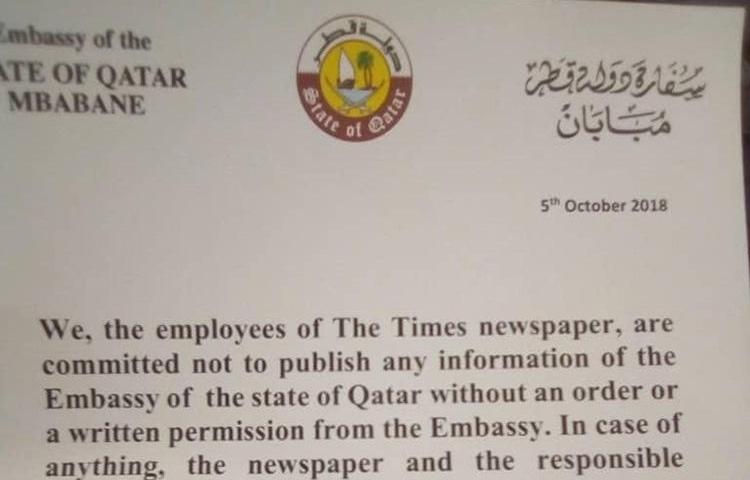
Qatar embassy in Swaziland briefly detains two journalists
Security staff detained two Times of Swaziland journalists for more than an hour at the Qatar Embassy in Swaziland’s capital, Mbabane, on October 5, 2018, according to a statement by the local chapter of the Media Institute of Southern Africa (MISA). The journalists were detained after a senior diplomat tried to make them sign a…
Swaziland releases Bheki Makhubu after 15 months in jail
New York, June 30, 2015–The Committee to Protect Journalists welcomes today’s decision by the Swaziland Supreme Court to release from prison Bheki Makhubu, the editor of The Nation, who has been in jail since March 2014 along with human rights lawyer Thulani Maseko, after the crown prosecution said it would not defend an appeal against…