
Namibia’s New Era newspaper suspends managing editor after editorial criticizes judiciary
Lusaka, October 13, 2023—The management of Namibia’s New Era newspaper should immediately rescind the suspension of the paper’s managing editor Johnathan Beukes and allow the state-owned media outlet to operate independently, the Committee to Protect Journalists said Friday. On September 29, Christof Maletsky, CEO of state-owned New Era Publication Corporation, which publishes the daily newspaper,…
Namibian journalists investigated for trespassing for drone journalism
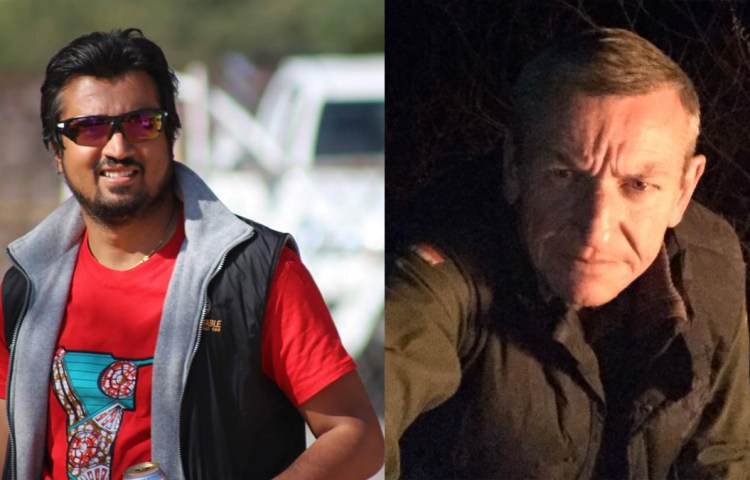
On February 12, 2022, at around 5 p.m., Namibian police briefly detained freelance investigative reporters John Grobler and Nrupesh Soni for allegedly trespassing at GoHunt Namibia Safaris’ farm in the Omaheke region, east of Windhoek, the capital, because they used a drone to film elephants on private property, according to the journalists, who spoke to…
Iceland fishing company goes ‘guerilla’ on journalists who uncovered alleged corruption
When in March of this year a neighbor alerted Helgi Seljan, an investigative reporter for Iceland’s public broadcaster Ríkisútvarpið (RÚV), that she had seen someone lurking around his house, he was alarmed, he told CPJ in a video interview. Seljan said that the neighbor recognized the alleged lurker as Jón Óttar Ólafsson, a former police…
CPJ calls on SADC heads of state to prioritize press freedom and the safety of journalists
CPJ writes to the executive secretary and heads of state of the Southern African Development Community ahead of the 39th Ordinary Summit, urging them to prioritize press freedom and the safety of journalists in SADC.
A quiet victory for The Namibian
Namibia’s information minister recently announced that a decade-long state advertising boycott of The Namibian, the country’s largest daily newspaper, would finally end. An action intended to punish the paper for its independence had failed. It was back in December 2000 that former President Sam Nujoma told his cabinet to block all government advertising and purchases…

Journalist assaulted for his work in Namibia
New York, January 14, 2010–The Committee to Protect Journalists calls on Namibian authorities to thoroughly investigate an alleged attack by four assailants against freelance journalist John Grobler on January 8. Grobler told CPJ that four men attacked him at a bar Friday evening in the capital, Windhoek, cutting his face with a broken glass and…
In Namibia seal hunt, journalists said to become prey
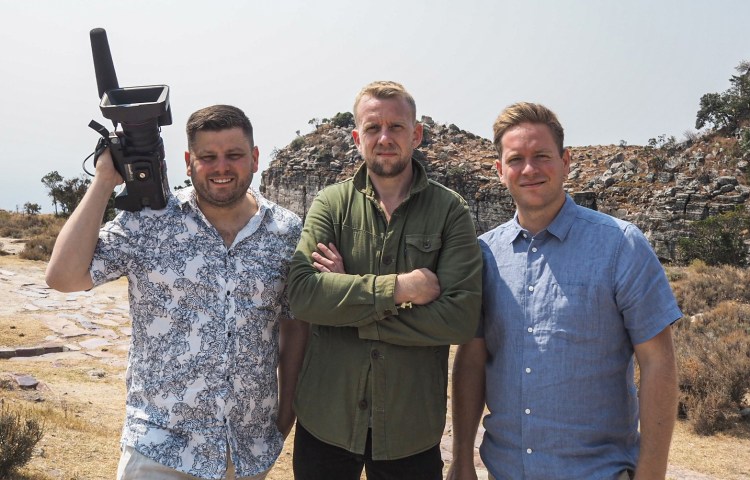
July marks the start of seal hunting season in Namibia, where hunters will be allowed to kill more than 90,000 seals. British journalist Jim Wickens and South African cameraman Bart Smithers filmed the event near Cape Cross Colony on Thursday morning for a British advocacy organization, Ecostorm. That is, until the journalists became the hunted.
Attacks on the Press 2004: Africa Analysis
Overviewby Julia Crawford With the rule of law weak in many African countries, journalists regularly battle threats and harassment, not only from governments but also from rogue elements, such as militias. Repressive legislation is used in many countries to silence journalists who write about sensitive topics such as corruption, mismanagement, and human rights abuses. If…
Attacks on the Press 2002: Africa Analysis
Although the Kenya-based East African Standard, one of Africa’s oldest continuously published newspapers, marked its 100th anniversary in November, journalism remains a difficult profession on the continent, with adverse government policies and multifaceted economic woes still undermining the full development of African media.