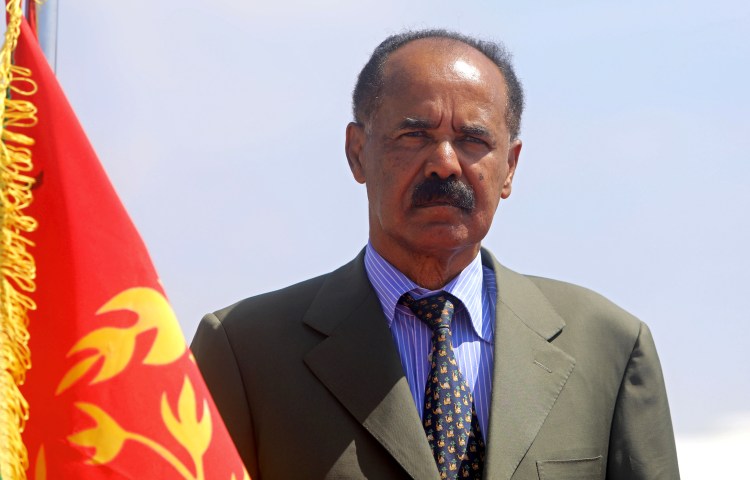
CPJ joins UN complaint on behalf of jailed Eritrean journalists
On July 21, 2022, the Committee to Protect Journalists joined the Raoul Wallenberg Centre for Human Rights in partnership with seven other rights organizations and lawyers in a complaint filed to the United Nations Working Group on Arbitrary Detention calling for accountability in the cases of Dawit Isaak and fifteen other journalists held behind bars…
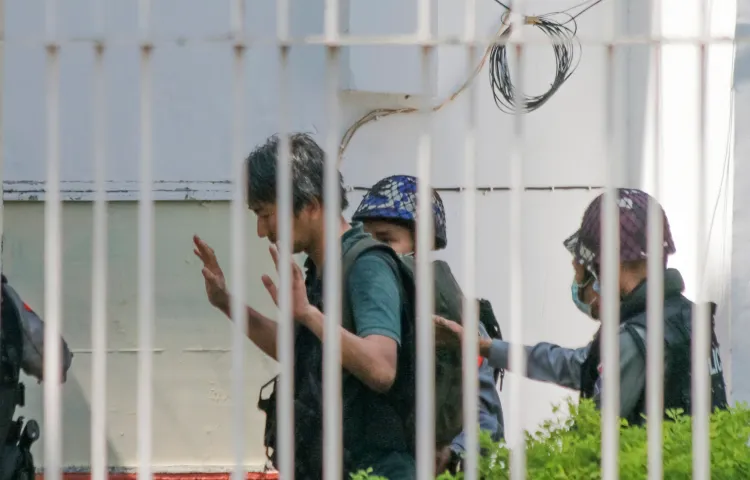
Number of journalists behind bars reaches global high
Editor’s note: Numbers for each prison census are adjusted yearly as CPJ learns of arrests, releases, or deaths in prison. The numbers for CPJ’s 2021 census have been revised from 293 to 302 in accordance with this policy. For the most recent data, see cpj.org/data/imprisoned/ The number of journalists jailed around the world set another record…
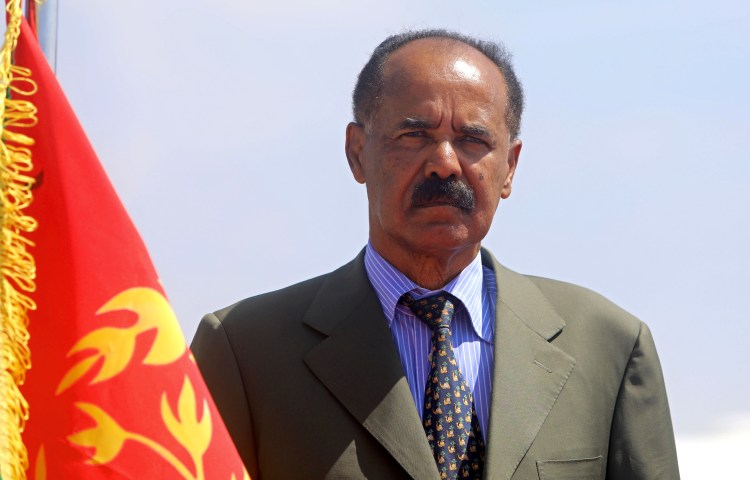
CPJ joins call for Canada to impose targeted sanctions on Eritrean officials
The Committee to Protect Journalists yesterday joined 15 other rights organizations, journalists, and human rights experts in a statement calling on the government of Canada to impose targeted sanctions on senior Eritrean officials for human rights abuses, including the 20-year imprisonment of newspaper editor Dawit Isaac and other journalists. “After two decades, the devastating mistreatment…
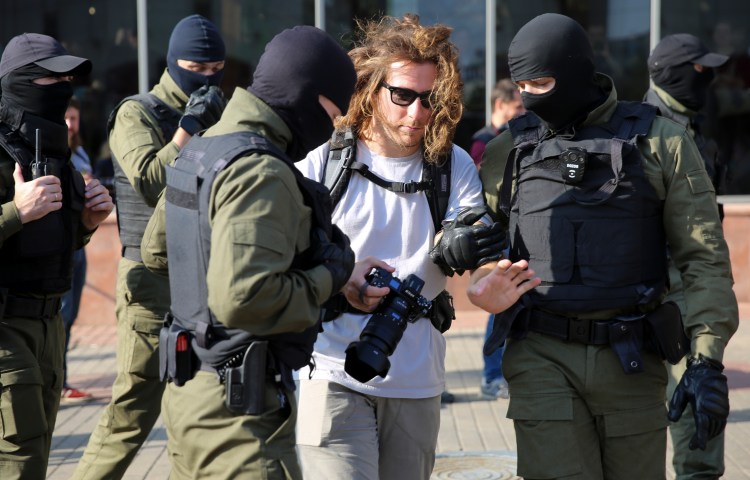
Record number of journalists jailed worldwide
Editor’s note: In 2019, CPJ published a new database of attacks on the press. Numbers for each subsequent prison census are liable to adjust yearly as CPJ learns of arrests, releases, or deaths in prison. For the most recent data, see cpj.org/data/imprisoned/. The number of journalists jailed globally because of their work hit a new high in 2020…
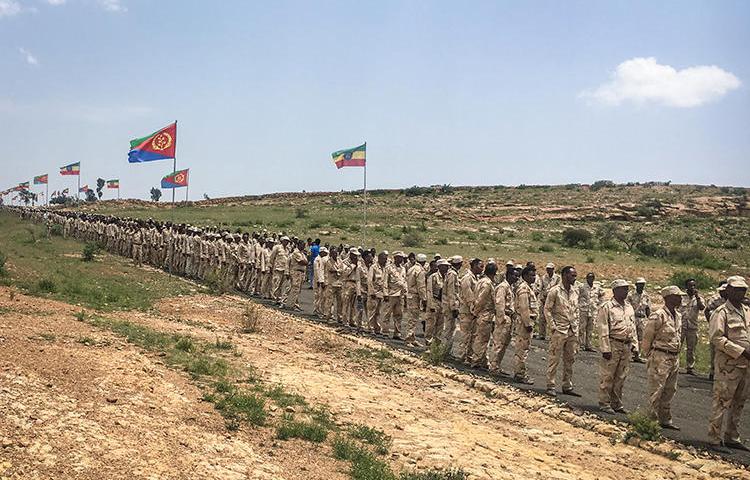
CPJ joins letter calling on UN Human Rights Council to maintain pressure on Eritrea
The Committee to Protect Journalists joined 23 other free speech and human rights organizations in a letter sent yesterday urging the United Nations Human Rights Council to extend the mandate of the special rapporteur on the human rights situation in Eritrea.
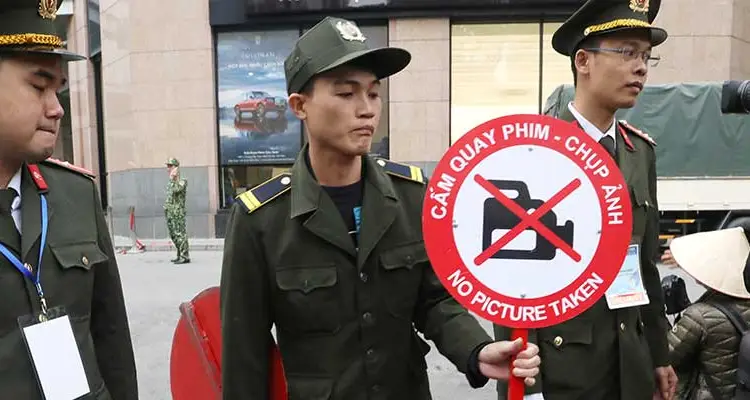
10 Most Censored Countries
Repressive governments use sophisticated digital censorship and surveillance alongside more traditional methods to silence independent media. A special report by the Committee to Protect Journalists. Published September 10, 2019 Eritrea is the world’s most censored country, according to a list compiled by the Committee to Protect Journalists. The list is based on CPJ’s research into the…
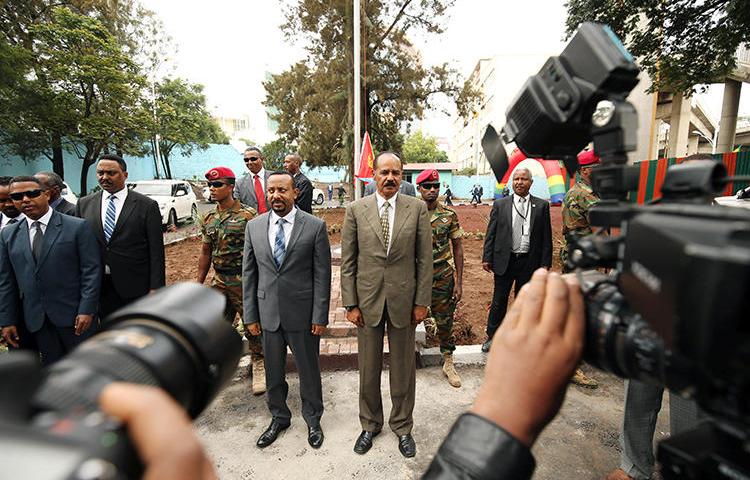
CPJ joins call for UN to continue scrutinizing human rights situation in Eritrea
The Committee to Protect Journalists and 29 other civil society organizations today sent a letter to members of the United Nations Human Rights Council urging them to continue to scrutinize the human rights situation in Eritrea. The letter was sent ahead of the 41st session of the Human Rights Council, which will take place in…
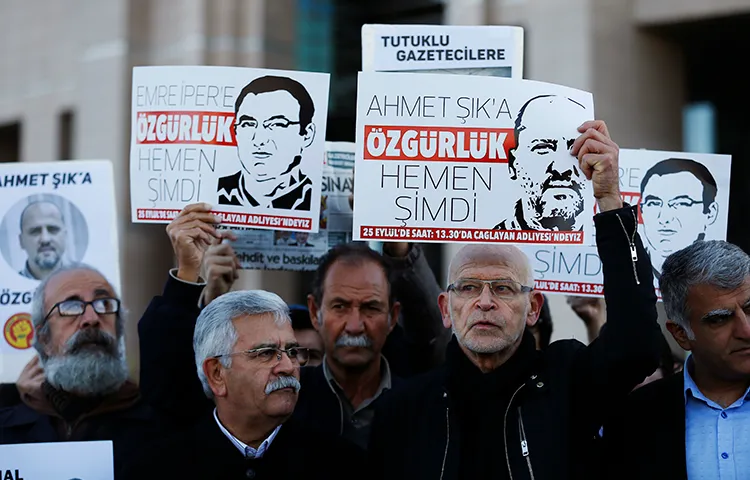
Record number of journalists jailed as Turkey, China, Egypt pay scant price for repression
For the second year in a row, the number of journalists imprisoned for their work hit a historical high, as the U.S. and other Western powers failed to pressure the world’s worst jailers–Turkey, China, and Egypt–into improving the bleak climate for press freedom. A CPJ special report by Elana Beiser
Turkey’s crackdown propels number of journalists in jail worldwide to record high
At least 81 journalists are imprisoned in Turkey, all of them facing anti-state charges, in the wake of an unprecedented crackdown that has included the shuttering of more than 100 news outlets. The 259 journalists in jail worldwide is the highest number recorded since 1990. A CPJ special report by Elana Beiser