Cameroon
2012
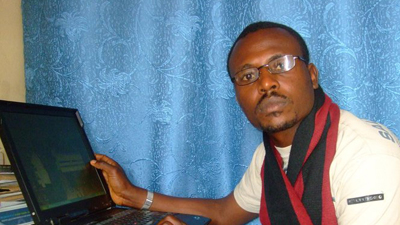
In Cameroon, journalist threatened with defamation charge
Abuja, Nigeria, December 12, 2012–A state prosecutor in the city of Bamenda in Cameroon has threatened to file defamation charges against an editor if he does not reveal his sources for a series of articles, according to news reports. The Committee to Protect Journalists calls on authorities to immediately stop the harassment against Aaron Kah…
In Cameroon, journalists given suspended prison terms
New York, December 6, 2012–The Committee to Protect Journalists condemns Monday’s criminal convictions of three Cameroonian journalists who tried to investigate a purported government memo that suggested corruption in the management of a state oil company. One of the defendants said he was tortured in custody, while a fourth journalist accused in the case died…
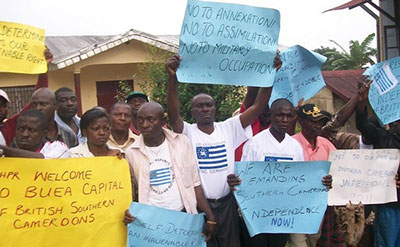
Journalist faces unlawful assembly charge in Cameroon
New York, November 8, 2012–The Committee to Protect Journalists today called on Cameroonian officials to drop criminal charges against a journalist arrested last month in the southwestern town of Buea for covering a secessionist gathering. The journalist is free on bail but faces a fine and up to six months in jail.
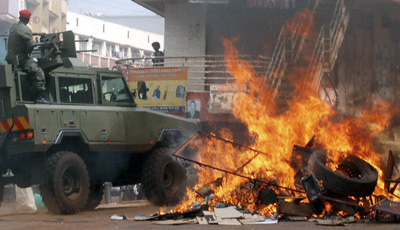
Attacks on the Press in 2011: Cameroon
The government sought to curtail popular protests and related news coverage as President Paul Biya extended 29 years of rule in an October election. Having consolidated power through constitutional amendments that removed term limits and stacked the membership of the election oversight agency with loyalists, Biya swept 78 percent of the vote in a poll…