
Why newsrooms need a solution to end online harassment of reporters
Stef Schrader was on vacation in Germany last year when spam messages started to flood her inbox. Seeing random emails from Macy’s—and job alerts for the position of “Chief Idiot”—she realized someone had signed her work email up to dozens of email lists.
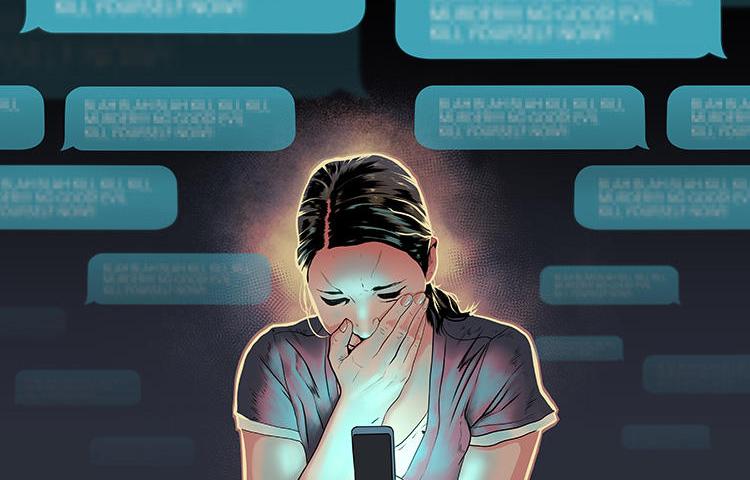
Psychological safety: Online harassment and how to protect your mental health
Journalists are frequently at risk of being harassed online in an attempt by hostile actors to intimidate or force them into silence. The harassment, most commonly directed at female journalists, often includes threats of violence against the journalist and their family and friends.
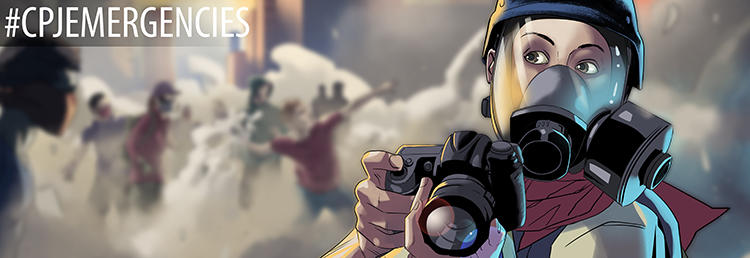
Physical safety: Solo reporting
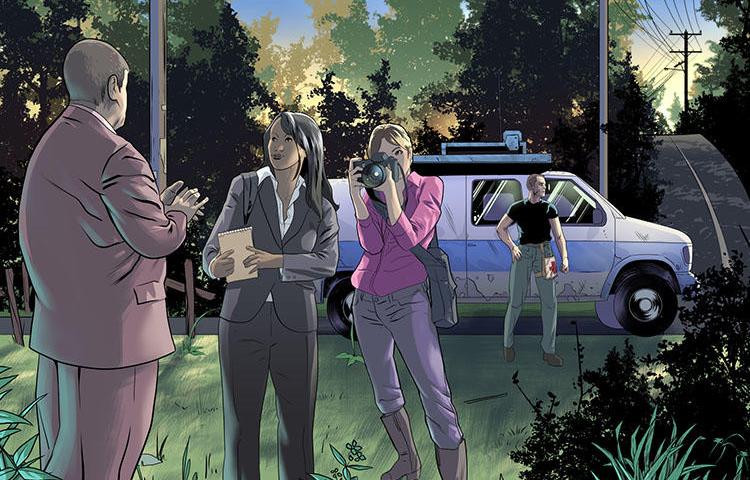
Solo work is becoming more common, especially for broadcast and video journalists. However, working alone can make journalists vulnerable to physical assault. For assignments in locations such as neighborhoods with high crime rates, protests, or remote areas, it is advisable that journalists do not work alone.
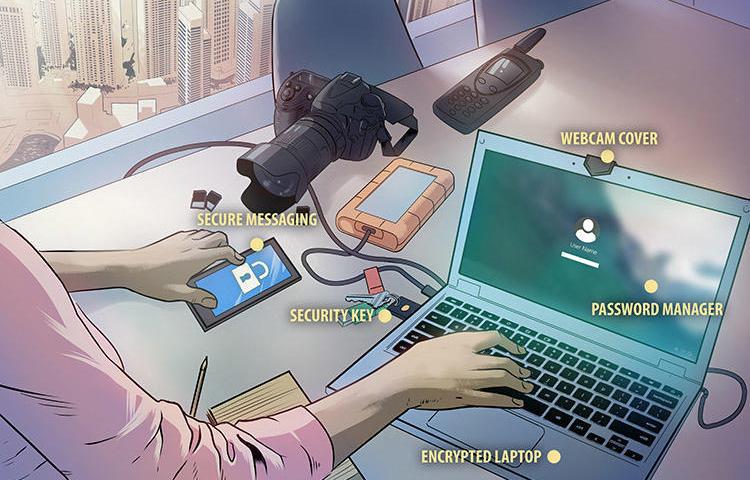
Physical safety: Mitigating sexual violence
Sexual violence can take many forms, including sexual and physical assaults. Any individual can be the subject of sexual misconduct, but journalists are often at risk from a range of people, including sources and members of the public, while they are reporting. That risk is heightened for female or gender non-conforming journalists.
CPJ releases safety kit in response to risks identified by female journalists in US, Canada
New York, September 4, 2019—The Committee to Protect Journalists today released a collection of safety resources for female journalists. The package features an analysis of CPJ data from a survey of female and gender non-conforming journalists in the U.S. and Canada, an infographic, and specialized safety advice.
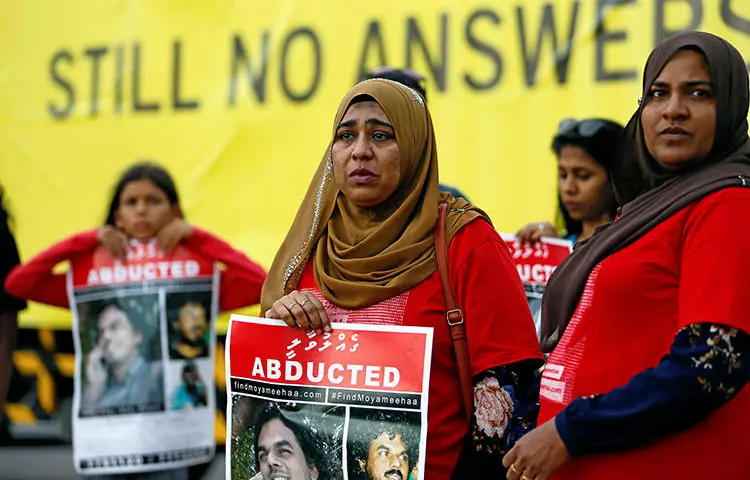
Maldives journalist Ahmed Rilwan Abdulla killed by Al-Qaeda group in 2014, commission finds
New Delhi, September 3, 2019 — Maldivian authorities should prosecute those responsible for the 2014 killing of journalist Ahmed Rilwan Abdulla, including the planners of the attack as well as any government officials who interfered in the investigation, the Committee to Protect Journalists said today.