2010
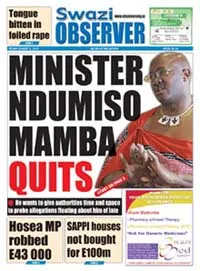
In Swaziland, local press subdues royal sex scandal coverage
An alleged sex scandal involving one of the wives of Africa’s last absolute monarch, King Mswati III of Swaziland, has made worldwide headlines. Yet, in the southern African mountain kingdom, media coverage has been subdued, shying away from questioning the silence of the monarchy over the reports.So, while City Press, a newspaper in neighboring South Africa, went as far…
Pakistani TV stations remain off the air during floods
New York, August 10, 2010–Pakistan’s major news broadcasters ARY TV and GEO TV are off the air in Karachi and Sindh province for a third day since supporters of the Pakistan Peoples Party (PPP) of President Asif Ali Zardari have reportedly severed cable connections of the distributors that carry them. Demonstrations at the offices of the distributors and the…
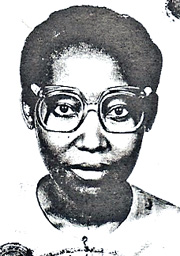
Gabon’s press blossoms, faces financial challenges
I will never forget that morning of August 17, 1960, in Port-Gentil when I was awakened with a jolt by the screams: “Long live independence, long live freedom!” Yet Gabon would not see the emergence of an independent and pluralistic press until the democratization process of 1990.
Sudan bans BBC Arabic, tightens grip on the press
New York, August 9, 2010—The Sudanese government has announced it is suspending the BBC’s license to broadcast in Arabic on local FM frequencies in four northern cities, including the capital, Khartoum. Security personnel also informed editors in recent days that journalists who had not completed an extensive government questionnaire would be detained, journalists told CPJ.
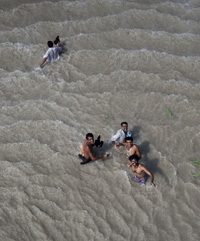
Amid massive flooding, Pakistan shuts down two stations
New York, August 9, 2010—The Committee to Protect Journalists calls for the Pakistani government to allow GEO TV and ARY News stations back on the air. The shutdown, coupled with demonstrations by government supporters outside the cable companies’ facilities Saturday night came soon after the stations aired news about a protester throwing shoes at Pakistan’s President Asif…
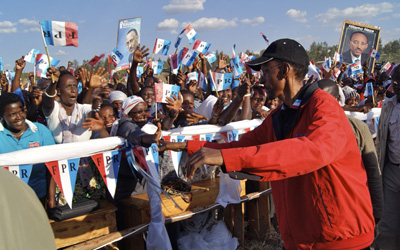
In Rwanda election, no critical domestic press
“No one but you!” supporters of President Paul Kagame have shouted at recent election rallies with many waving the red, white, and blue flags that symbolize the ruling Rwandan Patriotic Front party, according to local and international reports. But journalists critical of the ruling party could not document firsthand the campaign that ended today because…
Mali’s press: The paradox of its two faces
In terms of freedom of expression and democratic and media pluralism, Mali is undeniably today one of the leading countries in francophone Africa. In this year marking the 50th anniversary of Mali’s independence, the country’s media pool includes 300 private FM radio stations, and about 50 newspapers and periodicals. This incredible blossoming of the Malian press is due to…
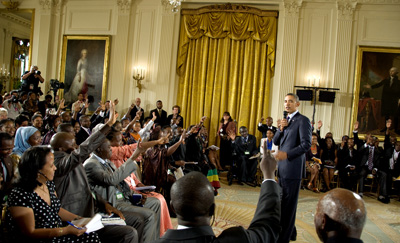
Obama tells Africa forum ‘no reason’ for press restriction
One out of 10 delegates participating this week in U.S. President Barack Obama’s Young African Leaders Forum was a journalist. The forum, a U.S. initiative meant to spark discussions on the future of Africa in a year when 17 countries on the continent are celebrating 50 years of nationhood, did not overlook freedom of the press, as I witnessed in…
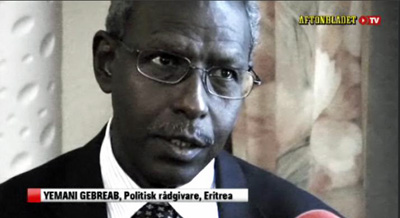
Eritrean official says jailed journalists were security threat
Since a week after September 11, 2001, when the government of Eritrea threw into secret prisons journalists from its once-vibrant private press, the only certainty it has offered about the fate of the prisoners has been ambiguity. Over the years, officials have offered various explanations for the arrests—from nebulous anti-state conspiracies involving foreign intelligence to press law violations. They have…