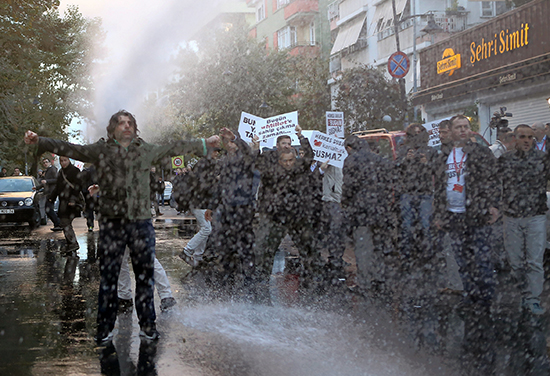
Turkey Crackdown Chronicle: Week of June 5
Provincial officials ask journalists to submit to prior censorship: report Top officials in southeastern Turkey’s Gaziantep province, near the Syrian border, on June 1 convened local journalists to ask them not to report on “the bad things happening in the city,” and to submit their stories to a group on the messaging service WhatsApp which…
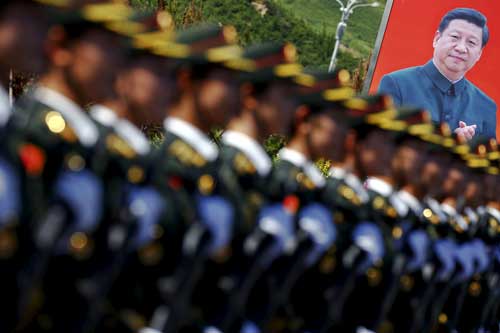
In China, more journalists–even former ones–vulnerable to government wrath
Most of the journalists imprisoned in China reported or commented on issues that the Chinese government finds threatening to its rule. They were likely aware that their work could invoke the wrath of the Chinese Communist Party at any time, but still choose to go ahead for the sake of truth and the public interest.…
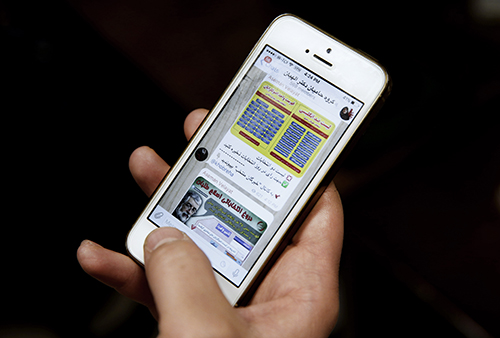
Why Telegram’s security flaws may put Iran’s journalists at risk
The mobile messaging app Telegram is popular in Iran, where citizens who have limited access to uncensored news and mainstream social media sites, such as Facebook and Twitter, use it to share and access information. But the app’s estimated 20 million users in Iran, including those who use Telegram to report and communicate with sources,…
BBC censored during Obama’s visit to Vietnam
Bangkok, May 23, 2016 – Authorities in Vietnam ordered a British Broadcasting Corporation team to stop reporting on U.S. President Barack Obama’s three-day visit to the country, the BBC reported today. The Committee to Protect Journalists condemned the censorship and called on Vietnam to stop harassing journalists.
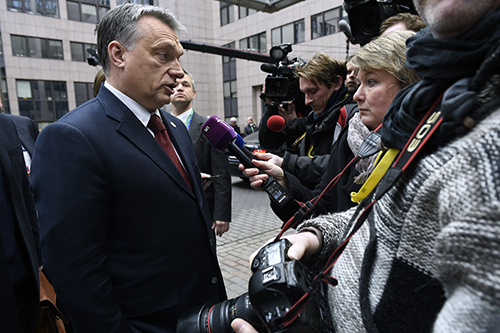
UN review of Hungary shows country ‘treats human rights as a public enemy’
On May 9, a stern review of Hungary’s conduct in human rights issues and press freedom was released at the United Nations Human Rights Council. The report, drafted by the Working Group on the Universal Periodic Review, listed concerns from U.N. member states about the controversial policies of Viktor Orbán’s government on asylum seekers and…

Tanzania cuts live parliamentary coverage, ending vital news source for citizens
On April 19, the live coverage of proceedings in the Tanzanian parliament ended as a government decision to halt the service went into effect. The move, announced by Information Minister Nape Nnauye in January, has led to protests from the opposition party and journalists’ groups, who said they view the decision to stop live broadcasts…
Uganda blocks social media sites for presidential inauguration
Nairobi, May 12, 2016 – Ugandan authorities should immediately restore access to social media websites and refrain from censoring any websites in the future, the Committee to Protect Journalists said today. Regulators blocked access to Twitter and Facebook, and to the messaging service WhatsApp today, according to press reports.
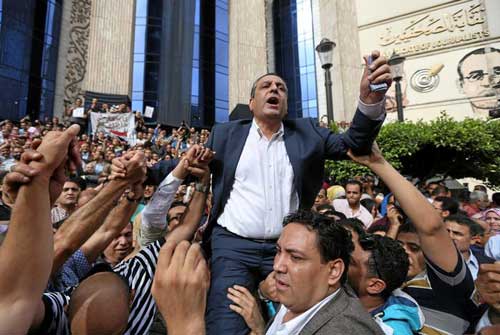
Egyptian government clash with Journalists Syndicate marks turning point in censorship fight
A standoff this week between Egyptian authorities and the country’s influential Journalists Syndicate could mark a turning point in the fight for media control that has raged since before President Abdel Fattah el-Sisi took office.

Abe administration throttles media independence, journalists and UN say
Late in 2015, the Japanese government asked David Kaye, the U.N. special rapporteur on the right to freedom of opinion and expression, to reschedule a visit planned for December. At the time, some news outlets speculated that the administration of Prime Minister Shinzo Abe, under criticism for rising threats to free expression, was trying to…