
Mexican anti-corruption news website MCCI hit with cyberattack
New York, May 10, 2019–The Committee to Protect Journalists today condemned a cyberattack on Mexicanos Contra La Corrupción y Impunidad (MCCI), a Mexican nonprofit news outlet that publishes in-depth investigations into corruption in Mexico and Latin America.
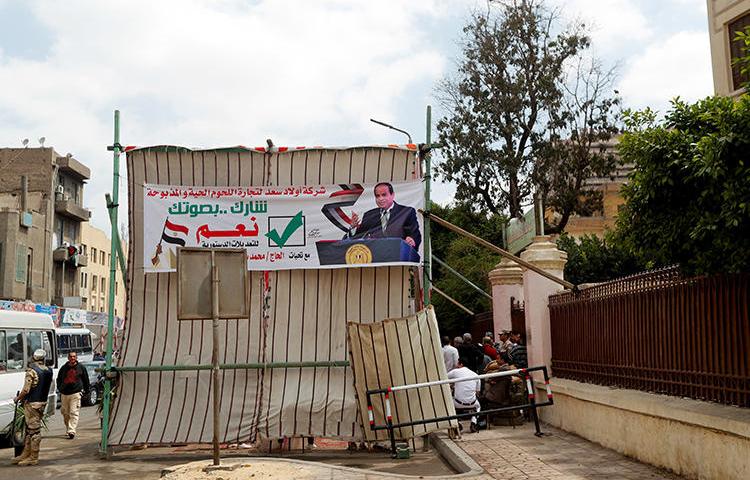
Egypt tests new censorship law with handling of al-Mashhad website block
Magdy Shandi, editor-in-chief of the Cairo-based independent newspaper al-Mashhad, planned to send 30 journalists to report from polling stations while votes were being cast in Egypt’s constitutional referendum between April 20 and April 22. He ended up ordering them to stay away, he told CPJ in a telephone interview in May. The state’s media regulator…
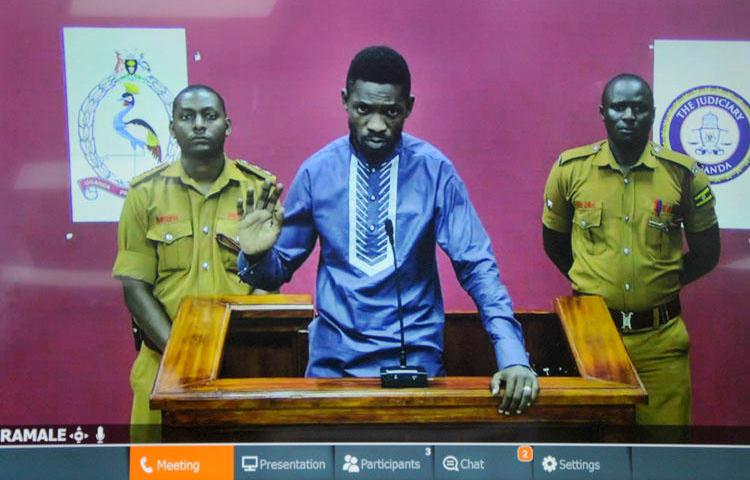
Ugandan regulator suspends staff from 13 outlets that covered Bobi Wine
Addis Ababa, May 2, 2019–The Committee to Protect Journalists today called on Uganda’s media regulator to immediately rescind an order yesterday suspending staff from 13 radio and television stations in connection to their coverage of opposition politician Robert Kyagulanyi, known as Bobi Wine.
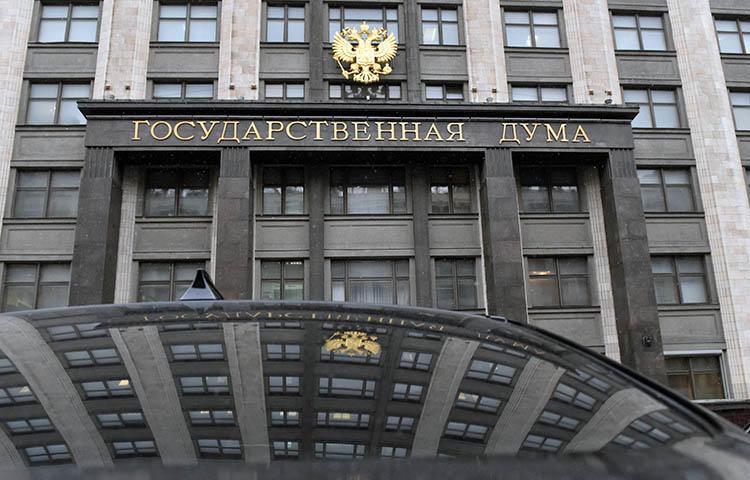
Letter calls on Putin to not approve Russia’s ‘sovereign internet’ bill
CPJ and a coalition of international human rights and press freedom organizations called on President Vladimir Putin to not approve legislative amendments known as the “bill on a sovereign internet” that could lead to further limitations on internet and media freedom in Russia.
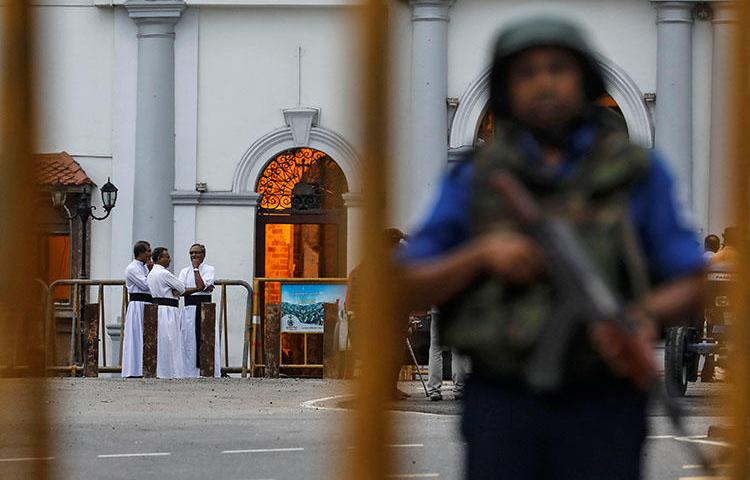
Social media still blocked in Sri Lanka following terror attack
Several social media sites remained blocked in Sri Lanka today, according to NetBlocks, an independent, international civil society group that monitors internet censorship. Sri Lankan authorities blocked the sites, along with several messaging apps, throughout the country on April 21, following a terrorist attack that left more than 253 people dead, according to international news…
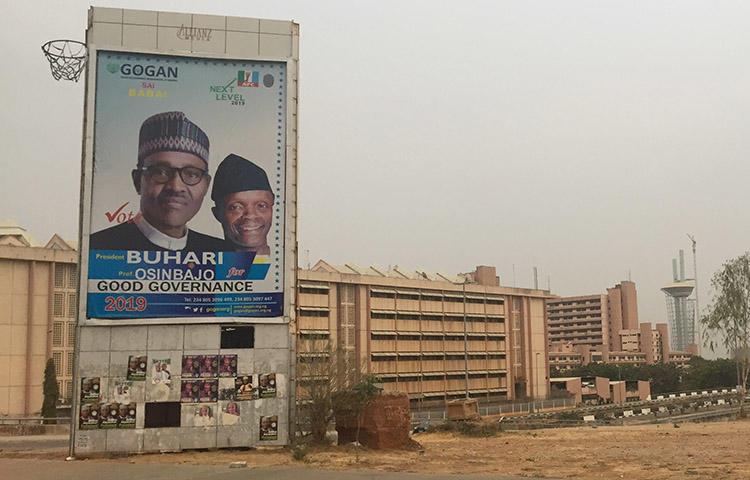
‘You cannot muzzle the media’: Nigerian journalists on press freedom under Buhari
When Nigeria’s incumbent president Muhammadu Buhari won re-election this year, he campaigned (as he did in 2015) on an image of good governance and anti-corruption. Billboards in the capital, Abuja, bore the smiling faces of the president–who first led Nigeria as military ruler from 1983-1985–and his vice-president Yemi Osinbajo, and called for voters to let…
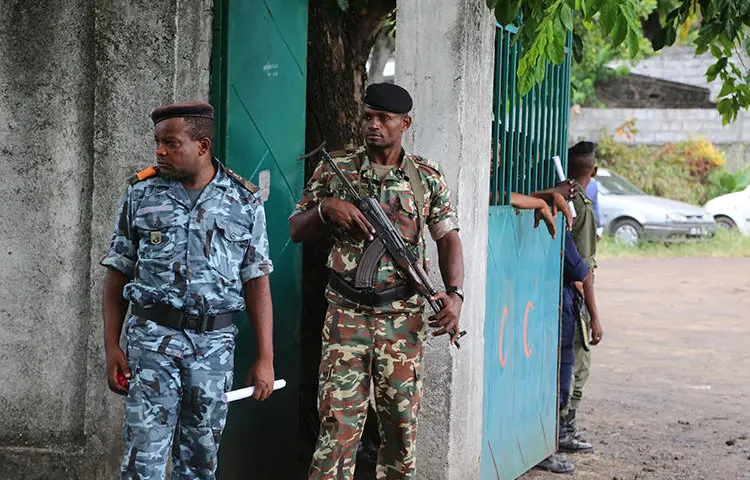

Nazarbayev’s long rule leaves toxic legacy for Kazakhstan’s media
In 2011, I observed an astonishing spectacle in the Respublika newspaper offices in Almaty, Kazakhstan’s financial capital. Journalists were putting a modern-day twist on samizdat, a practice in the Soviet Union whereby dissidents laboriously copied illicit material to circumvent censorship.
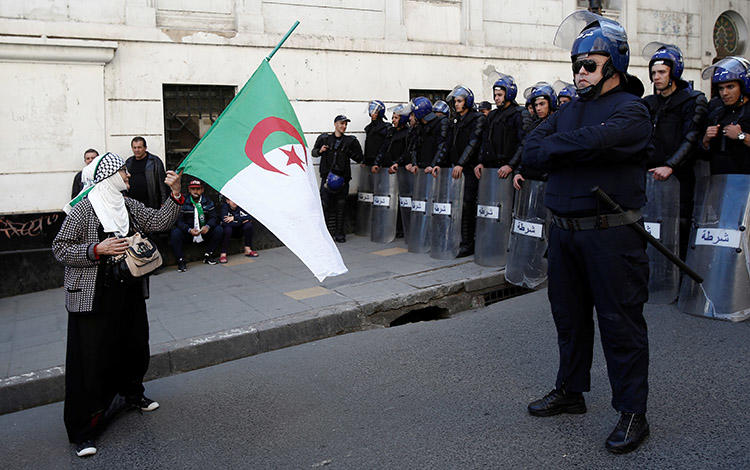
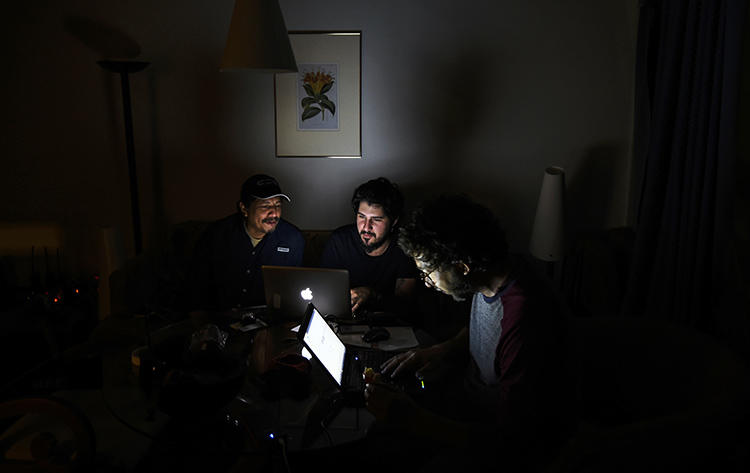
Maduro’s internet blackout stifles news of Venezuela crisis
One of the world’s biggest news stories on March 4 was the daring return to Venezuela of opposition leader and self-proclaimed interim president Juan Guaidó, who faced possible arrest by the authoritarian regime of Nicolás Maduro. But most Venezuelans were unable to follow his homecoming.