
Sri Lankan police raid offices of two news websites
New York, June 29, 2012–The Committee to Protect Journalists calls on authorities in Sri Lanka to immediately stop harassing news outlets. Police in Colombo raided the offices of two opposition news websites today, arresting nine people and confiscating equipment, according to news reports.
High-tech censorship on the rise in East Africa
Ethiopia has always been a country at the cutting edge of Internet censorship in Africa. In the wake of violence after the 2005 elections, when other states were only beginning to recognize the potential for online reporters to bypass traditional pressures, Meles Zenawi’s regime was already blocking major news sites and blog hosts such as…
In Benin, newspapers sanctioned for coverage of officials
Throughout December 2011, HAAC, Benin’s state-run media regulatory agency, summoned more than a dozen newspapers to public hearings and handed them sanctions ranging from a public apology to indefinite suspension, according to news reports. HAAC’s president is appointed by Benin’s head of state, and two-thirds of the agency’s members are appointed by the government, CPJ…
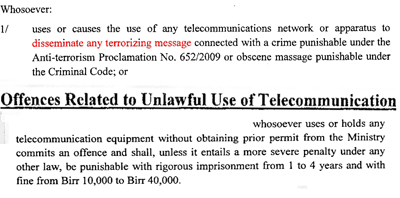
Ethiopian law criminalizes independent telecom use
Nairobi, June 15, 2012–A new law in Ethiopia imposes prison sentences for offenses related to the independent use of telecommunications tools and services, according to local journalists and news reports. The Committee to Protect Journalists is alarmed by broad and vaguely worded provisions of the law, under which journalists could be prosecuted for the methods…
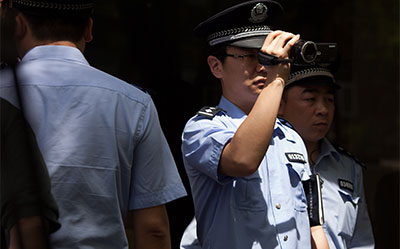

Foreign broadcasters shut down for Cambodian elections
How far has democracy advanced in Cambodia? Not very far. Activists from three different political parties died during the 15-day campaign period leading up to the elections, in which the ruling Cambodian People’s Party won a large majority of seats, according to a report issued by the Committee for Free and Fair Elections in Cambodia…
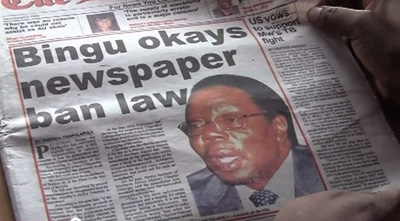
CPJ welcomes Malawi’s repeal of news censorship law
Nairobi, May 31, 2012–The Committee to Protect Journalists welcomes Wednesday’s vote in the Malawi parliament that repealed a sweeping amendment to the country’s penal code which had allowed the government to ban any news “not in the public interest.”