
Eritrea: Ali Abdu pleads ignorance of Dawit Isaac’s fate
On Wednesday, the Swedish newspaper Expressen published what it described as an exclusive interview with Ali Abdu–Eritrea’s long-time information minister, government spokesman, and censor-in-chief–who vanished from public view in November. The piece confirmed that Ali had gone into exile, but it shed no light on the whereabouts and well-being of more than two dozen imprisoned…
Tajikistan blames censorship on complaints by citizens
In the last year, CPJ has documented a disturbing trend of attacks against the press in Tajikistan: the frequent blocking orders that the State Communications Agency has issued to local Internet service providers. Delivered in most instances via text message, the orders urge the ISPs to block nationwide access to local and international news websites…
Journalist Assistance helps record number in 2012
An increase in press freedom violations last year created a surge of need among journalists, driving a record number of assistance cases for CPJ’s Journalist Assistance Program in 2012. More than three-quarters of the 195 journalists who received support during the year came from East Africa and the Middle East and North Africa, reflecting the…
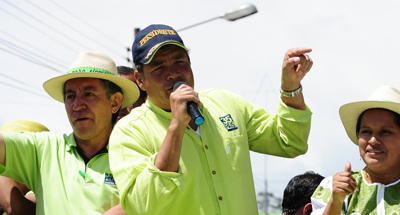
Repression deepens as Correa heads to new term
One result of President Rafael Correa’s high-profile campaign to demonize the country’s private media can be seen on the desk of José Velásquez, news manager at Teleamazonas, a private Quito television station often critical of the government. Among the documents piled high on his desk are lawsuits, which used to be a rare thing. Encouraged by…
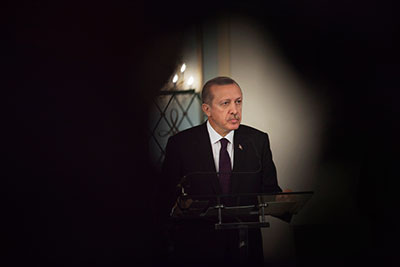
Press freedom: Barometer of the Turkish model
With Turkey recently in the spotlight because of its press freedom record–including dishonorable distinction as the world’s worst jailer of journalists–many international observers wonder how Ankara will overcome its image crisis and whether it will choose to resolutely base its broad strategic ambitions on the respect of global standards of press freedom. A new report…
Authorities block news websites, Facebook in Tajikistan
New York, January 17, 2013–Tajik authorities must lift their order blocking domestic access to at least three news websites that have reported critically about issues such as energy shortages, rising unemployment, and human rights abuses, the Committee to Protect Journalists said today. The order, which also applied to Facebook, is at least the fourth such…

In Southern Weekly versus censors, cautious optimism
There is cautious optimism among China media watchers this morning over the news that a deal has been struck between censors and protesting journalists at China’s Southern Weekly news magazine, which is also known as Southern Weekend. The journalists will not face reprisals for their protest, and propaganda authorities will not repeat the editing stunt…

In China, rebellion grows over Southern Weekly
In the past few days, Chinese journalists and their supporters have launched startlingly direct opposition to Communist Party rule, protesting a heavy-handed move by Guangdong’s provincial propaganda department to unilaterally replace a Southern Weekly editorial on constitutionalism with pro-Party bromides. Defying censors’ directives, media organizations around the country continue to post messages of support of…
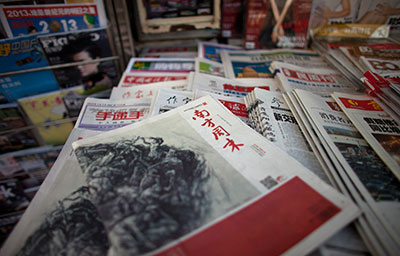
Southern Weekly journalists air anger with Chinese censors
Staffers at the Guangdong-based Southern Weekly magazine have publicly expressed their outrage at the heavy handed intervention of propaganda officials who unilaterally rewrote a New Year’s editorial calling for improved constitutional rule in China. A piece extolling the virtues of the Communist Party ran in its place. Sixty staffers posted an open letter to the provincial government…
Pakistan’s problematic record on Internet restrictions
The fleeting nature of YouTube’s availability in Pakistan this weekend–the site, which has been banned in the country since September, was unblocked for a whole three minutes–is only the latest emblem of Islamabad’s erratic and confounding approach to Internet censorship. Those who have been hoping for less opaque tactics apparently are in for disappointment.