Daniel Pearl Act would shine light on overlooked abuses
This week CPJ congratulated the House sponsors of a bill that would expand the breadth and depth of the State Department’s annual reporting to Congress on press freedom abuses worldwide. The Daniel Pearl Freedom of the Press Act passed the House last month; now the bill is being redrafted for the Senate by the Committee…

Press, politics at center of Eritrean mock trial
Articles published in Eritrea’s now-banned private newspapers are at the center of a mock political trial being filmed as an educational documentary this week at Sandra Day O’Connor College of Law at Arizona State University. Inside a courtroom on the sprawling Tempe, Ariz., campus, a judge of the High Court of Eritrea presides dispassionately, international observers lean into translation…
Special Report: Journalists in Exile 2009
Sri Lankan journalists flee under severe pressure in the past year. Iraq and Somalia, two deadly countries for the press, also rank high in numbers of journalists forced into exile. Hundreds of journalists have been driven into exile this decade. By Karen Phillips
Canada, Australia should step up efforts to free captives
New York, June 11, 2009–The Committee to Protect Journalists urges the Canadian and Australian governments to work for the immediate release of two freelance journalists who have been held captive in the Somali capital, Mogadishu, since August.
Another Sri Lankan journalist attacked
New York, June 1, 2009–The general secretary of the Sri Lanka Working Journalists Association, Poddala Jayantha, was abducted in Sri Lanka today, beaten, and dropped by the side of a road in a Colombo suburb, according to a release by the association and two colleagues who spoke to him.
CPJ calls on Mexico to investigate reporter’s killing
New York, May 26, 2009–The Committee to Protect Journalists issued the following statement in response to the killing of Mexican crime reporter Eliseo Barrón of the Torreón-based daily La Opinión that belongs to the Milenio media group. Barrón was abducted by unidentified hooded gunmen Monday and found dead this morning in the town of Gómez…
Six senators call for Ebrima Manneh’s immediate release
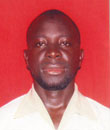
Sen. Richard Durbin (D-Ill.) leads a group of six senators to call for the immediate release of the former state Daily Observer newspaper, “Chief” Ebrima Manneh today. Colleagues at the newspaper say they witnessed two plainclothes Gambian National Intelligence Agency officers whisk Manneh, right, away in July 2006. He has not been seen since despite repeated calls…
Petition seeks a ‘soft law’ ruling in Manneh disappearance
Eyewitnesses saw him being led away. “We were in our Banjul newsroom on July 7, 2006, working on the next issue of the Daily Observer, when two plainclothes officers with the Gambian National Intelligence Agency approached Chief,” wrote Observer editor and correspondent Ousman Darboe. “I knew one of the officers as a Corporal Sey. They…
TV reporter gunned down, cameraman injured in Guatemala
New York, April 2, 2009–The Committee to Protect Journalists called on Guatemalan authorities today to conduct an immediate and thorough investigation into the shooting of a two-man TV crew in Guatemala City on Wednesday. Unidentified gunmen killed veteran reporter Rolando Santiz and injured cameraman Antonio de León.