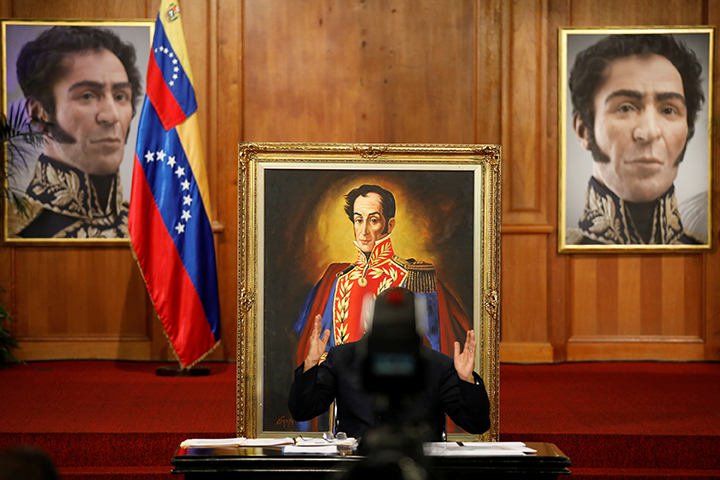
Venezuela Country Safety Page
Updated November 9, 2017 As the political situation in Venezuela continues to deteriorate, journalists covering protests have been routinely targeted, harassed, attacked, and detained. To provide concrete safety information for local and international journalists covering the unrest, CPJ’s Emergencies Response Team is issuing periodic updates on the political situation and the climate for journalists.
Myanmar officials pledge to reform law used to jail journalists
မြန်မာဘာသာ Yangon, Myanmar, June 9, 2017–Legislation to remove criminal penalties from a law used to imprison journalists on defamation charges will soon be introduced in Myanmar’s legislature, a senior official of the Ministry of Information told a visiting delegation from the Committee to Protect Journalists yesterday.
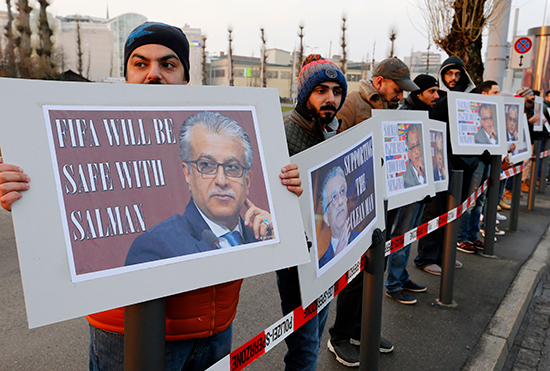
German reporter denied Bahrain visa to cover FIFA congress
New York, May 10, 2017–Bahraini immigration authorities should grant freelance journalist Robert Kempe a visa and ensure that journalists are able to cover international events in the country, the Committee to Protect Journalists said today. Kempe told CPJ that Bahrain denied him a visa to cover FIFA’s 2017 Congress, which is being held in the…
Eluding the Censors
For all its faults, Facebook is a lifeline for journalists in less developed countries By Karen Coates Squeezed between China and Vietnam, Phongsali is the northernmost province of Laos, a land of mountains, valleys and isolated villages that is home to more than 15 ethnic groups. As recently as a few years ago, news traveled…
Edited by Drug Lords
Mexican journalists navigate threats and censorship by cartels By Elisabeth Malkin Adrián López Ortiz, the general director of Grupo Noroeste, a media group that owns the newspaper Noroeste in the northwestern Mexican city of Culiacán, was driving home from the airport in April 2014 when an SUV intercepted him. Two armed men got out and…
Willing Accomplice
Collusion by the Turkish media compounds the country’s crisis By Andrew Finkel Turkey’s bloody, failed military coup on July 15, 2016, and the ruthless crackdown that followed are testament to the country’s escalating crisis of democracy. Though the crisis had been developing for years, with journalists and independent media outlets facing intense legal pressures from…