Remembering Camille Lepage
“Not sure I can talk about my ‘career’ just yet–I’m still just getting started!” freelance photographer Camille Lepage told the photography site Petapixel in October 2013.Less than a year later, Lepage’s body was found in a car in the Central African Republic, according to news reports citing the French government. She had been traveling with fighters of…
Advertising and Censorship in East Africa’s Press
The printed word is thriving in parts of Africa, but advertisers’ clout means they can often quietly control what is published. By Tom Rhodes Kenyans read election coverage in the Mathare slum in Nairobi, the capital, on March 9, 2013. One reason that advertising revenue trumps circulation for East Africa’s newspapers is that readers often…
Attacks on the Press in 2013: Uganda
Though attacks against the press diminished compared with recent years, authorities continued to crack down on journalists for critical coverage. Police were accused of being the perpetrators in a third of the assaults on journalists. The government instigated the longest arbitrary suspension of the press in recent years after police raided two dailies, The Monitor…
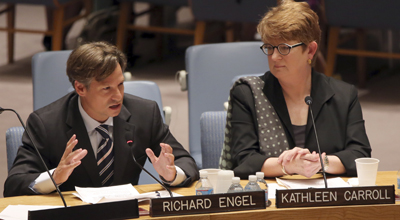
After Security Council, what next for journalist safety?
Speaking at a U.N. Security Council discussion about the protection of journalists, Associated Press Executive Editor and CPJ Vice Chair Kathleen Carroll remembered the 31 AP journalists who have died reporting the news and whose names grace the Wall of Honor that visitors pass as they enter the agency’s New York headquarters. Most were killed…
News from the Committee to Protect Journalists, May 2013
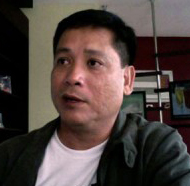
Gunman sentenced in murder of Philippine journalistCPJ has extensively covered the case of radio journalist Gerardo Ortega, who was killed in January 2011 in the Philippines, and has provided non-financial support for the Ortega family. Through our Global Campaign Against Impunity and the new digital component Speak Justice: Voices Against Impunity, CPJ has also pressured the Philippine government to…
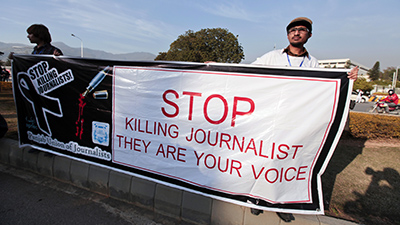
Pakistan’s new effort to improve safety, combat impunity
Representatives from 40 Pakistani and international press groups, development organizations, and media houses came together in Islamabad last week to discuss ways to better protect local journalists at risk of violence, and means to combat the virtually perfect record of impunity that assailants enjoy in this country. It’s none too soon. Three journalists have died…
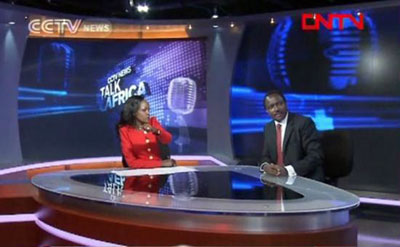
China’s media footprint in Kenya
Will China’s quickly expanding media presence in Africa result in a fresh, alternative, and balanced perspective on the continent–much as Al-Jazeera altered the broadcast landscape with the launch of its English service in 2006–or will it be essentially an exercise in propaganda?
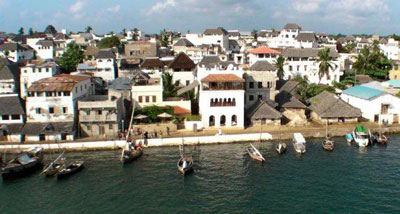
The hazards of reporting all sides of the Lamu port story
Freelance photographer Abdalla Bargash had accompanied Kenya’s permanent secretary for transport, Cyrus Njiru, to cover a meeting with Lamu community members over the newly constructed Lamu port. The Kililana Farmers’ Association are concerned that the major construction on the once-sleepy island of Lamu off Kenya’s coast could encroach on their farmland.