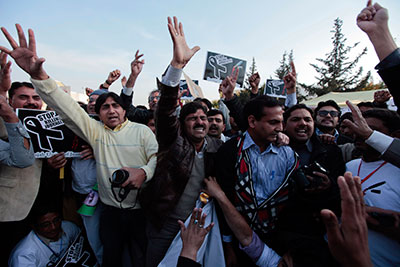
From Islamabad to Hyderabad, journalist safety at issue
Owais Toheed, head of ARY News, cancelled his speaking slot for Wednesday at the conference I’m attending in Islamabad. Organized by UNESCO, the Open Society Foundations, Intermedia, and International Media Support, the meeting’s title says it all: International Conference on Safety and Security of Journalists in Pakistan. The reason Toheed couldn’t attend is because he…
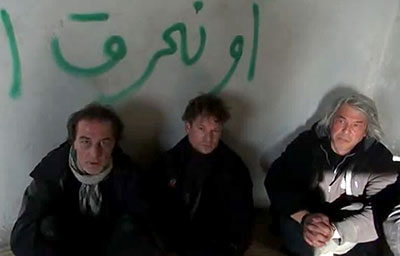
Do news blackouts help journalists held captive?
At any given time over the past two years, as wars raged in Libya and then Syria, and as other conflicts ground on in South Asia and sub-Saharan Africa, a number of journalists have been held captive by a diverse array of forces, from militants and rebels to criminals and paramilitaries. And at any given…
Attacks and censorship erode press freedom worldwide
New York, February 14, 2013–An unprecedented rise in the number of journalists killed and imprisoned in the past year coupled with restrictive legislation and state censorship is jeopardizing independent reporting in many countries, according to Attacks on the Press, a yearly assessment of global press freedom released today by the Committee to Protect Journalists.
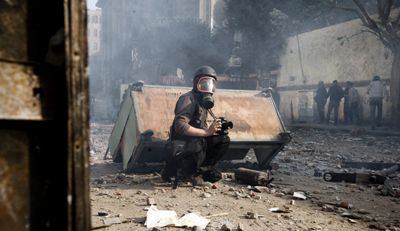
Attacks on the Press in 2012
A news crew crossing into Syria walks for three nights, legs aching and lungs burning, edging past army checkpoints to cover a war the government wants to obscure. A Liberian reporter dares to expose a dangerous ritual even as menacing strangers deliver death threats to her office. In central Mexico, a drug cartel’s vicious takeover…
Attacks on the Press in 2012: Iraq
For the first time since 2003, CPJ did not document any work-related fatalities in Iraq. Still, central government officials and Kurdish regional authorities used threats, harassment, attacks, and imprisonment to suppress critical news coverage throughout the year. The central government’s media regulator ordered 44 local and international news outlets shut down in June for supposed…