
In Index, a pattern of death, a roadmap for solutions
Gerardo Ortega’s news and talk show on DWAR in Puerto Princesa, Philippines, went off as usual on the morning of January 24, 2011. Ortega, like many radio journalists in the Philippines, was outspoken about government corruption, particularly as it concerned local mining issues. His show over, Ortega left the studios and headed to a local…
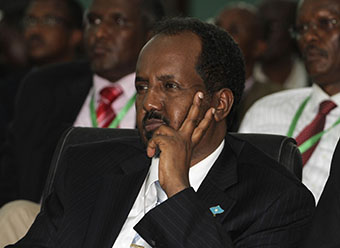
Impunity in journalist killings muzzles press
CPJ Impunity Index: Nigeria enters ranking; Somalia, Pakistan, Brazil and Mexico persist New York, May 2, 2013–Unpunished, deadly violence continues to plague the press globally and has notably increased in Nigeria, according to the 2013 Impunity Index, the Committee to Protect Journalists’ annual ranking of countries where journalists are murdered regularly and their killers go…
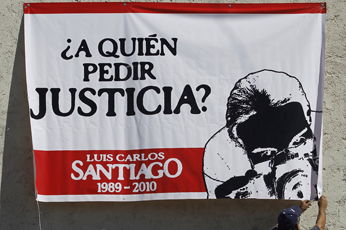
News from the Committee to Protect Journalists, April 2013
A legislative milestone in Mexico In what CPJ called “a step forward in the fight against impunity,” Mexico approved legislation that would implement a constitutional amendment giving federal authorities broader jurisdiction to prosecute crimes against freedom of expression. The legislation, passed on April 25, will implement a constitutional amendment approved by the Mexican federal congress in 2012. The measure…

In 2 major efforts, journalist security tailored to fit
In the past, donors and groups providing security to journalists in less-developed nations tended to export a Western, military-style of training designed for a war-time environment. But the danger of covering combat is one thing. Being fired upon by a motorcycle-riding assassin is another–as is being sexually molested in a crowd, discovering a video camera…
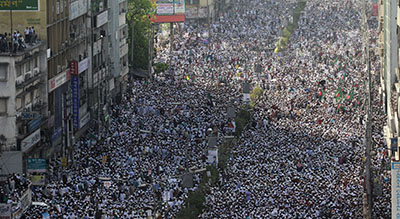
In Bangladesh, climate worsens for journalists
This past weekend, hundreds of thousands of Islamists took to the streets in Bangladesh’s capital, Dhaka, demanding death for bloggers whose work they see as blasphemous. The demonstrations highlight the deteriorating climate for journalists, both those whose work is the target of the protests and those who have tried to cover the events. Several journalists…
Challenged in China
3. Made in China: Models for media and censorship By Danny O’Brien and Madeline Earp As the founding editor, in 2005, of the Liberian online investigative news site FrontPage Africa, Rodney Sieh has fought off lawsuits, imprisonment, and death threats. In the face of such pressures, he has still managed to expand the website into…
China’s new leadership faces censorship challenge
New York, March 11, 2013–China’s new leaders will face unprecedented challenges to controlling the media, even as journalists’ efforts to test the system continue to carry great risk, according to a new report by the Committee to Protect Journalists. CPJ’s report, “Challenged in China: The shifting dynamics of censorship and control,” finds that cracks in…