Crackdown on the Independent Press in Cuba
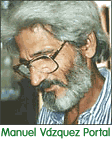
El escritor y poeta Manuel Vázquez Portal es uno de los 29 periodistas independientes que fueron detenidos, procesados y sentenciados a penas de prisión de entre 14 y 27 años. En las filas de la prensa independiente desde 1995, en enero de 1999 Vázquez Portal, junto a otros periodistas, fundó la agencia noticiosa independiente Grupo…
National media outlets agree to curb reporting on terrorism
New York, April 11, 2003—The Committee to Protect Journalists (CPJ) is concerned about the “Anti-Terrorist Convention,” which was signed on Tuesday, April 8, by directors of several leading national broadcast media outlets, who agreed to accept voluntary restrictions on their coverage of terrorism and anti-terrorist government operations. The media executives who signed the agreement (click…
CPJ condemns detention of journalist
Your Excellency: The Committee to Protect Journalists (CPJ) condemns the prolonged detention of South Korean photojournalist Jae Hyun Seok, who was arrested on January 17. Seok is expected to appear for a court hearing within the next few days, according to his family. Seok was arrested while photographing the exodus of 48 North Korean refugees…
Attacks on the Press 2002: Preface
Many reporters find themselves in a dilemma when the press comes under attack. Our pride, our institutional and tribal loyalties, all clamor for a retort. We may be the bearers of bad tidings, but we are not their cause. If the truth is inimical to you, we want to argue, assailing us will not alter…
Attacks on the Press 2002: Asia Analysis
The vicious murder of Wall Street Journal reporter Daniel Pearl in Pakistan focused international attention on the dangers faced by journalists covering the U.S. “war on terror,” yet most attacks on journalists in Asia happened far from the eyes of the international press. In countries such as Bangladesh and the Philippines, reporters covering crime and…
Attacks on the Press 2002: Bosnia and Herzegovina
Bosnia and Herzegovina’s lively media reported on numerous corruption and political scandals in 2002, from bomb threats against the U.S. Embassy in the capital, Sarajevo, to the government’s involvement in weapons sales to Iraq. The astonishing number of scandals reflected fragile government institutions and the existence of two ministates within the country: Republika Srpska and…
Attacks on the Press 2002: Burkina Faso
2002 was a particularly tough year for President Blaise Compaoré, as accusations mounted that he is one of West Africa’s most corrupt leaders and supports insurrection in neighboring Ivory Coast. Members of the media covering the corruption have been harassed, while the December 1998 murder of journalist Norbert Zongo remains unsolved.
Attacks on the Press 2002: Burundi
President Pierre Buyoya’s government remained wary of political opposition and critical press reports during 2002. Meanwhile, government attempts to identify war criminals following Burundi’s eight-year civil war between the Tutsi-led regime and the Hutu-backed opposition stalled when peace talks collapsed again on November 7, and the conflict continued intermittently.