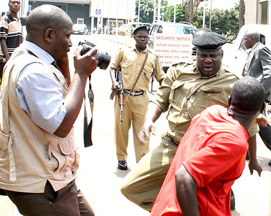
In Uganda, citizen journalists fill news gap during riots
Last week in Uganda, authorities reacted to violent anti-government demonstrations, at left, by yanking at least four radio stations off the air and banning political programming and some journalists from the airwaves. I have been covering the Ugandan blogosphere for Global Voices for more than two years. News of the violence first reached me on…
CPJ tells Clinton of threats to women journalists in Congo
Dear Secretary Clinton: In light of your recent advocacy on behalf of Congolese women during your visit to Goma, in eastern Democratic Republic of Congo, we are writing to bring to your attention our deep concerns about the safety of three reporters covering women’s issues in Bukavu, south of Goma.
Afghan journalists call for justice in Munadi’s death
A large group of Afghan journalists met on Sunday in Kabul. They were angry about the death of New York Times journalist Sultan Mohammed Munadi in the September 9 British-led rescue attempt to free him and Times’ reporter Stephen Farrell, who survived unharmed, from kidnappers. After the meeting, they sent me a list of demands…
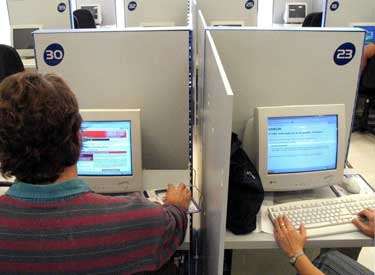
Special Report: Chronicling Cuba, bloggers offer fresh hope
A vibrant, independent blogging culture is emerging in Cuba, of all places. Numerous journalistic blogs are exploring important social and economic issues. Will the regime crack down, or is a new era dawning? By Carlos Lauría and María Salazar Ferro
Kazakh editor imprisoned for collecting state secrets
New York, August 26, 2009–The Committee to Protect Journalists calls on the Taraz Regional Court in southern Kazakhstan to overturn on appeal a jail sentence given to Ramazan Yesergepov, the editor of the independent Almaty-based weekly Alma-Ata Info.
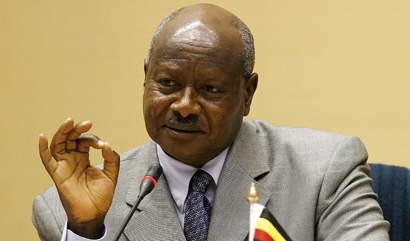
Uganda’s Museveni issues warning to news media
President Yoweri Museveni of Uganda lashed out at private broadcasters last week, accusing them of unethical reporting. The comments come in the midst of two important, ongoing developments: mounting public criticism of Museveni’s policies and the government’s criminal prosecutions of six journalists for their coverage.