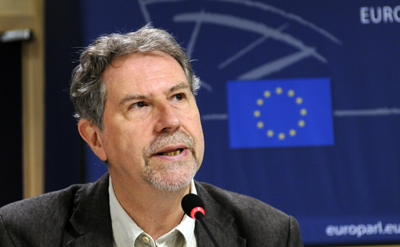
DRC denies entry to independent Belgian journalist
Abuja, Nigeria, July 10, 2012–A Belgian journalist who released a critical documentary on the murder of a human rights activist was denied entry into the Democratic Republic of the Congo on Sunday. The Committee to Protect Journalists denounces the country’s decision to block Thierry Michel entry into the country for what seems to be an…
In Rwanda, radio presenter detained without charge
New York, May 18, 2012–Authorities in Rwanda have imprisoned a radio presenter without charge since April 24 for allegedly uttering a phrase deemed offensive to the survivors and victims of the 1994 genocide, according to local reports and local journalists.
Introduction: A New World of News
The world is an increasingly dangerous place for journalists. On average, more than 30 journalists are murdered every year, and the murderers go unpunished in nearly nine of 10 cases. Hundreds of journalists each year are attacked, threatened, or harassed. Many are followed or have their phone calls and Internet communications intercepted. More than 150…
Organized Crime and Corruption
Crime and corruption are extremely dangerous beats, CPJ research shows. Thirty-five percent of journalists killed worldwide since 1992 covered these two topics. The lines between political and criminal groups are blurred in many nations, raising the risk for reporters. From Mexico to Iraq, criminal groups are operating increasingly like armed political forces, and armed political…
Natural Disasters
Earthquakes, hurricanes, tornadoes, floods, tsunamis, cyclones, monsoons, volcanic eruptions, fires, avalanches, and landslides can all strike with little or no warning. Breakdowns in communication, transportation, and power should be expected. The ability to either report or disseminate information may also be impaired.
Health Epidemics and Mass Hazards
Outbreaks of the Ebola virus in Central Africa, the Severe Acute Respiratory Syndrome, or SARS coronavirus, in Asia, the H1N1 virus in tropical and other regions of the world, and cholera in Haiti are all examples of health epidemics that severely tested news media. Events involving bioterrorism as well as chemical and radiation emergencies pose…
Sustained Risks
Many of the risks described in this guide are specific to a particular assignment. But critical journalists working in repressive or hostile environments often face routine harassment and constant threat. Consider the groups most responsible for murdering journalists in recent decades worldwide. Anti-government groups, including terrorists, are responsible for nearly one-third of all journalist murders,…
Stress Reactions
Post-traumatic stress is a normal reaction to abnormal events. Stress can affect not only war correspondents, but journalists covering any tragedy involving pain or loss of life. Death penalty executions, random shootings, terrorist bombings, sexual assault, sexual abuse of children, domestic violence, suicides, and bullying are among the stories that can cause extreme stress.
Conclusion: The World Ahead
In many ways, the dangers facing journalists are unchanged over several decades. Some of the broadest, most indiscriminate attacks on the press came in 2011, during uprisings demanding democratic reforms. Government officials and ruling party militants in Egypt attacked more journalists more blatantly over a shorter span than in any time in memory. Journalists of…