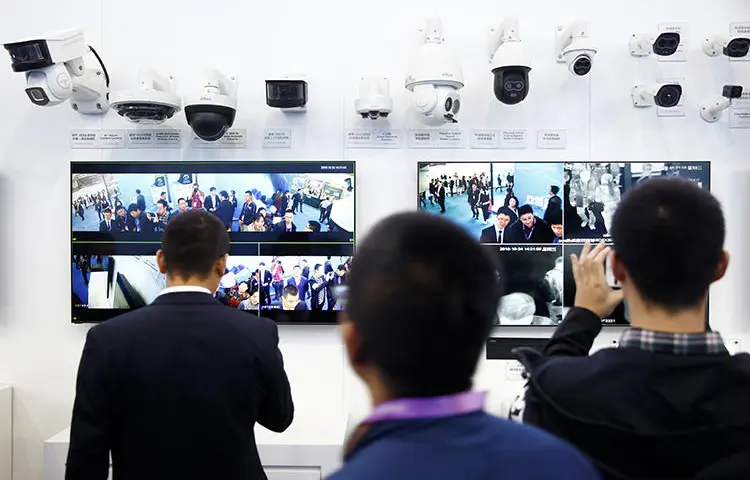
Surveillance tops foreign correspondents’ concerns in China, FCCC finds
Working conditions for foreign correspondents in China further deteriorated in 2018, according to the Foreign Correspondents’ Club of China annual survey. The report, “Under Watch: FCCC Annual Working Conditions Report 2018,” highlights growing digital and human surveillance, as well as government interference in reporting in China.
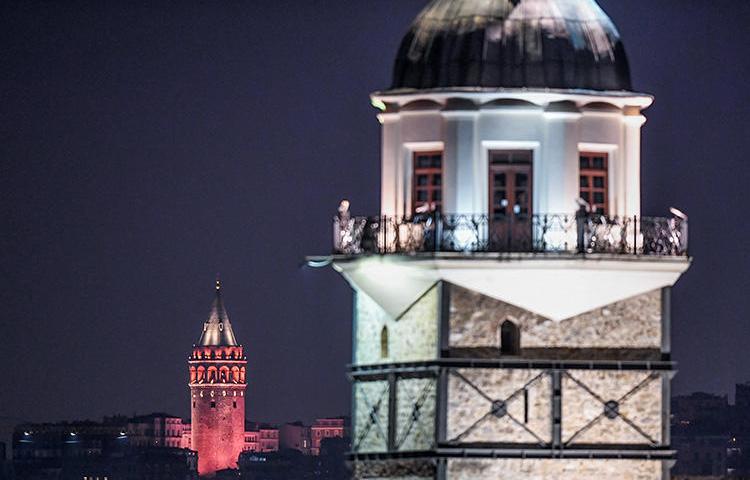
Turkey Crackdown Chronicle: Week beginning January 20, 2019
Jailed journalist Nazlı Ilıcak sentenced to extra 5-year prison term An Istanbul court on January 22 sentenced veteran journalist Nazlı Ilıcak to five years and 10 months in prison for “exposing secret documents,” the news website Diken reported. Ilıcak, who worked most recently with shuttered outlets Can Erzincan TV and the daily Özgür Düşünce, is…

CPJ joins letter expressing concern about proposed cyberspace law in Venezuela
The Committee to Protect Journalists joined more than 30 regional and international rights organizations expressing concern about a proposed law in Venezuela that would expand the powers of the government to control and monitor internet use without institutional checks.
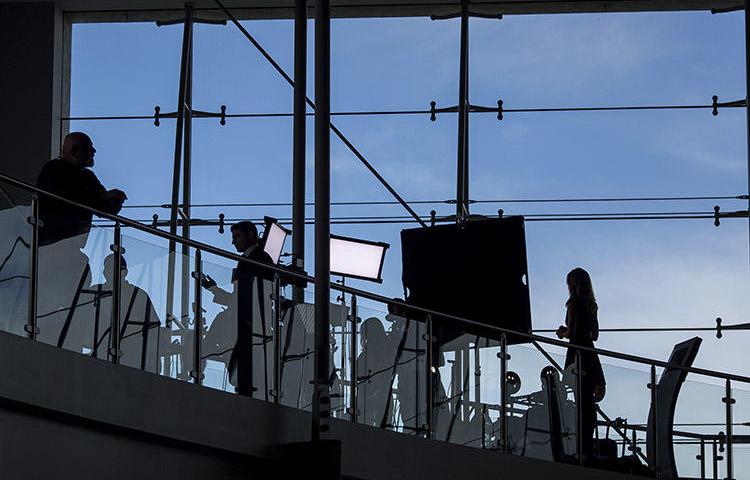
For local female journalists in US, rape threats, stalkers, harassment can come with the beat
In 2016, the FBI told a local TV journalist that she wasn’t safe sleeping in her own home. Her TV station, which covers a major American city, hired an off-duty police officer to guard the parking lot when she arrived at work. Even for a journalist covering organized crime, such measures may seem extreme–but her…
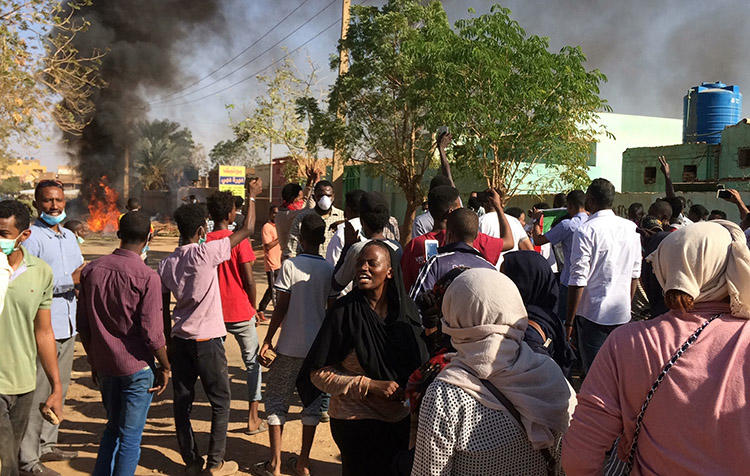
Sudan responds to anti-Bashir coverage with censorship and arrests
“We were all journalists, so we went to work. We wrote about what happened to us that day,” Ashraf Abdelaziz, editor-in-chief of the privately owned al-Jarida daily told me over the phone this week, while recounting how he and his colleagues reported on their own arrest while still in detention.
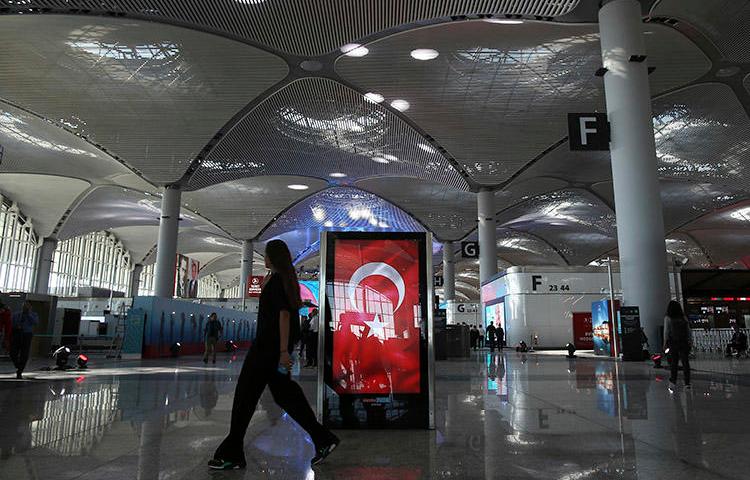
Turkey Crackdown Chronicle: Week of January 13, 2019
Turkey deports Dutch journalist Authorities on January 17 deported Ans Boersma, a Dutch freelance journalist based in Istanbul, BBC Turkish reported. The journalist was taken into custody the day before, when she tried to renew her residence permit at the Foreigners’ Office in Istanbul. She was detained overnight at a police station, and put on…
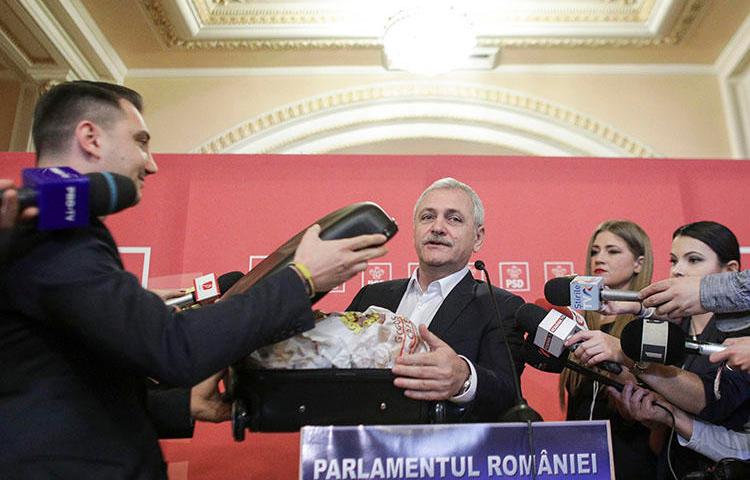
In Romania, EU data protection law used to try to muzzle Rise Project
Finding a suitcase full of documents is every journalist’s dream. But for the investigative outlet Rise Project, it quickly turned into a legal nightmare after Romanian authorities filed a complaint under the EU General Data Protection Regulation (GDPR) ordering the outlet to reveal its sources or pay a fine of up to 20 million euros…

CPJ joins call for Zimbabwe to restore internet and social media access
The Committee to Protect Journalists joined more than 20 rights organizations and the #KeepItOn Coalition to call for authorities in Zimbabwe to restore internet and social media services, commit to maintaining internet access, and encourage accountability from telecommunication and internet service providers to respect human rights.
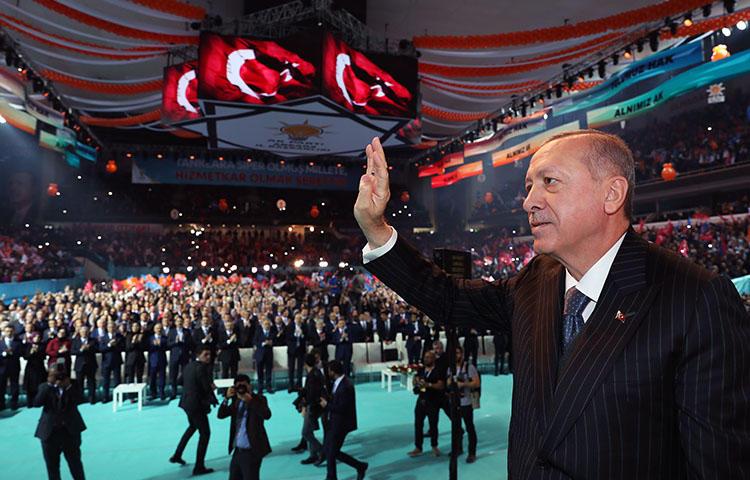
Turkey Crackdown Chronicle: Week of January 7, 2019
Erdoğan says Turkish media is ‘more democratic’ In a message to mark Working Journalists’ Day–a local press freedom day on January 10–Turkish President Recep Tayyip Erdoğan said, “The reforms actualized in the past 16 years have enabled the Turkish press to be richer, diverse, and meet a more democratic and liberal structure,” Duvar reported.
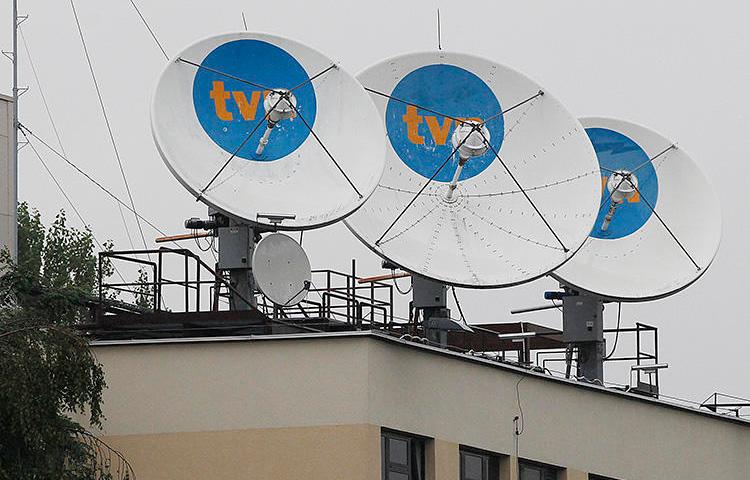
Gagging orders, legal action, and communist era laws used to try to ‘choke’ Polish press
Polish security agents enter the house of a prominent TV journalist over accusations that he propagated Nazi propaganda. Police summon a reporter over claims that he breached the privacy of the vice-head of the constitutional court. And Poland’s central bank files gagging orders against two papers, demanding they remove several articles about a corruption scandal…