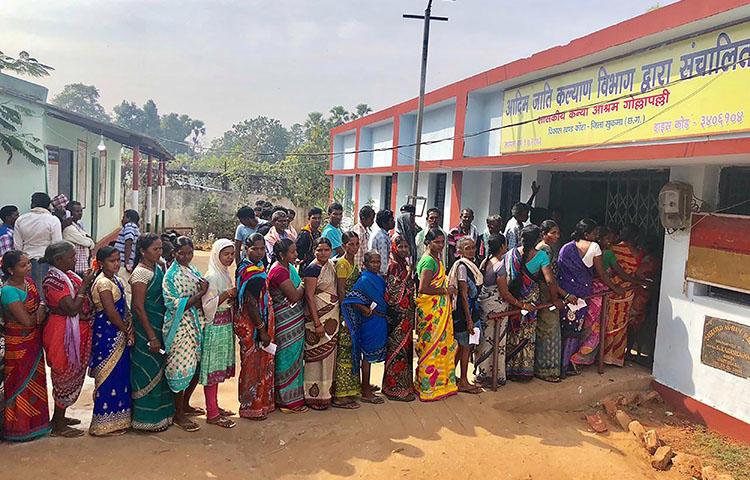
Chhattisgarh’s plan for journalist safety law could be template for all India
Every day for two years, freelance journalist Santosh Yadav must walk the 50 or so yards from his home to the Darbha village police station in Bastar, Chhattisgarh, to sign a register. Just one missed day could immediately land him back in prison as he awaits trial on anti-terror charges. A police commander said that…

CPJ joins call for Nigeria to ensure internet and social media services remain connected during elections
The Committee to Protect Journalists joined more than 15 rights organizations and the #KeepItOn Coalition to call for Nigerian authorities to ensure that internet and social media services remain connected during upcoming elections, and safeguard internet speeds of websites and messaging applications. In early February, Nigeria’s federal government denied rumors of plans to shut down…
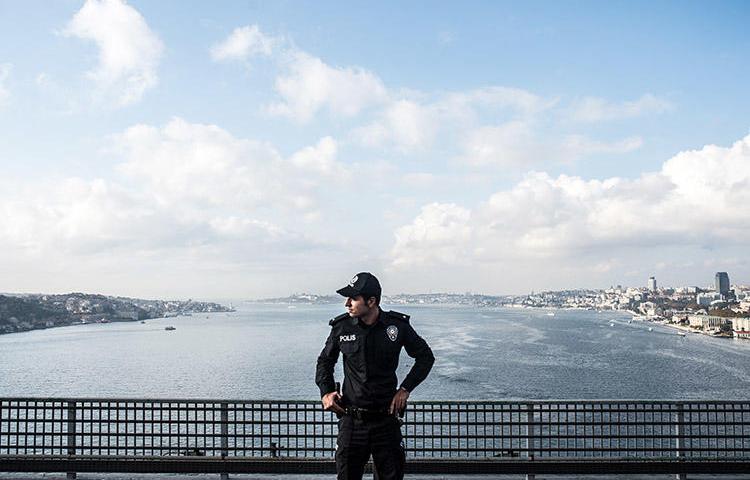
Turkey Crackdown Chronicle: Week of February 10
Police detain two journalists in separate raids Police on February 12 detained Salih Turan, a freelance journalist who formerly worked for the U.S. government-funded broadcaster Voice of America and the Kurdish service of the Russian-state-funded outlet Sputnik, on accusations of “making propaganda of a [terrorist] organization” on social media and “being a member of a…
Ghana won’t have press freedom without accountability
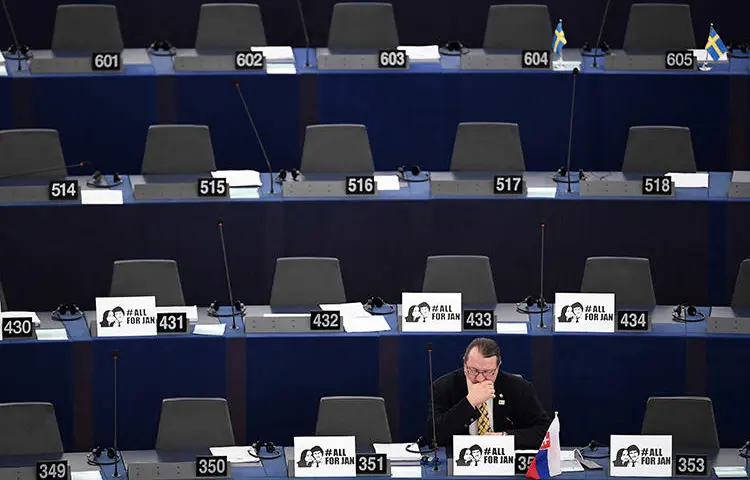
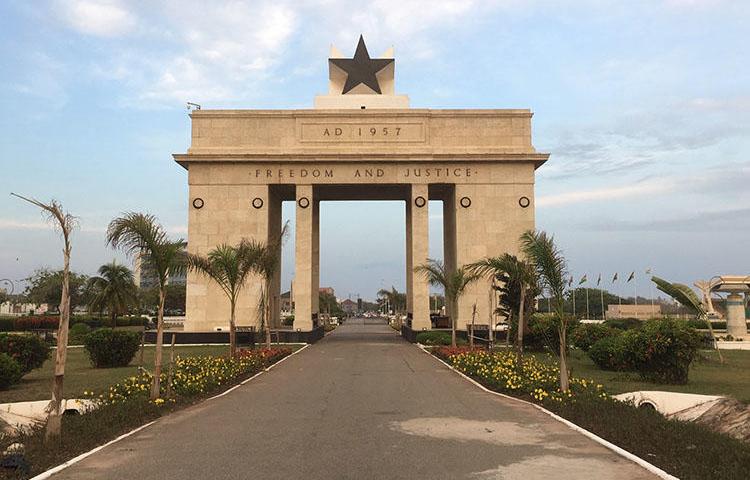
Three bullets, fired at close range by two assassins on a black and blue Boxer motorbike on January 16, 2019, killed investigative journalist Ahmed Hussein-Suale Divela, according to Sammy Darko, a lawyer working on Divela’s case. Darko told CPJ over the phone that bystanders saw it happen. Ghana’s media community, international rights groups (including CPJ),…
Turkey Crackdown Chronicle: Week of February 2, 2019
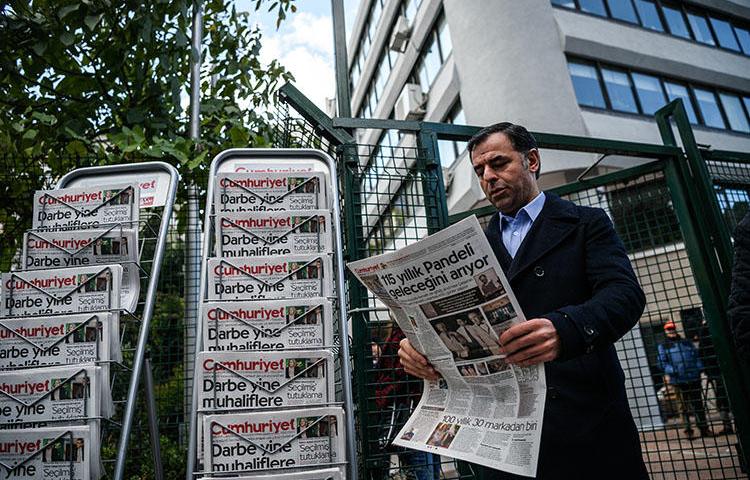
Court convicts parliamentary deputy and editor Barış Yarkadaş An Istanbul court on February 7 convicted Barış Yarkadaş, the parliamentary deputy for the main opposition party CHP and former chief editor of the online newspaper Gerçek Gündem, of “violating the secrecy of private life” and handed him a suspended 10-month prison sentence, the news website Gazete…
Turkey Crackdown Chronicle: Week of January 28, 2019
Düzkan starts jail term for Özgür Gündem campaignJournalist Ayşe Düzkan started serving an 18-month prison sentence in Bakırköy Women’s Prison in Istanbul on January 29 over her participation in a solidarity campaign with the daily newspaper Özgür Gündem, the independent news website Bianet reported. A court sentenced Düzkan in November. Before turning herself in, Düzkanb…
From fake news to enemy of the people: An anatomy of Trump’s tweets
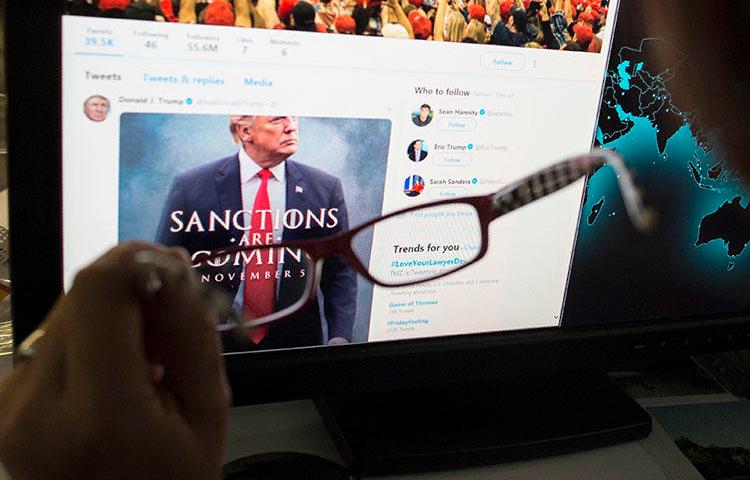
Since announcing his candidacy in the 2016 presidential elections to the end of his second year in office, U.S. President Donald Trump has sent 1,339 tweets about the media that were critical, insinuating, condemning, or threatening. In lieu of formal appearances as president, Trump has tweeted over 5,400 times to his more than 55.8 million…

Q&A: Rodney Sieh on how Liberia’s press is faring under Weah presidency
Rodney Sieh, editor-in-chief and publisher of Liberian investigative outlet FrontPageAfrica, knows first-hand the harassment and risks critical journalists in his country face. In 2013, CPJ documented how he was sentenced to prison over unpaid fines in a criminal defamation case.