First Draft’s Aimee Rinehart on fact-checking coronavirus misinformation
While digital communication enables the public to receive critical information about the COVID-19 pandemic in real time, the same tools are enabling an “infodemic” of misinformation that “can hamper an effective public health response and create confusion and distrust,” according to the United Nations.
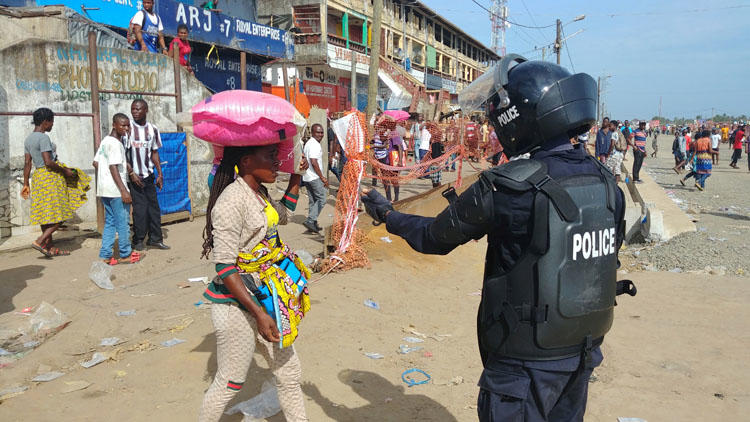
Liberia’s journalists wary as authorities announce new press passes, threaten shutdowns
When the coronavirus arrived in Liberia, local journalists knew what it meant to report on a deadly, infectious disease; six years earlier they had donned personal protective equipment (PPE) to report on the Ebola crisis, Musa Kenneh, the Press Union of Liberia’s secretary general, told CPJ. But this time, Kenneh said, threatening comments from government…
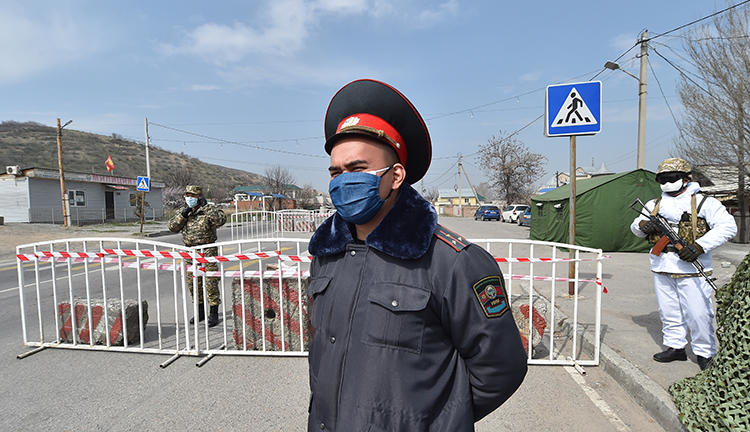
COVID-19 lockdowns pose challenges for imprisoned journalists observing Ramadan
This year, the Islamic month of Ramadan, which started on April 24 and will continue through May 23, is particularly challenging for Muslim journalists in jail to observe safely, their family members and friends told CPJ.
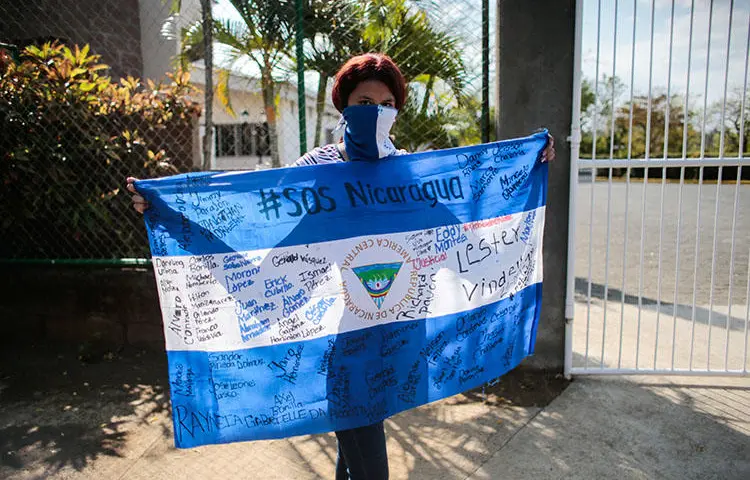
YouTube censors independent Nicaraguan news outlets after copyright complaints from Ortega-owned media
Miguel Mora, director of the independent Nicaraguan news outlet 100% Noticias, oversaw its move online after its television broadcast license was revoked by the government in April 2018. He and his colleagues transferred their archives onto two YouTube accounts and used them to continue documenting the government’s repressive response to escalating protests in the months…
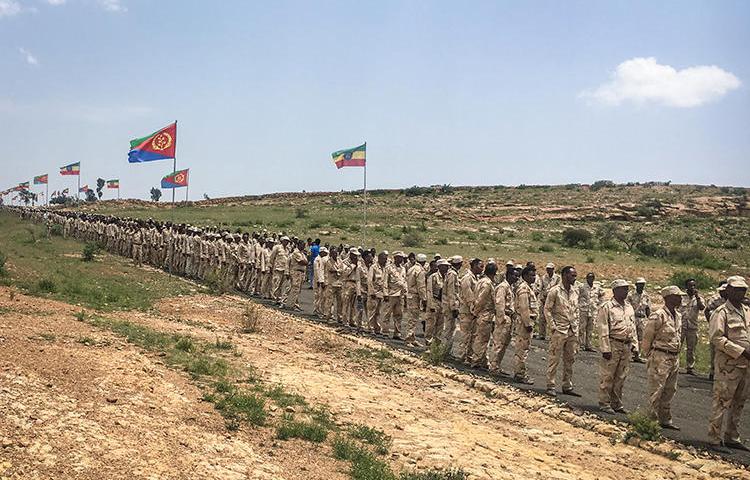
CPJ joins letter calling on UN Human Rights Council to maintain pressure on Eritrea
The Committee to Protect Journalists joined 23 other free speech and human rights organizations in a letter sent yesterday urging the United Nations Human Rights Council to extend the mandate of the special rapporteur on the human rights situation in Eritrea.
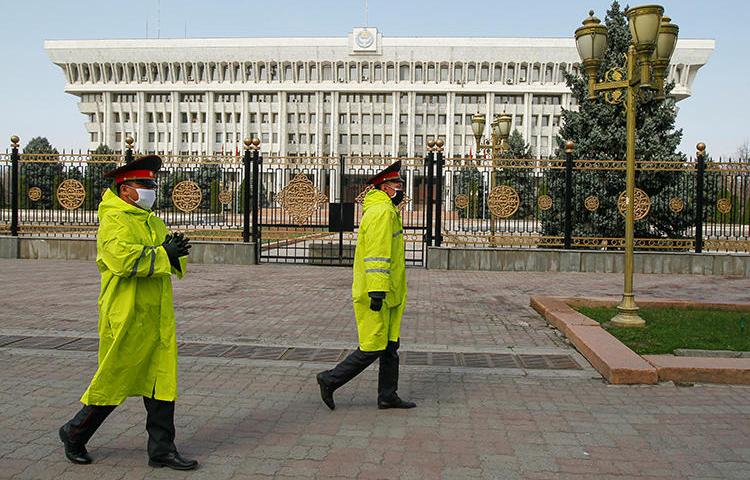
CPJ joins letter expressing concern about Kyrgyzstan media restrictions during pandemic
CPJ and 23 other members of IFEX, a global network of free expression organizations, sent a letter yesterday expressing concern over the press freedom implications of Kyrgyzstan’s COVID-19 state of emergency, which has been in place since March 22.
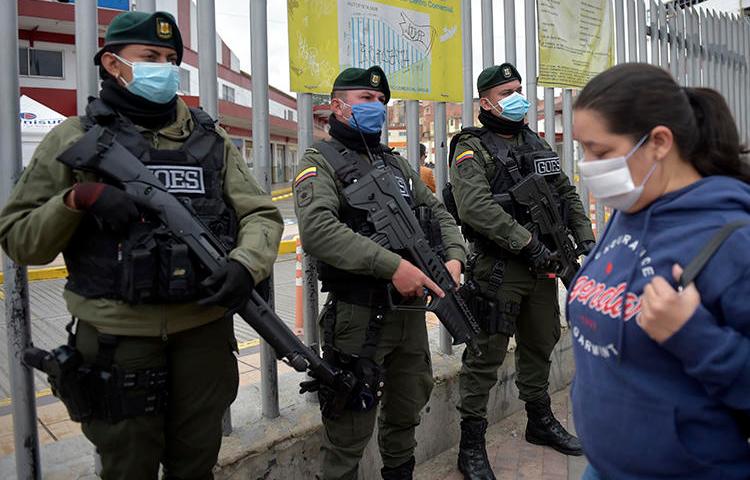
CPJ joins letter calling on Colombia to strengthen protections for journalists
The Committee to Protect Journalists on May 4 joined more than 100 civil society organizations in an open letter calling on Colombia’s National Protection Unit to adopt measures to ensure the safety of journalists and other human rights defenders under increased threat due to the COVID-19 pandemic.
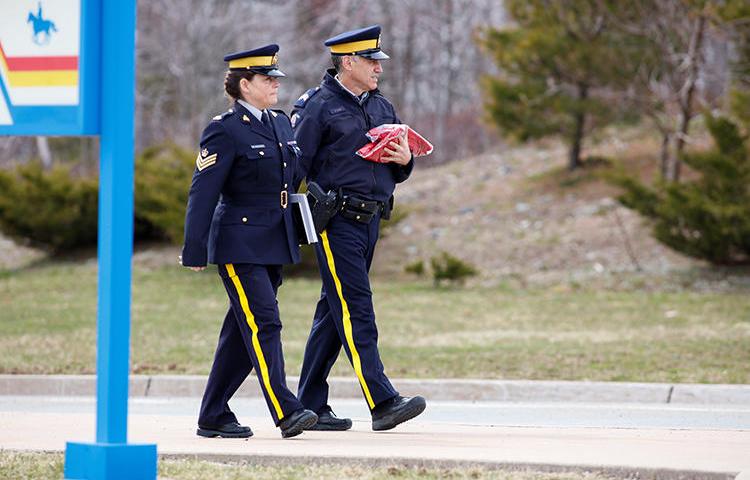
Halifax Examiner’s Tim Bousquet on covering a mass shooting in a pandemic
When news broke that a gunman had killed at least 22 people in Nova Scotia on April 18 and 19, the Halifax Examiner, a small independent local news website, began piecing together how the deadliest mass shooting in Canada’s history had occurred.
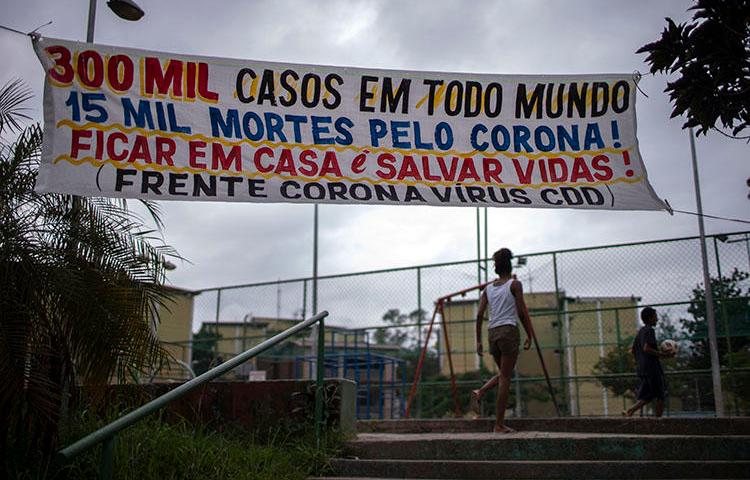
In Brazil, Rio’s community journalists face daily challenges informing favela residents about COVID-19
Before the COVID-19 pandemic hit, Gizele Martins and Raull Santiago—community journalists from Rio de Janeiro’s favelas—worked to bring accurate news and information to the local population and to give visibility to their struggles. Their organizations are among dozens of media groups founded by residents of Rio’s favelas and other marginalized areas aiming to challenge stereotypes,…
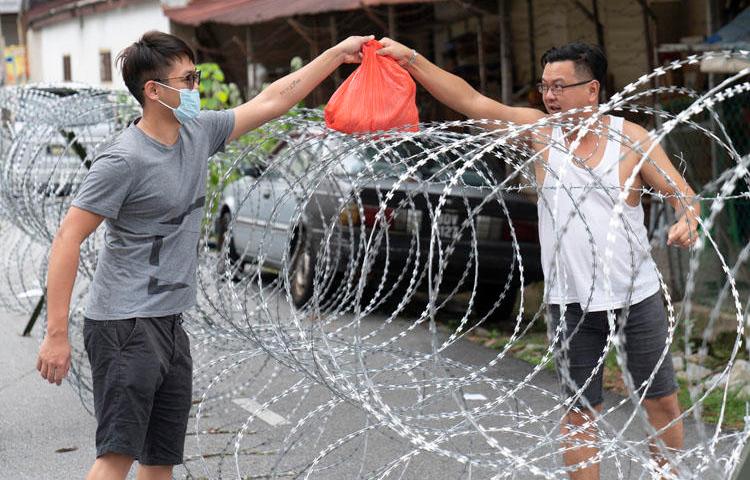
Malaysian journalist faces six years in prison over COVID-19 Facebook posts
When Malaysian journalist Wan Noor Hayati Wan Alias criticized a government decision to allow a cruise ship with Chinese tourists to dock and disembark at the coastal city of Penang in late January, a time when China was at the epicenter of the COVID-19 global pandemic, she was criminally charged with causing a public panic.