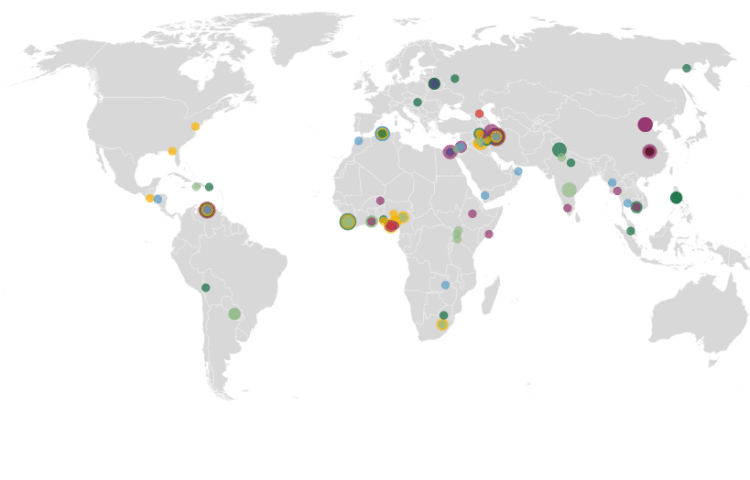
Map: Attacks on press freedom during the COVID-19 pandemic
Updated June 22, 2021 CPJ has documented numerous press freedom violations since the start of the COVID-19 pandemic, from legislation threatening to censor free speech to arrests of journalists providing the public with vital news about the virus. This map plots violations, verified by CPJ staff, across nearly every region of the world from early…
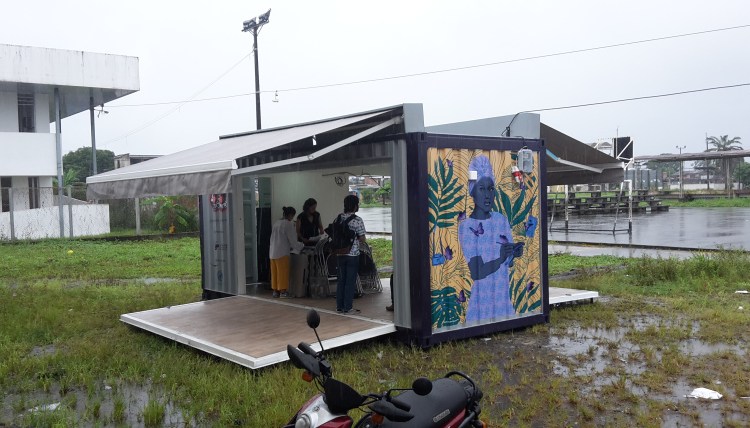
In Colombia, a shipping container on wheels brings a roving reporting workshop to news deserts
Can the key to ending news blackouts in isolated areas of Colombia come from inside a shipping container? The Bogotá-based Foundation for Press Freedom (FLIP) thinks so. In an experiment to turn community activists into reporters in regions that lack local news outlets, FLIP has converted a shipping container into a roving journalism classroom. For…
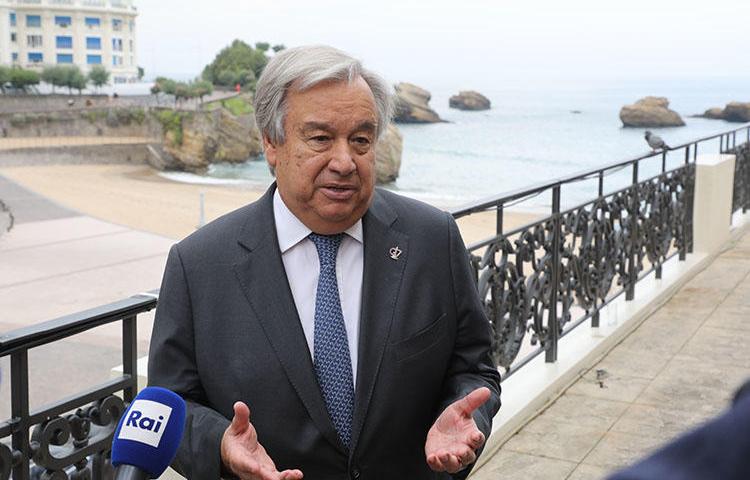
UN Secretary General responds to #FreeThePress campaign call to action
In a letter this week to the partners of the 2020 #FreeThePress campaign, UN Secretary General Antonio Guterres emphasized that freedom of the press and the safety of journalists remains a key priority for him, stressing that, “No democracy can function without press freedom, which is the cornerstone of trust between people and their institutions,…
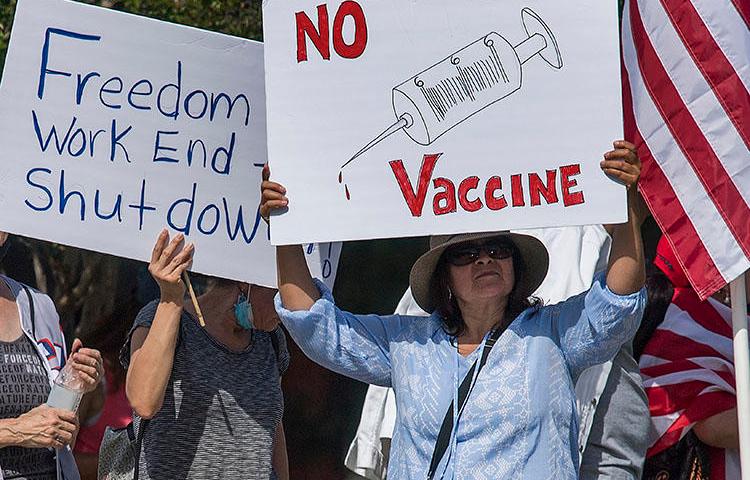
NY Times reporter Davey Alba on covering COVID-19 conspiracy theories, facing online harassment
Over the course of Davey Alba’s career as a tech reporter, her beat has transformed from covering the latest gadgets and phones to investigating the creeping influence and massive power wielded by tech companies over peoples’ everyday lives. As the coronavirus pandemic has spread across the globe, Alba, who covers tech and disinformation at The…
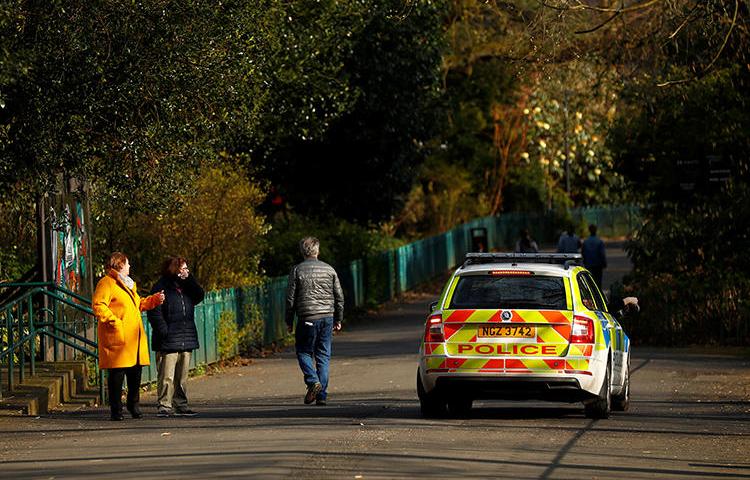
CPJ joins call condemning threats against journalists in Northern Ireland
The Committee to Protect Journalists today joined 20 free expression groups, activist organizations, and journalists in a joint statement condemning recent threats against journalists working for the Sunday Life and Sunday World newspapers in Northern Ireland.
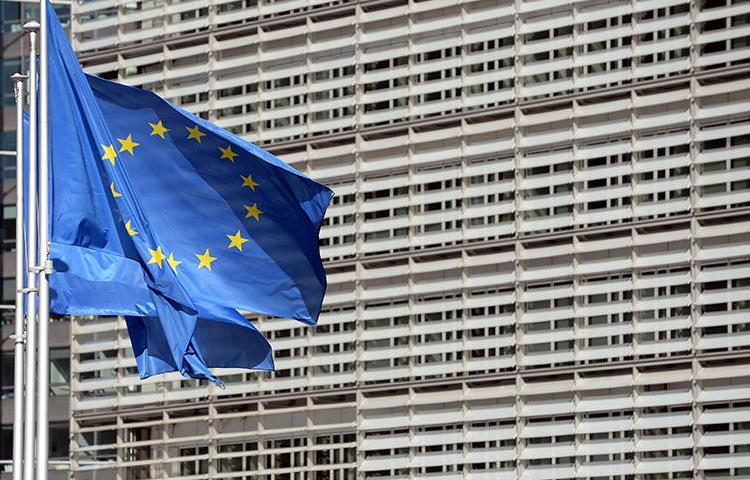
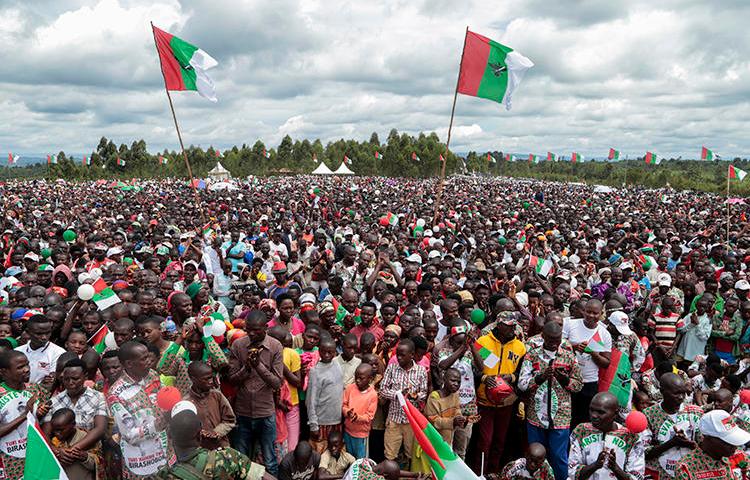
CPJ joins call urging Burundi to maintain internet access during elections
The Committee to Protect Journalists yesterday joined 30 other rights organizations in a joint letter urging the government of Burundi to ensure that the internet remains accessible before, during, and after the presidential elections scheduled for tomorrow.
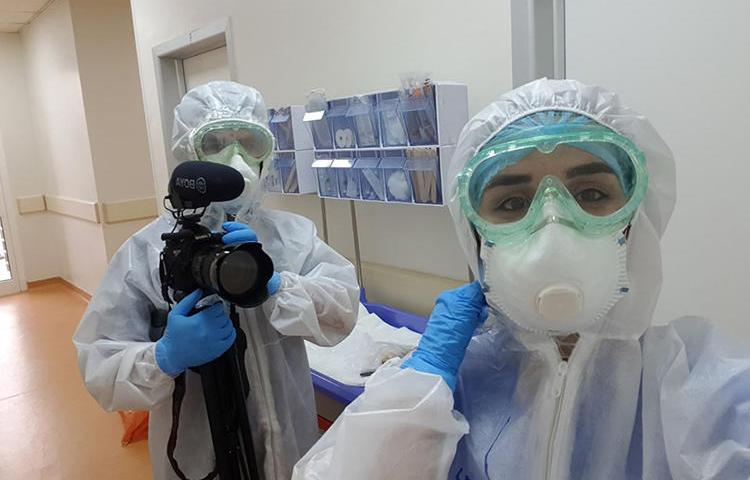
Journalists in Iraqi Kurdistan tell CPJ of obstruction and opportunities covering COVID-19
On May 10, Saman Barzinji, the health minister of the Iraqi Kurdistan regional government, announced that the COVID-19 pandemic no longer posed a threat to the region, and that the area would gradually reopen, according to news reports.

On third anniversary of his murder, Javier Valdez’s wife calls for justice in open letter
Today, on the third anniversary of the murder of her husband, Mexican reporter Javier Valdez Cárdenas, journalist Griselda Triana wrote an open letter calling for justice and describing the ordeal of her family in the wake of his killing. The letter was published in several Mexican news outlets and by the Committee to Protect Journalists.

Surveys seek to understand impact of COVID-19 on journalists
The Committee to Protect Journalists has partnered with the International Center For Journalists and the Tow Center for Digital Journalism at Columbia University on the journalism safety and press freedom aspects of their joint Journalism and the Pandemic Project, which today launched an online survey to track the COVID-19 pandemic’s global impact on journalism.