Protective bylines, and why they’re necessary
I’ve been writing a lot recently about the urgent need to protect journalists in Afghanistan and Pakistan (a string of links is at the bottom of this entry). While neither country has become as dangerous as, say, Iraq at the height of the conflict, conditions are getting more dangerous for reporters. And very often, it…
Japanese journalists under pressure: Kisha Clubs and stress
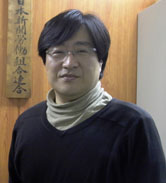
Katsuya Fujimoto and Shuichi Yutaka, the general secretary and the president of Shinbun Roren, the Japan Federation of Newspaper Workers’ Unions, sit at a table in their office in Tokyo’s Bunkyo-ku district amid a pile of papers. A software engineer with a media company and a journalist, each on two years’ leave, they are shuffling…
Feng Zhenghu home safe after Kafkaesque exile in Japan
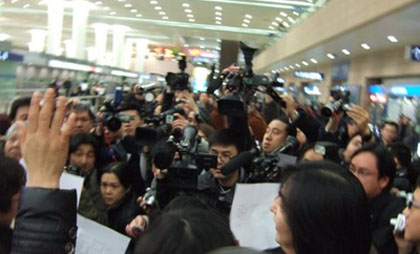
Journalists, friends, and supporters of Feng Zhenghu, who I interviewed in Tokyo on Monday as he was about to end his involuntary exile in Japan, have been making full use of the Internet to document his arrival home in Shanghai’s Pudong Airport this afternoon.
Japanese investigative reporter challenges Kisha system
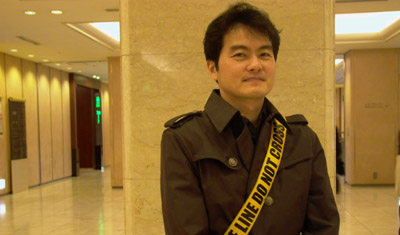
Yu Terasawa seems philosophical as he discusses plans for his fourth lawsuit against the Japanese state, which he says he plans to initiate next week. Lawsuits are a part of daily life for Terasawa, who has been at the forefront of Japan’s investigative journalism community for almost 20 years as a freelance reporter specializing in…
Provisional media death toll rising in Haiti
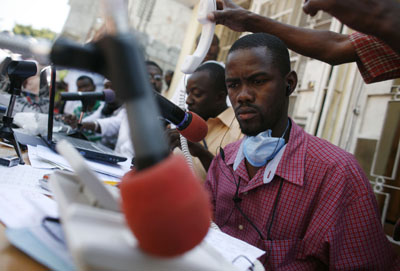
A month after the January 12 earthquake, the death toll for journalists has risen to 26, with two others injured, according to a new provisional tally released by media groups in Haiti. Under the umbrella of International Media Support, a joint mission of press groups (including the Association of Haitian Journalists, SOS Journalistes, and the…

‘Suddenly,’ Chávez is on the radio (yet again)
Venezuelan President Hugo Chávez Frías has used cadenas—nationwide radio and television addresses that preempt programming on all stations—to challenge the private media’s news coverage and amplify the government’s voice. In his radio and TV call-in program, “Aló, Presidente” (Hello, President), Chávez often lambastes critics in the media and the political opposition.
Mexican journalist said things ‘very hard’ just before murder
Over the weekend I spent several hours with two prominent journalists in Chilpancingo, Mexico, wondering who murdered their colleague Jorge Ochoa Martínez on January 29, and hearing about some of the seemingly unbearable pressures on Mexican journalists. Ochoa was shot in the face as he was leaving a birthday party for a local politician in…

Newspapers cut staff and are unable to print in Haiti
The two Haitian dailies, Le Nouvelliste and Le Matin, are still coping with the devastating effects of the January earthquake. Though these outlets continue to disseminate news via the Internet, it will take them some time to resume publishing in print.
An update on the Karachi double bombing
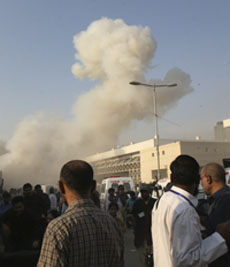
On February 5, I blogged about three vicious bomb blasts in Pakistan in the previous two days—“one in Lower Dir that wounded three reporters on Thursday, and Friday’s double attack in Karachi that we’re still investigating.” I argued that media companies in Pakistan must start taking responsibility for protecting their employees in the field. I had…