In message from Uzbek jail, journalist hints of abuse
News is rare from Uzbek prisons, where authorities are holding at least four independent reporters in retaliation for critical journalism: Muhammad Bekjanov, Yusuf Ruzimuradov, Dilmurod Saiid, and Salidzhon Abdurakhmanov. All four are serving lengthy sentences. Uzbek authorities refuse even to update CPJ or other human rights organizations on the journalists’ whereabouts, status, or well-being.
Travel leave for Belarusian reporter no change of heart
In an unexpected development reported in the press today, Belarusian authorities temporarily lifted a travel ban on Irina Khalip, prominent journalist and reporter for the Moscow-based independent newspaper Novaya Gazeta. The restriction, which includes a weekly check-in with district police and a requirement to spend every night in her Minsk apartment, was part of a…
In Philippines, questions on witness death in Ortega case
Questions surrounding the death of Dennis Aranas, accomplice-turned-witness to the murder of Filipino journalist Gerardo Ortega, have increased over the past week. Their answers beg yet another question: will the masterminds behind Ortega’s murder succeed in eluding justice?
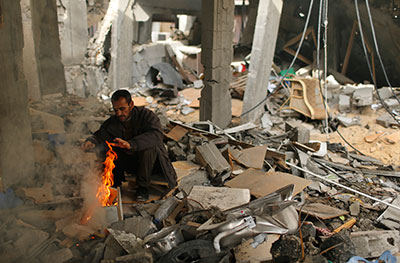
Israel fails to support decision to target Gaza journalists
After two months of asking Israeli authorities to explain their decision to attack journalists and media facilities in Gaza in November, CPJ has received an official response. Our inquiries–in the form of a letter and blog by Executive Director Joel Simon, as well as phone calls and emails to the office of the Israeli prime…
@PresRajapaksa draws snark, concern, and criticism
Here is a quick pointer to one of Sri Lanka’s few remaining independent media sources, Groundviews, which just posted a lengthy look at the president’s newfound interest in social media: “The Sri Lankan President’s Twitter archive and Propaganda 2.0: New challenges for online dissent.” In a country where there isn’t all that much to laugh…
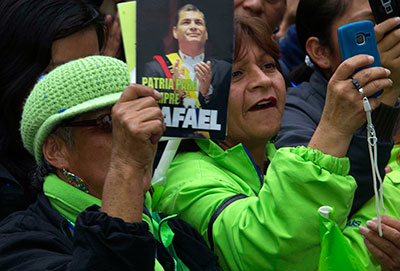
Electoral law dulls reporting as Correa nears re-election
It’s by far the dullest space in the newspaper: Every day in El Universo, Ecuador’s leading daily, readers can find eight small photos and news blurbs summing up the activities of the eight presidential candidates. The articles are the same size and blocked together in a layout that resembles a tic-tac-toe game, minus the ninth…
Harsh punishment would not fix Russian impunity
Every second crime committed in Russia goes unsolved, President Vladimir Putin said Friday, addressing a conference of the nation’s high-ranking Interior Ministry officials. “The low crime-detection rate and impunity for the criminals do not serve justice but undermine public trust in law enforcement agencies, as well as the state per se,” Putin said, according to…
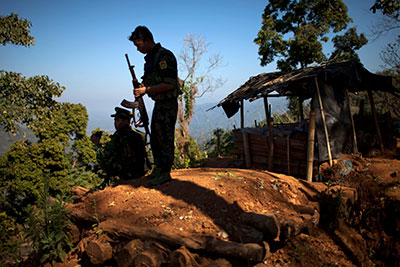
As censorship wanes, cyberattacks rise in Burma
Cyberattacks on news websites and apparent government hacking into journalists’ email accounts have raised new questions about the integrity of media reforms in Burma. The New York Times reported on Sunday that several journalists who regularly cover Burma-related news recently received warning messages from Google that their email accounts may have been hacked by “state-sponsored…

In Russia, brazen murder of Chernovik founder is unsolved
Gadzhimurad Kamalov, founder of the independent daily Chernovik, was murdered in Makhachkala, capital of Russia’s southern republic of Dagestan, on December 15, 2011. The slaying was brazen, coming on the national Day of Remembrance for journalists killed in the course of their work. The late-evening assault took place outside Chernovik’s newsroom, located on Makhachkala’s Magomed…
Indian reporter who exposed assault faces new litigation
Indian journalist Naveen Soorinje continues to languish in prison despite last week’s decision by the Karnataka state cabinet to withdraw charges against him. New developments this week are challenging his release. And his continued imprisonment raises a larger question about the role of journalists at the occurrence of a crime.