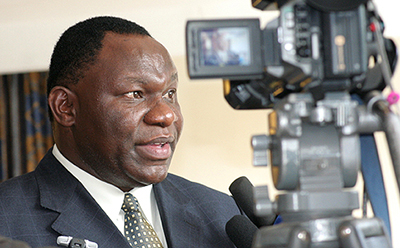
New challenges for local and foreign press in Kenya
Kenya has passed peacefully through its election period, but questions still hang over the legitimacy of presidential candidate Uhuru Kenyatta’s victory–as well as over the future of the country’s media coverage. During polling, challenges arose for both local and international media, and they have not subsided. For the foreign press, it is now unclear how…
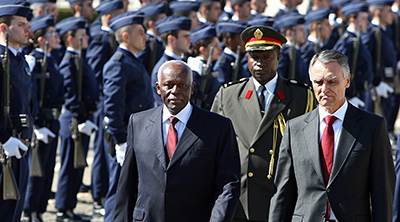
Portuguese media chilled by Angolan involvement
Portuguese journalists are increasingly concerned by Angola’s growing investment and influence in their country. Buoyed by petrodollars and diamonds, powerful Angolan interests have been indulging in a buying spree in their former colonial power. Angolan capital invested in Portugal increased 35 times in the past decade, according to news reports. In a process often acidly…
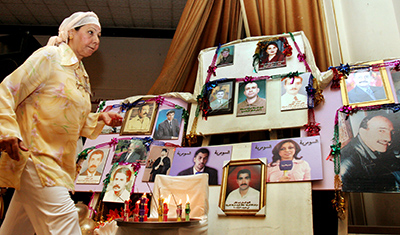
Iraq war and news media: A look inside the death toll
The U.S.-led war in Iraq claimed the lives of a record number of journalists and challenged some commonly held perceptions about the risks of covering conflict. Far more journalists, for example, were murdered in targeted killings in Iraq than died in combat-related circumstances. Here, on the 10th anniversary of the start of the war, is…
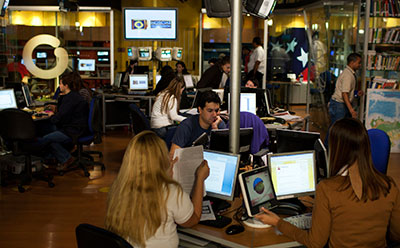
Globovisión sale would finish critical Venezuelan TV
If the proposed sale of Globovisión, the single remaining TV station critical of the Venezuelan government, is finalized next month, the broadcaster will almost certainly become less combative and could eventually turn into another government mouthpiece, according to news reports, local journalists, and analysts.
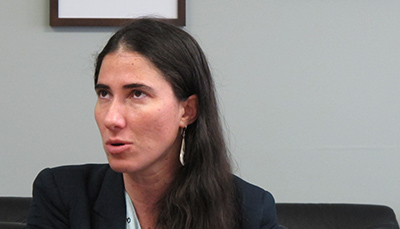
Sánchez, Cuba’s blogging pioneer, eyes a new trail to blaze
Having broken through one long-standing barrier, Yoani Sánchez, the pioneering figure in Cuba’s independent blogosphere, is looking to smash another. “It seemed like an impossible dream, but here I am,” Sánchez told a gathering today at CPJ’s New York offices. After being denied travel authorization at least 20 times in the past, Sánchez is in…
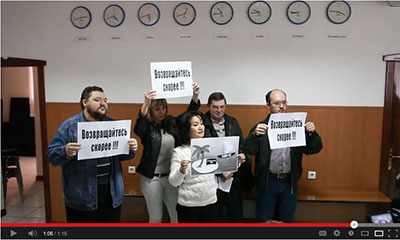
Under official pressure, Kazakh broadcaster closes
A blocked website; reporting equipment confiscated; a newsroom sealed; and reporters denied information from state agencies: these things together spelled the end of Stan.kz, a local, independent Internet-based broadcaster which for two years had tirelessly reported on developments in Kazakhstan. “We are forced to shut down the Stan.kz newsroom,” Bauyrzhan Musirov, owner of parent Stan…
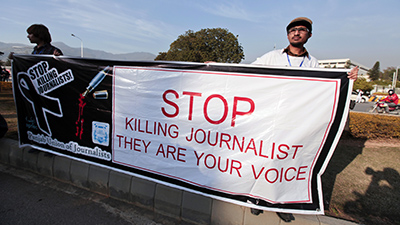
Pakistan’s new effort to improve safety, combat impunity
Representatives from 40 Pakistani and international press groups, development organizations, and media houses came together in Islamabad last week to discuss ways to better protect local journalists at risk of violence, and means to combat the virtually perfect record of impunity that assailants enjoy in this country. It’s none too soon. Three journalists have died…
Mission Journal: Who is a journalist in Egypt?
Egyptian journalists, besieged by punitive lawsuits and under threat, agree that under President Mohamed Morsi “there is no press freedom, only the courage of journalists,” as editor Ibrahim Eissa put it. What they can’t agree on is–in a climate of freewheeling, mutable media–who exactly is a journalist?
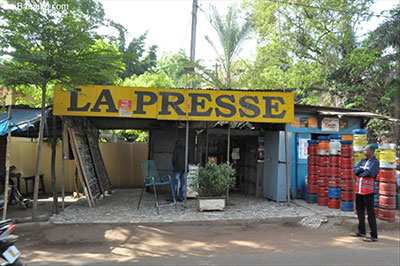
In Mali, one journalist’s detention ignites press revolution
Mali’s press has endured one attack too many. Since the coup d’état of March 22, 2012, CPJ has documented a staggering 62 anti-press violations across Mali. Journalists and media houses have become ready targets of attacks, threats, intimidation, assassination attempts, arbitrary arrests, detentions, and censorship by separatist and Islamist militant groups and government security forces…
Working with phone companies on free expression
For more than six years the Committee to Protect Journalists has been working with freedom of expression advocates, investors, and giant Internet companies to promote online freedoms. Absent from the discussions under the umbrella of the Global Network Initiative have been the telecommunications companies–vital gateways to the Internet for journalists and bloggers, particularly in much…