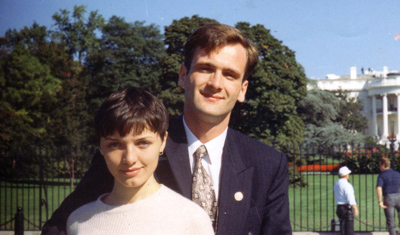
In letter from Turkish jail, journalist describes ordeal
In a letter she passed from Gebze women’s prison outside Istanbul, Fusün Erdoğan, founder and director of the leftist broadcaster Özgür Radyo, details circumstances of her arrest, imprisonment, and politicized criminal charges. Erdoğan founded the broadcaster in 1995, and worked as its director until September 8, 2006–the day when plainclothes police agents detained her in…
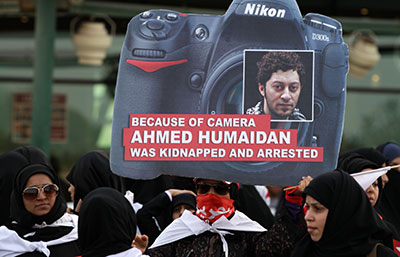
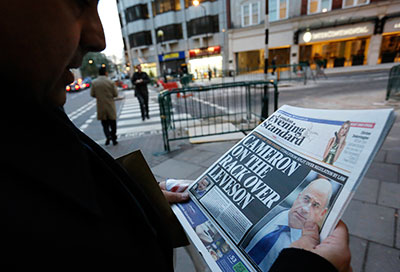
In UK, medieval tactics may save modern media
The long-awaited reform of libel laws in the United Kingdom skirted with collapse this week due to political infighting in the aftermath of the Leveson report on media ethics–the public inquiry that resulted from the News Corp. phone-hacking scandal. With that disaster narrowly averted, attention has turned to what may turn out to be a…
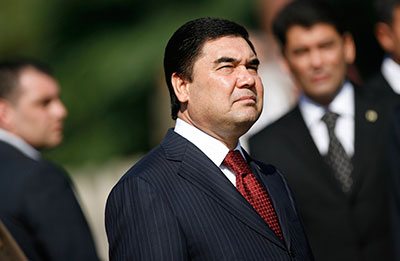
Turkmenistan opens up media–in name only
Turkmenistan is trying to burnish its image by passing its first law on press freedom. On January 4th, President Gurbanguly Berdymukhamedov signed a law that bans press censorship, bars the government from monopolizing news outlets, and grants the public access to all forms of information, including independent and foreign reporting. Unfortunately, reform appears to be…
Under Hindu right, attacks on press rise in Karnataka
Confusion surrounds the case of imprisoned Indian journalist Naveen Soorinje, who was jailed for exposing an attack on young men and women last summer by extremists belonging to the Hindu Jagran Vedike, self-appointed moral police in coastal Karnataka. Soorinje’s report helped lead to the arrest of dozens of attackers. But Karnataka state–ruled by the Hindu…
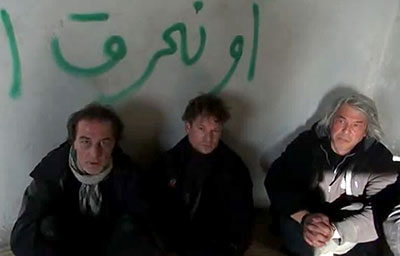
Do news blackouts help journalists held captive?
At any given time over the past two years, as wars raged in Libya and then Syria, and as other conflicts ground on in South Asia and sub-Saharan Africa, a number of journalists have been held captive by a diverse array of forces, from militants and rebels to criminals and paramilitaries. And at any given…
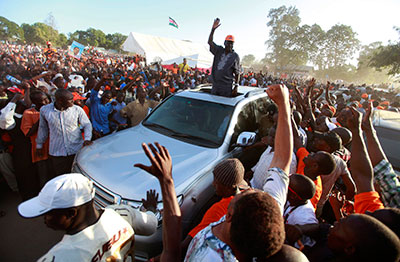
As Kenya votes, journalists must take precautions
Election-related violence is a worry for journalists in many countries, but perhaps nowhere more so than Kenya, where presidential polls will be held March 4. In the aftermath of the nation’s last presidential elections in 2007, over one thousand people were killed in ethnic and political violence, live news broadcasts were banned, and the press…
Rajapaksa regime under UNHRC, Commonwealth scrutiny
On February 13, Navi Pillay, the U.N. high commissioner for human rights, said in her annual report to the U.N. Human Rights Council (UNHRC) that Sri Lanka’s government has not taken enough steps recommended by its own Lessons Learnt and Reconciliation Commission (LLRC). Although the LLRC is seen as a flawed attempt to heal Sri Lanka…

Will talk of stronger Somali justice lead to action?
Spirits of journalists in Somalia, the most dangerous country in Africa to practice the profession, were lifted slightly this week after Prime Minister Abdi Farah Shirdon made several auspicious announcements. The key concern on the minds of journalists in the capital, Mogadishu, is access to justice–both in terms of journalists’ own court appearances and in…