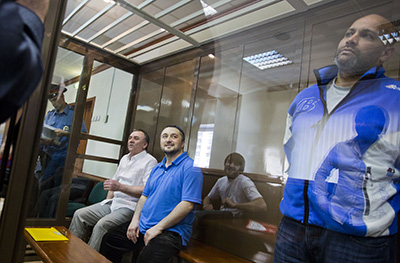
Politkovskaya murder trial proceeds with third jury
More than seven years after the murder of Anna Politkovskaya, the prominent Novaya Gazeta journalist, a jury is hearing the case against five defendants in the killing. The suspects were first announced in 2011, but proceedings did not begin until July 2013, amid controversy. Three of the current defendants were earlier acquitted of Politkovskaya’s murder…
In Pakistan, no taxation without investigation
In Pakistan, reporting on the military intelligence services or insurgent groups or machinations within political parties is the normal grist for the media mill. A lot of the coverage relies on reporters with inside sources. The sources use the media as a battleground for their infighting, relying on sympathetic reporters to put forward their positions.…
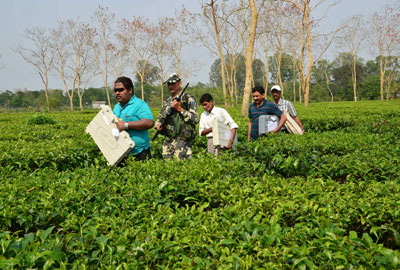
Censorship in India on the rise amid elections
This month, Indians are voting in the largest election in history. It’s an exciting exercise in democracy, but it comes against a grim backdrop: censorship in the country is on the rise, according to a quarterly report by the South Asian media watchdog, The Hoot.
Slideshow: Covering protests in Crimea
Coverage of street demonstrations is an exceptionally dangerous assignment, with journalists subject to assaults, obstruction, detention, raids, threats, censorship orders, and confiscation or destruction of equipment. This report is one in a series of three by Getty photographers who documented for CPJ their recent experiences covering protests and shared their photographs.
Slideshow: Covering protests in Venezuela
Coverage of street demonstrations is an exceptionally dangerous assignment, with journalists subject to assaults, obstruction, detention, raids, threats, censorship orders, and confiscation or destruction of equipment. This report is one in a series of three by Getty photographers who documented for CPJ their recent experiences covering protests and shared their photographs.
Journalists in Japan face threats 3 years after Fukushima
At the end of last month, an evacuation order declared during the 2011 Fukushima-Daiichi nuclear plant power plant meltdown was lifted for residents of a small town in Fukushima Prefecture, the first time an area so close to the site was declared suitable for habitation. Yet, three years after Earthquake Tōhoku killed 15,000 people and triggered…
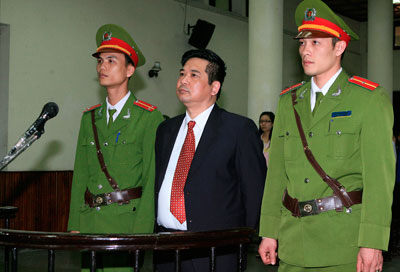
Confronting the suffering in Vietnam’s prisons
Dinh Dang Dinh, a former Vietnamese schoolteacher and blogger, died on April 3 from cancer of the stomach. Near death, he had been released from his six-year prison sentence on March 21, and allowed to return home to die in Dak Nong province in Vietnam’s Central Highlands. His crime, to which he had pled not…
Meeting commitments in Pakistan
A few days after our CPJ delegation met with Prime Minister Nawaz Sharif and secured commitments to combat threats to journalists in Pakistan, I sat down with reporters from the country’s most restive regions, who described in detail the conditions in which they work.
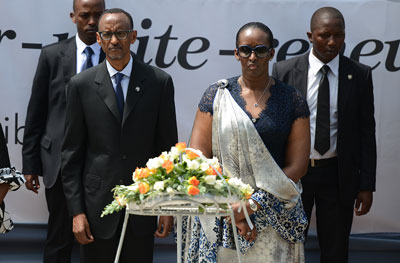
20 years after genocide, Rwanda safe, clean, undemocratic
“Do not forget the genocide,” said the voice of a state broadcast announcer in Kigali crackling through a cheap car radio, referring to the organized slaughter 20 years ago of more than 10 percent of the population. “We are all one now,” he said, speaking in Rwanda’s common language of Kinyarwanda, and meaning that Rwandans…
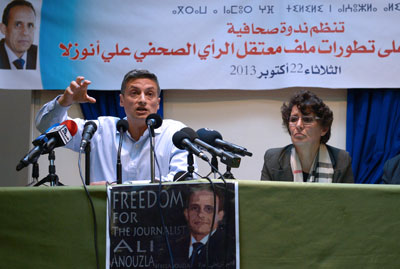
Morocco accuses Spain’s El País of inciting terrorism
Morocco’s inclination for wielding terrorism accusations against journalists and news outlets who report on extremist groups has extended to Spain, where authorities are investigating El País newspaper and one of its journalists at the behest of the Moroccan government.