
Press law debate and journalist’s release signal hope for Burundi’s media
Burundi journalists may have more space to report freely ahead of the country’s controversial elections this year after the legislative assembly pushed for amendments to a draconian press law and a radio director was released on bail.
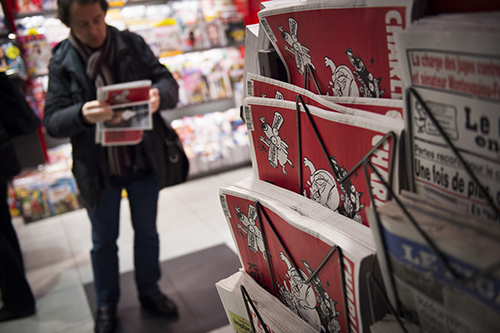
Je suis Charlie sentiment fades amid calls to tame free speech
Je suis Charlie. Two months after that phrase was used around the world to show solidarity with the victims of the January 7 attack against French satirical magazine Charlie Hebdo, flowers are still left at the site of the killings on Rue Nicolas Appert in the 11th arrondissement of Paris. The street has reopened to…

Press apathy over Macedonia wiretaps is symptom of failing democracy
Journalists and professional press organizations were given just one day’s warning on February 25 that Zoran Zaev, leader of Macedonia’s opposition party the Social Democrats, would be revealing what he described as a “bomb”–conversations of journalists allegedly wiretapped by the government–at his weekly press conference.
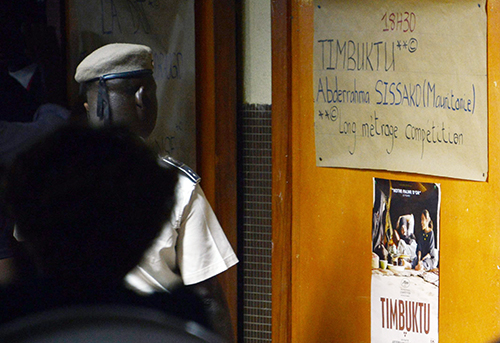
Ban of India’s Daughter and other films silences debate on key issues
What do Delhi, Beijing, and Villiers-sur-Marne have in common, but Ouagadougou does not? The first three recently banned access to films their governments deemed inappropriate. But a film festival in the fourth, the capital of Burkina Faso in West Africa, is stepping up security to show an acclaimed but controversial movie about Islamic militancy in…

Murder of Boris Nemtsov highlights Russia’s impunity record
The brazen contract-style killing of Russian opposition leader Boris Nemtsov on Friday night–carried out within range of a dozen security cameras and yards from the Kremlin walls in Moscow–serves as a grim reminder of the risks government critics face in Russia.

How China uses J-visas to punish international media for critical coverage
In November 2013, delays and some outright refusals in issuing visas for foreign correspondents in China were making headlines. A few months later, in its March 2014 survey of members, the Foreign Correspondents’ Club of China (FCCC) described the situation as “grim.” An emailed report on results of the most recent survey (which can be…
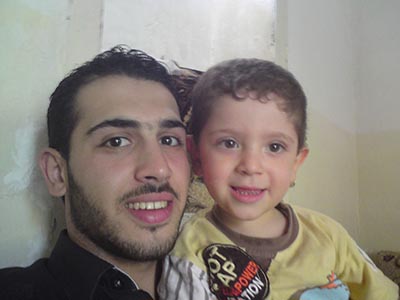
Supporting journalists at risk: Syrian reporter Rifaie Tammas
In its new series, “Supporting journalists at risk,” CPJ profiles journalists who have been in dire situations as a result of persecution for their work. CPJ’s Journalist Assistance program has helped these journalists, and hundreds of others, through a combination of financial and non-financial assistance. In this edition, CPJ recounts how 26-year-old Syrian Rifaie Tammas…
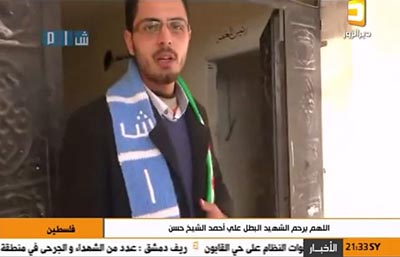
Supporting journalists at risk: Syrian reporter Zakwan Hadid
In its new series, “Supporting journalists at risk,” CPJ profiles journalists who have been in dire situations as a result of persecution for their work. CPJ’s Journalist Assistance program has helped these journalists, and hundreds of others, through a combination of financial and non-financial assistance. In this edition, CPJ looks at Zakwan Hadid, a 29-year-old…
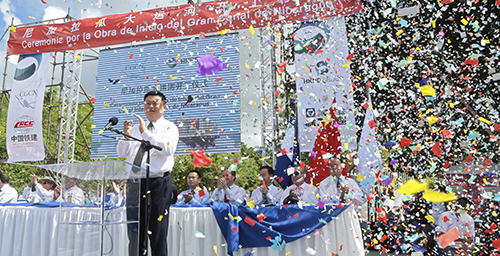
Reporters covering Nicaragua waterway project obstructed by lack of information
When Nicaragua began preliminary work on an interoceanic waterway designed to handle ships too big for the Panama Canal, some of the foreign correspondents who had flown in to cover the December groundbreaking were left high and dry.
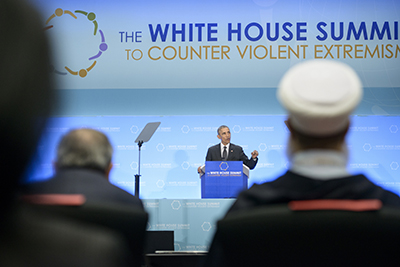
In fight against extremism, press freedom must not be compromised
In an effort to counter extremists and militant groups who use a mix of violence and social media to spread their message, a summit was held in Washington, D.C. this week to discuss how to counter violent extremism. While there is little denying that these groups must be tackled, an approach must be found that…