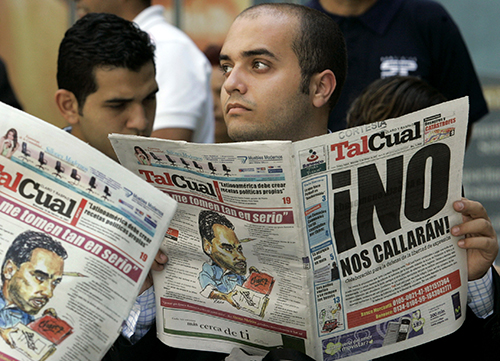
In Venezuela, Tal Cual under pressure but not defeated
Tal Cual, one of the few remaining Venezuelan newspapers critical of the government, is so shorthanded there’s often no receptionist on hand to let people in. Visitors must bang on the front door until someone in the newsroom notices. That can take a while because there are hardly any editors or journalists left.
David Laventhol: Dedicated and generous press freedom advocate
David Laventhol, the former publisher of Newsday and the Los Angeles Times passed away on Wednesday, aged 81. Dave served as chairman of CPJ from 2002 to 2005, using his low-key approach and savvy news sense to help guide the organization’s response to the unprecedented turmoil of the Iraq War.
When it comes to Great Firewall attacks, HTTPS is greatest defense
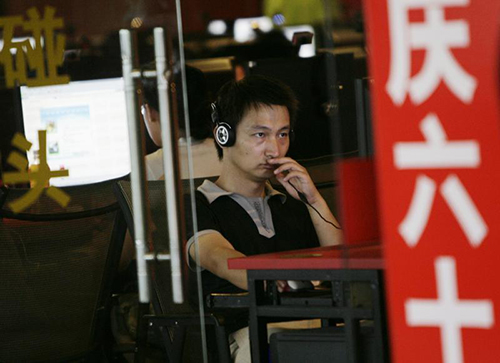
The power of HTTPS to protect has been brought into sharp focus by a series of attacks against software collaboration site GitHub. These attacks consistently failed because of the site’s universal use of HTTPS. Most recently, GitHub reported a blistering series of distributed denial of service attacks in March, which it believes were an attempt…
Evolution of Pakistan’s proposed cybercrime law
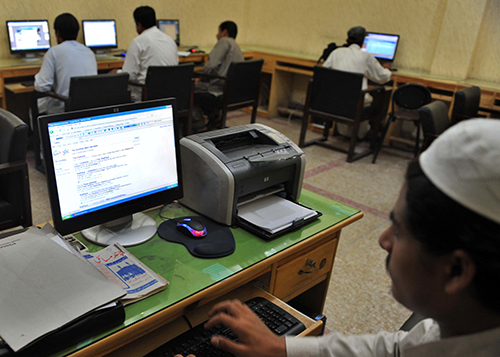
A pointer to our colleagues at Bolo Bhi, Pakistan’s independent Internet freedom and electronic privacy watchdog (it’s involved in gender issues too). The watchdog has been tracking the evolution of Pakistan’s attempts at cybercrime legislation since 2007.

China’s CNNIC issues false certificates in serious breach of crypto trust
In a major breach of public trust and confidence, the Chinese digital certificate authority China Internet Network Information Center (CNNIC) certified false credentials for numerous domains, including several owned by Google. The deliberate breach had the potential to seriously endanger vulnerable users, such as journalists communicating with sources. The breach was discovered by Google and…

Media restrictions in Papua underscore Indonesia’s wider problems
With more than 50 years of restricted media access, one of the least covered armed conflicts in the world is the long-simmering struggle between Indonesia’s military and the secessionist Free Papua Movement. Under Indonesia’s seven successive post-independence governments–the early ones led by autocratic strongmen, the recent ones more or less democratically elected–the world has been…
Yahoo! End-to-End email preview promises greater protection for journalists
Good news for journalists wanting added protection from surveillance. Yahoo! has announced a technical preview of its email security tool End-to-End, which it has been developing in collaboration with Google. This is another milestone in the tech companies’ efforts to protect users not just from outsiders, but also from the companies themselves.

A year after Raza Rumi attack, little change for Pakistan’s beleaguered press
One year ago Raza Rumi, a TV anchor and widely-respected analyst in Pakistan, narrowly escaped death when gunmen opened fire on his car in an attack that killed his driver, Mustafa. When I wrote about the March 28 attack, the fourth on the Express Group in eight months that had left four people dead, I…

Mission Journal: Bangladeshi press reined in as Hasina exerts authority
Matiur Rahman Chowdhury has been the host of “Frontline,” a popular Bangla-language news show, for five years. Aired live three times a week, the show gained notoriety for bringing politicians, members of civil society, and journalists together to discuss current affairs. Chowdhury distinguished himself from many of his counterparts with his soft-spoken but firm demeanor…