India’s landmark online speech ruling is step toward greater press freedom
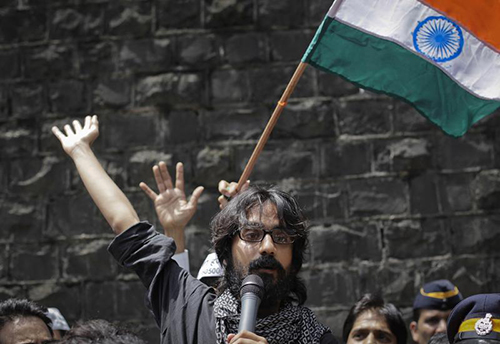
In an historic decision, India’s Supreme Court on Tuesday struck down part of a law used to silence criticism and free expression. While this marks a pivotal victory that has been welcomed in many quarters, many challenges remain for press freedom in the country.
CPJ joins call for meaningful reform of US surveillance
Mass surveillance and the bulk collection of metadata by the U.S. government pose serious threats to journalists in the U.S. and around the world, which is why the Committee to Protect Journalists today joined a wide coalition of privacy, human rights, technology, and trade groups calling on Congress and the Obama Administration to include certain…
Long silence from Nicaragua’s president as first lady keeps press at arm’s length
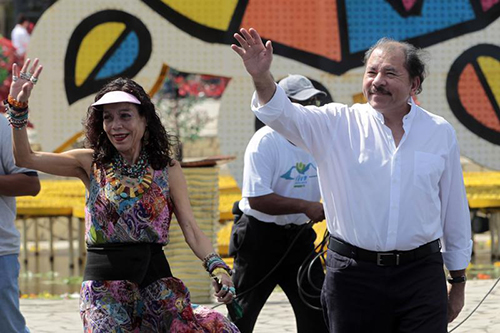
It’s been nearly 3,000 days since Nicaraguan President Daniel Ortega last held a news conference, according to the opposition newspaper La Prensa. But when journalists complain about the lack of access to Ortega they often direct their ire not at the president but at the first lady, Rosario Murillo.
In election year, Nigeria’s press feeling the pressure
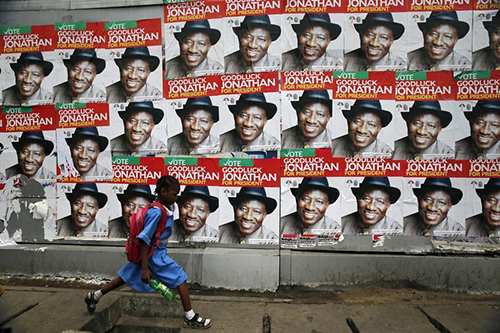
“Nobody is safe. Not the voter, not the journalist, not anybody!” The fears of Femi Adesina, president of the Nigerian Guild of Editors, is echoed by stakeholders and observers of Nigeria’s general election. Amid the tension in the run up to presidential and federal parliamentary elections on March 28, and governor and state parliamentary elections…
Acclaimed journalist Marques de Morais on trial for defamation in Angola
On Tuesday, less than a week after receiving an award for his journalism from the London-based freedom of expression group Index on Censorship, veteran journalist Rafael Marques de Morais will stand trial in Angola on charges of criminal defamation.

Lee Kuan Yew’s legacy
What to make of Singapore’s first and former Prime Minister Lee Kuan Yew, who died Monday morning in the city-state? Under the banner of the People’s Action Party, Lee held government power for three decades. After stepping away from the prime minister’s office in 1990, he held positions of senior minister and later “minister mentor”…

South African police repeatedly force journalists to delete photos
South Africa is synonymous with crime in the eyes of many–as evidenced by the recent mugging of a TV crew live on camera–but for the press, a more sinister threat to freedom lies in the growing number of cases where it is the police, in flagrant denial of their orders, who intimidate and threaten journalists,…
Syria anniversary shows need for more news outlets to step up
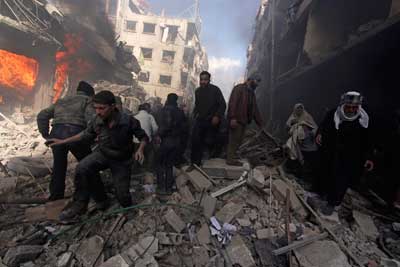
It started as a street protest against President Bashar al-Assad. Ordinary citizens took out their smart phones to record the demonstrations that quickly spread. Four years and 220,000 dead later, the Syrian civil war is still raging, although the numbers of ‘citizen’ and professional journalists on hand to document it is woefully small.
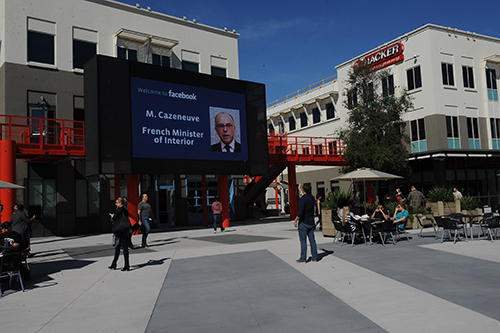
In blocking websites, France abandons role as guardian of free speech
Attempts by the French government this week to use vague legislation to block five websites for “condoning terrorism” would be troubling anywhere, but it is especially tragic coming from the country that gave us the champion of free speech and tolerance, Voltaire.