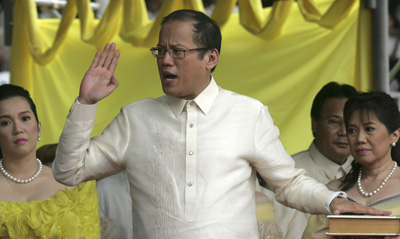
To combat Philippine impunity, Aquino needs new tactics
It’s too soon to expect a turnaround in the Philippines’ miserable record of attacks on journalists. President Benigno Aquino was sworn in just two weeks ago. The problem of unprosecuted journalist murders—the Philippines ranks third on CPJ’s Impunity Index—is embedded in a political culture of widespread violence and little law enforcement. That hasn’t changed, and…
Punjab Assembly condemns—then praises—media
Pakistan’s spirited press is once again caught up in arms over the latest and most absurd attempt to discredit its voice. On Sunday, various journalist organizations in Larkana, Sindh province, followed in the recent footsteps of their colleagues in Lahore, Islamabad, and Karachi and observed a “black day” of protest, according to Pakistan’s The News.
Pakistan renews effort to restrict coverage of extremists
It’s not the first time the Pakistani government has tried to restrict broadcast coverage of extremist activities—and it probably won’t be the last. On Monday, a legislative committee forwarded a bill to the National Assembly that would restrict coverage “of suicide bombers, terrorists, bodies of victims of terrorism, statements and pronouncements of militants and extremist…
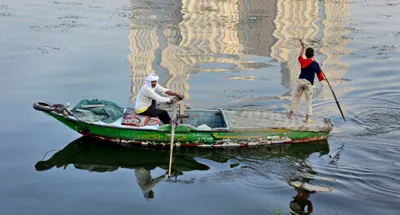
Global Media Forum cites risks of environmental reporting
He’s young, unemployed and carries himself with the innocence of a man who hasn’t spent much time outside his own village. But Egyptian blogger Tamer Mabrouk is the real deal. Appearing at an international media conference in Bonn, Mabrouk’s description of chemical dumping into a brackish lagoon on the northern Nile Delta near the Mediterranean Sea…
CJR: Singapore not so modern on press freedom
Singapore is a rich country with a surprisingly poor press freedom record—so says a story out this week in the Columbia Journalism Review. CPJ’s own findings point to a series of court fines and damages awarded over slights to the country’s government by major international papers like The New York Times and The Wall Street…
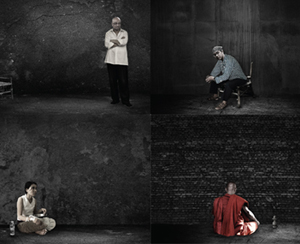
Burma campaign hits Grand Central
New York’s Grand Central Station is a gathering point today for people who are coming into town from a little farther away than usual: Burmese dissidents, writers, monks, and musicians are convening to protest the military junta of Senior General Than Shwe. Human Rights Watch has organized a petition and an art and photo installation in Vanderbilt…
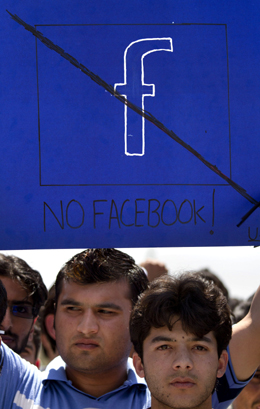
In Pakistan, a censor’s hand in Facebook, Twitter woes?
Last week, users of Facebook and Twitter in Pakistan began reporting a strange security problem. When they visited those sites, they found they were logged in–but with the accounts and privileges of complete strangers. Private Facebook information and Twitter direct messages belonging to other users were viewable, and the surprised Pakistani users had complete control…
As dissidents move online, governments fight back
Social media and cyber dissidents have exerted a increasing influence on global politics over the last few years—Twitter, for instance, was widely utilized by protesters and journalists during Iran’s 2009 post-election Green Movement, and China has been locked in conflict with Google over allegations of censorship and hacking. “Ideas in Action” with Jim Glassman, a half-hour weekly show on…
Thailand responds to CPJ about recent attacks on the press
Thailand’s Washington-based embassy issued an official reply to CPJ’s June 7 letter addressed to Prime Minister Abhisit Vejjajiva in which we expressed our concerns about the country’s deteriorating security situation for journalists. CPJ’s letter highlighted in particular our concerns about two journalists—Reuters cameraman Hiro Muramoto and freelance photographer Fabio Polenghi—who were killed while covering recent clashes between anti-government protestors and security forces.

Living in limbo: The ongoing wait of journalists in exile
The e-mails started on July 15, 2009, and have continued ever since—pleas for help from Iranian journalists who fled their country often with little money and scarce provisions to northern Iraq, Turkey, Afghanistan, India, and a host of other locales around the world. Many lived in hiding throughout Iran for weeks or months before crossing perilous borders…