No spring in China, but are the media heading for a fall?
Here’s a quick toss to a video posted on YouTube by Australian Broadcasting’s reporter Stephen McDonell. He and his crew decided to confront some Chinese security types (not surprisingly they didn’t identify themselves) who had been following them in Wenzhou while reporting in China. The team was covering religion, including underground or “house” churches–those not…
Threats, security in Afghanistan: Some responses
Last Friday’s post, “After bin Laden, a warning to foreign journalists,” generated several responses from Western journalists in Kabul. I also did two lengthy interviews on Monday with the U.S. government-funded broadcaster Voice of America, and fielded questions from several other news outlets.

Sethi: Pakistani media challenging military
Pakistani journalist Najam Sethi was in the United States last week to talk about the challenges facing his country at a critical moment. Ever the contrarian, he also sees opportunities. “For the first time the media is challenging the military,” he told an audience of friends and colleagues at CPJ offices in New York. “That’s…
After bin Laden, a warning to foreign journalists
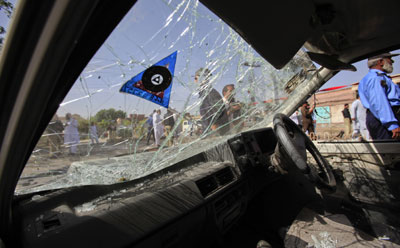
Security is always risky in Kabul, as it is in the entire Afghanistan-Pakistan theater. But the May 2 U.S. raid into Pakistan and killing of Osama bin Laden has raised the risk of retaliation against international representatives, including journalists.
Video: ‘Living in silence: Journalists in exile’
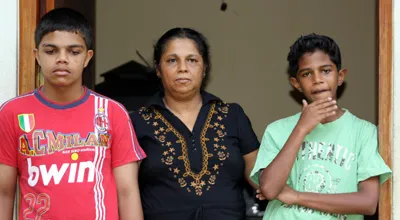
We write a lot at CPJ about the terrible things that happen to journalists because of their reporting, but we don’t often get a chance to show you what happens to them after they are forced to flee their homes and land abroad. This video, about three such journalists, is worth watching.
Following disaster, Free Press Association of Japan launches
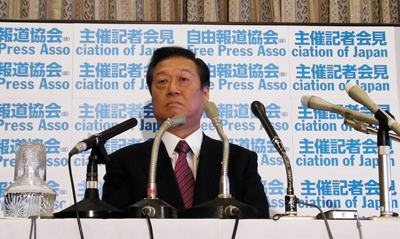
After the huge catastrophe that hit Japan this March, the country is in need of a freer media culture. A less restricted media would allow more people access to information at press conferences. In the name of this aim, in April 25, a group of Japanese freelance journalists launched a new organization called the Free Press Association of…
Q&A: Filmmaker talks Ai Weiwei and jailed activists
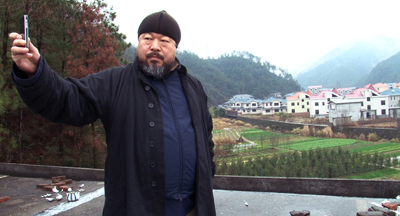
Three years after a devastating earthquake hit Sichuan province in May 2008, CPJ spoke to documentary filmmaker Alison Klayman. The director is working on the upcoming “Ai Weiwei: Never Sorry,” about the recently detained Chinese artist who documented the aftermath of the earthquake and published the names of children killed in the collapse of frail…
U.S-China disagreement, not dialogue, on human rights
The U.S.-China Strategic and Economic Dialogue, which concluded in Washington today, may not have produced much in the way of specific commitments on human rights issues. But media appearances surrounding the talks have provided a forum for top leaders to re-state their views in public.