
Joint letter urges congressional action on Jamal Khashoggi case
The Committee to Protect Journalists today joined 10 human rights and press freedom groups in sending a letter to House Foreign Affairs Committee (HFAC) leadership urging congressional action in the pursuit of justice for murdered Washington Post columnist and U.S. resident Jamal Khashoggi.
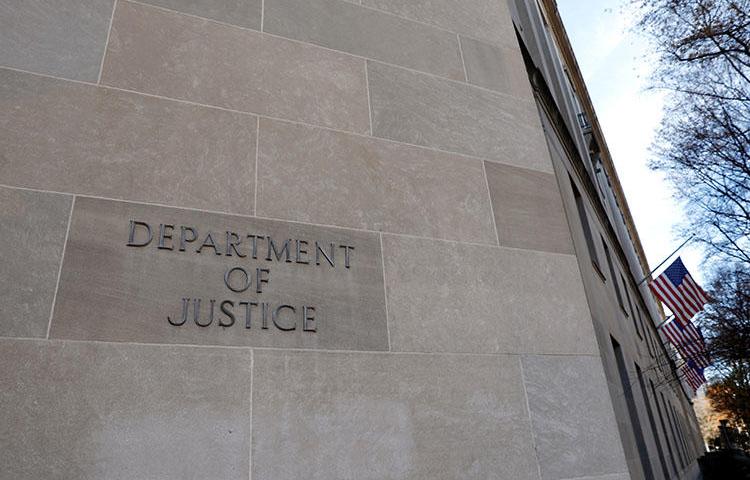
Leak prosecutions under Trump chill national security beat
When President Donald Trump’s nominee for attorney general, William Barr, was asked at his confirmation hearing in January whether he would ever consider jailing a journalist, Barr paused for about eight seconds, then said he could “conceive of a situation” where a journalist is jailed as a “last resort.” Such equivocation was troubling to press…
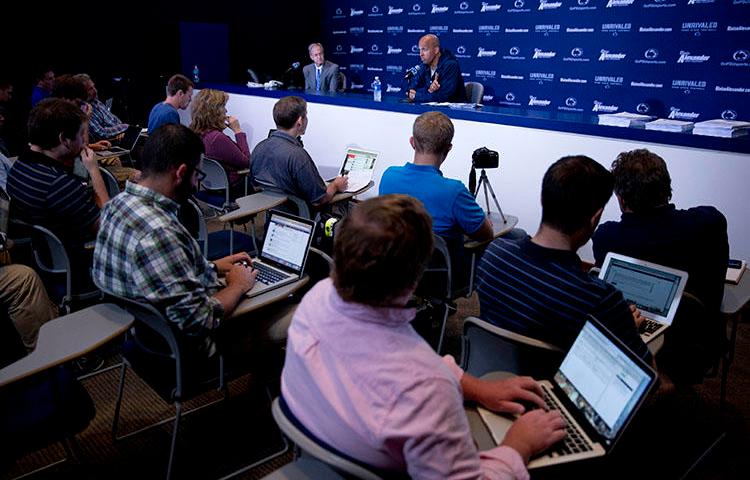
Dark side of sports journalism as fans harass female reporters online
“I say we put her email address in all the porn sites. From FSU with love,” one user wrote on 247Sports.com, a CBS message-board about college and professional sports. The FSU stands for Florida State University and the “her” is ESPN investigative journalist Paula Lavigne.

CPJ, RSF call on Nicaragua to release two journalists held on terrorism charges
The Committee to Protect Journalists and Reporters Without Borders today condemned the detention of two independent journalists in Nicaragua, and called on Nicaraguan authorities to immediately release them and drop all charges against them.
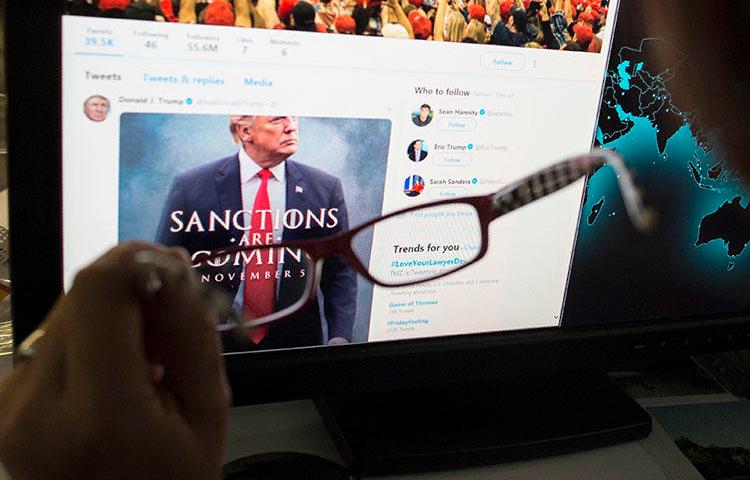
From fake news to enemy of the people: An anatomy of Trump’s tweets
Since announcing his candidacy in the 2016 presidential elections to the end of his second year in office, U.S. President Donald Trump has sent 1,339 tweets about the media that were critical, insinuating, condemning, or threatening. In lieu of formal appearances as president, Trump has tweeted over 5,400 times to his more than 55.8 million…

CPJ joins letter expressing concern about proposed cyberspace law in Venezuela
The Committee to Protect Journalists joined more than 30 regional and international rights organizations expressing concern about a proposed law in Venezuela that would expand the powers of the government to control and monitor internet use without institutional checks.
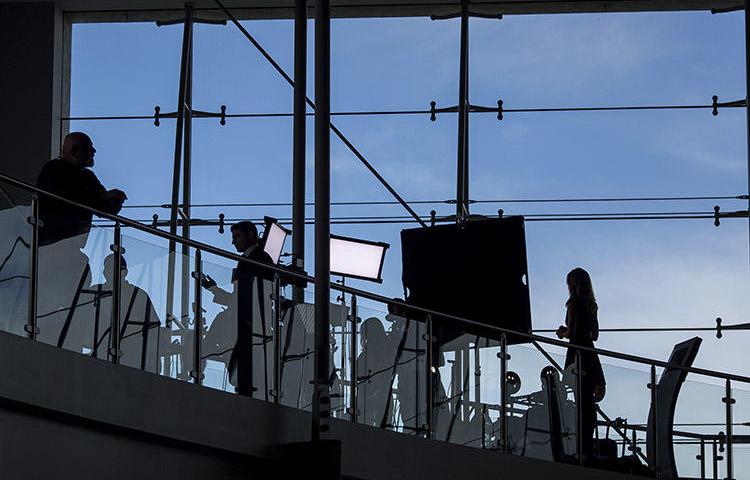
For local female journalists in US, rape threats, stalkers, harassment can come with the beat
In 2016, the FBI told a local TV journalist that she wasn’t safe sleeping in her own home. Her TV station, which covers a major American city, hired an off-duty police officer to guard the parking lot when she arrived at work. Even for a journalist covering organized crime, such measures may seem extreme–but her…
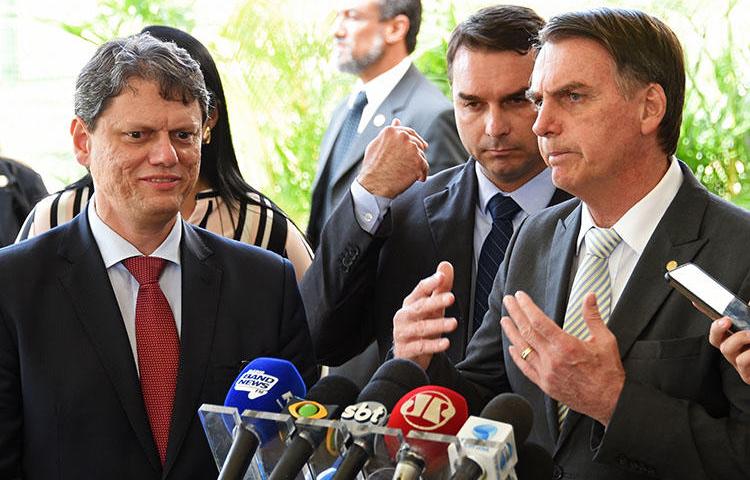
Ahead of inauguration day, Brazilian media braces for Bolsonaro
Long before one of their photographers was harassed on election night in Brazil, the editors at Fortaleza newspaper O Povo were meeting with their readers and staff to discuss the increasingly polarized environment and how to deal with it.

In Mexico, ‘narcopolitics’ is a deadly mix for journalists covering crime and politics
It was 3 p.m. on January 13 when Carlos Domínguez Rodríguez stopped at a traffic light in Nuevo Laredo, in the northern Mexican state of Tamaulipas. Two men approached the car of the well-known newspaper columnist, opened the driver’s door, and stabbed him more than 20 times in front of his family.
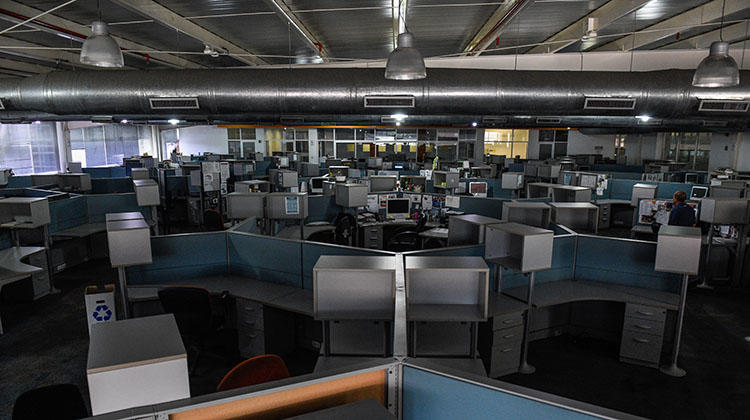
Lawsuits and economic crisis drive Venezuela’s journalists into exile
When Ewald Scharfenberg, the founding editor of the Venezuelan investigative news website Armando.Info, holds editorial meetings, he pulls out his mobile phone. That’s because most of his reporters are in Venezuela while Scharfenberg lives and works in neighboring Colombia.