CPJ, RCFP file lawsuit seeking documents in leak investigation
Yesterday, the Committee to Protect Journalists and the Reporters Committee for Freedom of the Press (RCFP) filed a lawsuit against the United States government seeking to obtain documents concerning steps taken by U.S. Customs and Border Protection (CBP) to investigate leakers and to identify journalists’ sources.
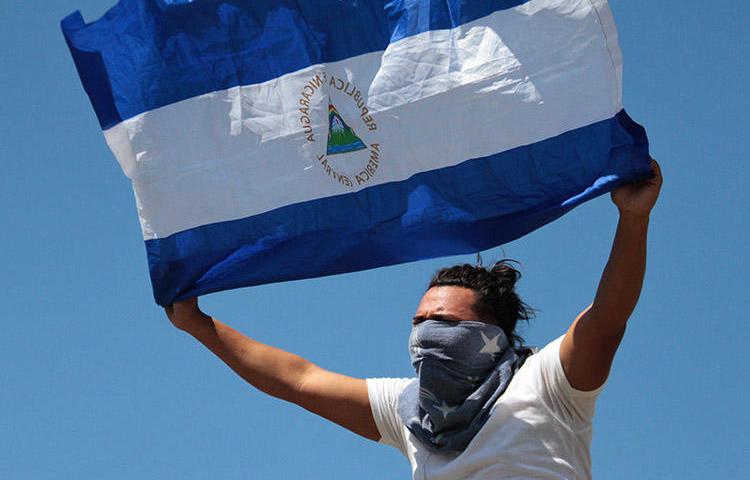
Nicaragua: A crackdown in four parts
When protests erupted in Nicaragua in April last year, it was clear from the beginning that the country’s media landscape would be a battleground. One day into the unrest, the government ordered cable providers to cut the signals of at least five TV channels. By the end of the year, CPJ had documented attacks, arrests,…
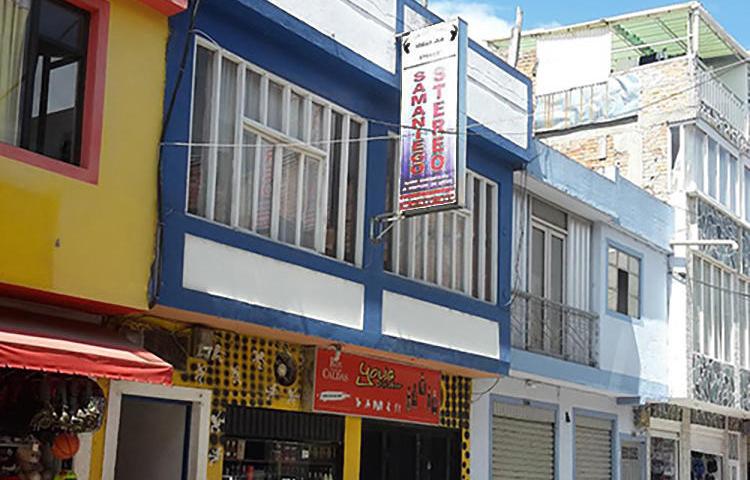
Killing of radio journalist highlights dangers for local reporters in Colombia’s border region
The otherwise Spartan studio of Samaniego Stereo is adorned by a white banner emblazoned with the image of Libardo Montenegro, a veteran reporter for the community radio station in southern Colombia who was shot dead on June 11. Under his photo are the words: “You will live in our hearts forever.”
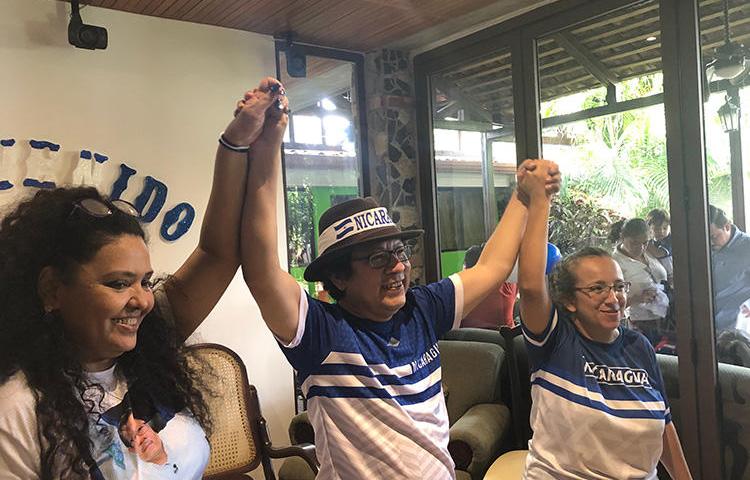
Locked in ‘small graves’: Nicaraguan journalists Mora and Pineda describe their ordeal
Miguel Mora and Lucía Pineda were arrested on December 21, 2018, in the Managua newsroom of 100% Noticias and spent 172 days in prison facing charges of “inciting violence and hate” and “promoting terrorism.” The two journalists spoke to CPJ after their June 11 release. They will receive CPJ’s 2019 International Press Freedom Award in…
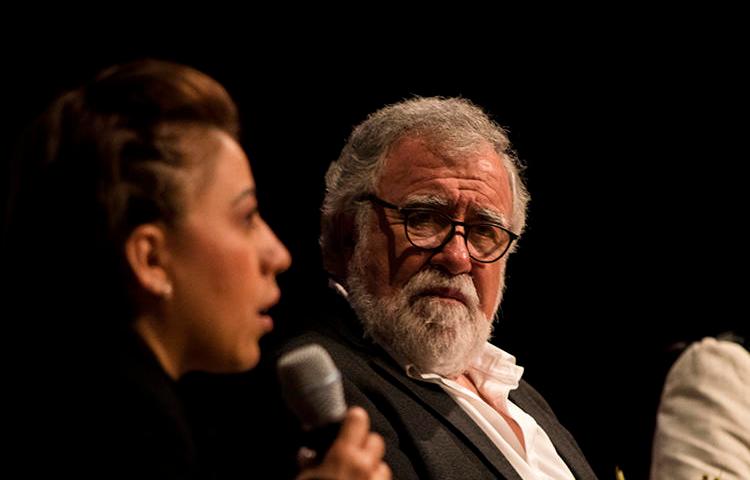
Press freedom summit urges Mexico to reform journalist protections
On June 18, more than 400 people converged in Mexico City for CPJ’s Mexico Press Freedom Summit. Energized by a sense that the country is at a point of profound political change under the government of President Andrés Manuel López Obrador, the conference delved into the threats for Mexican journalists.
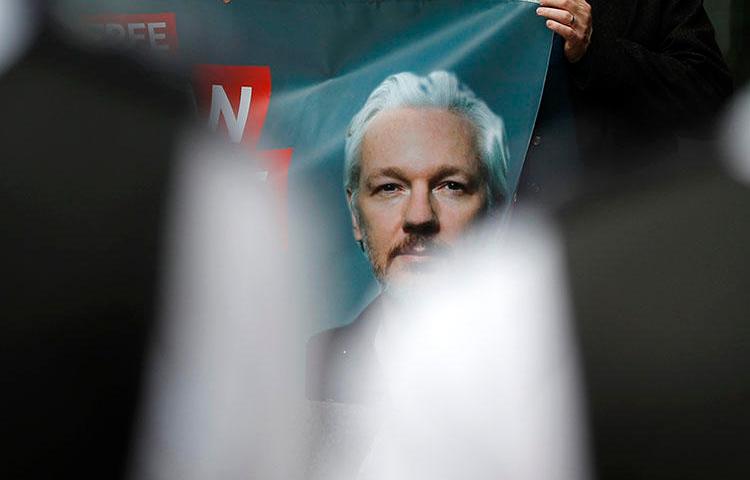
Tech journalists troubled by Assange computer intrusion charge
The Trump administration’s decision to charge Julian Assange with 17 counts of violating the Espionage Act has generated significant controversy. One legal expert described it as “crossing a “constitutional Rubicon.” CPJ warned that the indictment could be the opening salvo in a broader attack on First Amendment journalistic protections. The 18th charge against Assange–of violating…
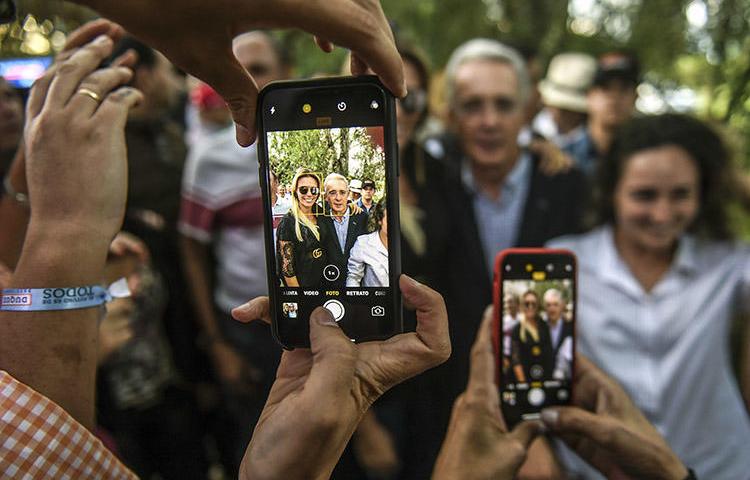
Uribe lawsuit part of ‘systematic campaign to silence me,’ Colombian reporter Coronell says
A civil defamation lawsuit filed in a U.S. court by former Colombian President Álvaro Uribe Vélez against journalist Daniel Coronell is the latest broadside in a long and bitter dispute pitting one of Colombia’s most powerful politicians against an investigative reporter.
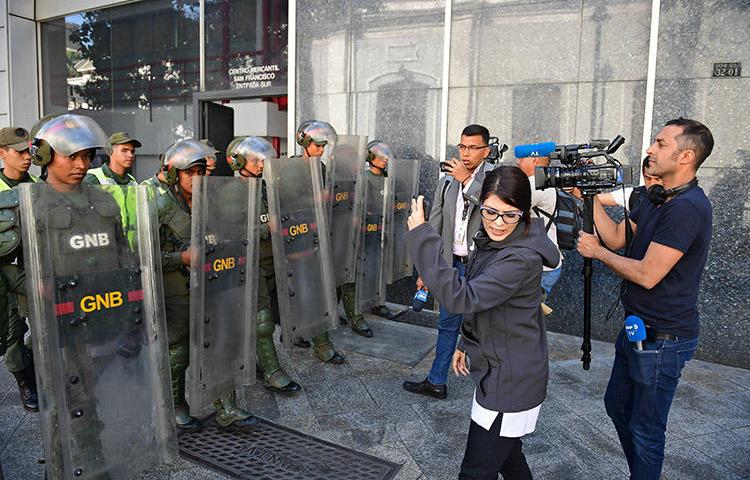
Caracas full of uncertainty for journalists covering Venezuela crisis
A year after disputed national elections in Venezuela, and with access to information growing ever-scarcer, the country remains in a political and economic crisis. Conditions for the press have deteriorated further since January, when Juan Guaidó, the head of the opposition-led national assembly, declared himself interim president.

Mexico’s press question president’s commitment to press advertising reform
When Andrés Manuel López Obrador won Mexico’s presidential elections last year with a promise to drastically cut the millions of dollars the government spends on press advertising each year, it appeared to signal the end to an opaque system that has been criticized as a way for governments to encourage favorable coverage.