
US intelligence community should explain document denial in Khashoggi case, CPJ lawsuit argues
The U.S. intelligence community should confirm or deny the existence of documents that may provide information on its awareness of threats to the life of Washington Post columnist Jamal Khashoggi, the Committee to Protect Journalists argued in a brief submitted yesterday to the U.S. Court of Appeals for the District of Columbia. Khashoggi, a Saudi…
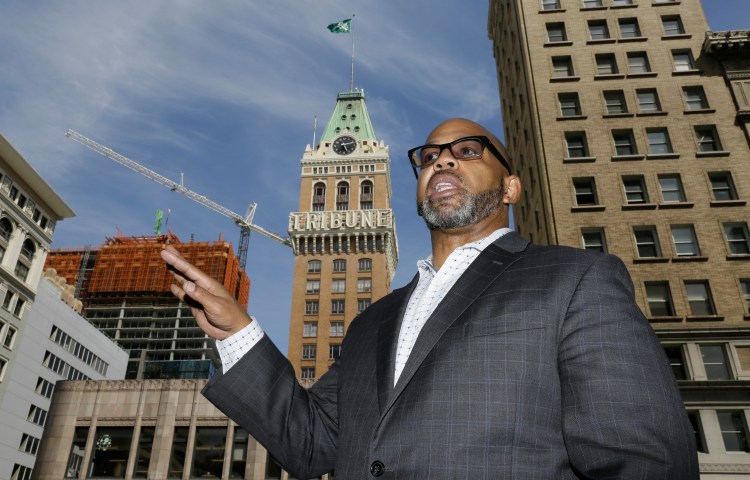
Maynard Institute’s Martin G. Reynolds on challenges facing Black journalists and how US media needs to change
Martin G. Reynolds, a veteran journalist and editor, is co-executive director at the Emeryville, California-based Maynard Institute, which was established to help diversify newsrooms through training programs. A year after the Maynard Institute’s founding in 1977 — originally as the Institute for Journalism Education — people of color made up 4% of journalists nationwide, according…

Getty photographer John Moore on how covering Ebola prepared journalists for COVID-19
Getty Images photographer John Moore has covered crises all over the world, from the U.S. border with Mexico to political unrest in Pakistan. But the COVID-19 pandemic has found him capturing devastation closer to home: in Stamford, Connecticut, where he lives, and in the hard-hit suburbs of New York City.
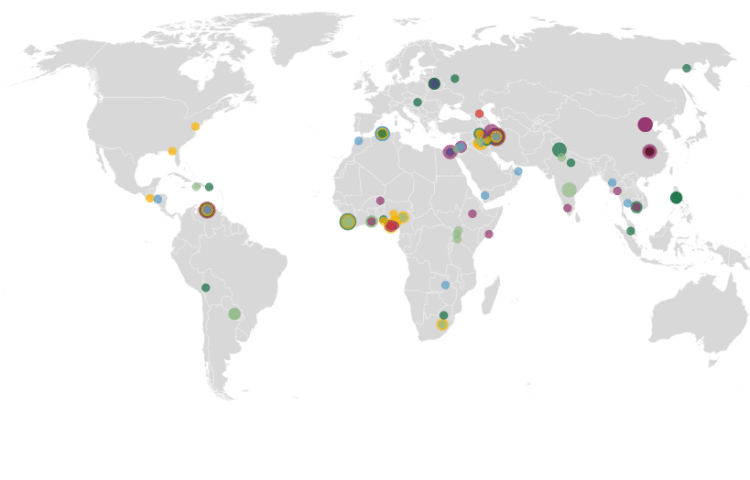
Map: Attacks on press freedom during the COVID-19 pandemic
Updated June 22, 2021 CPJ has documented numerous press freedom violations since the start of the COVID-19 pandemic, from legislation threatening to censor free speech to arrests of journalists providing the public with vital news about the virus. This map plots violations, verified by CPJ staff, across nearly every region of the world from early…
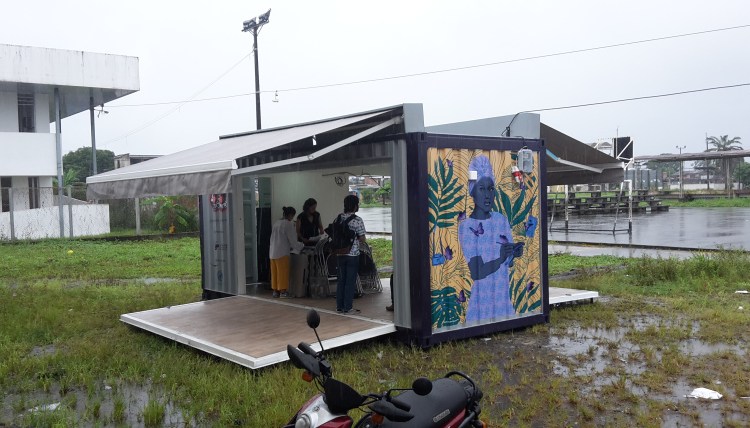
In Colombia, a shipping container on wheels brings a roving reporting workshop to news deserts
Can the key to ending news blackouts in isolated areas of Colombia come from inside a shipping container? The Bogotá-based Foundation for Press Freedom (FLIP) thinks so. In an experiment to turn community activists into reporters in regions that lack local news outlets, FLIP has converted a shipping container into a roving journalism classroom. For…
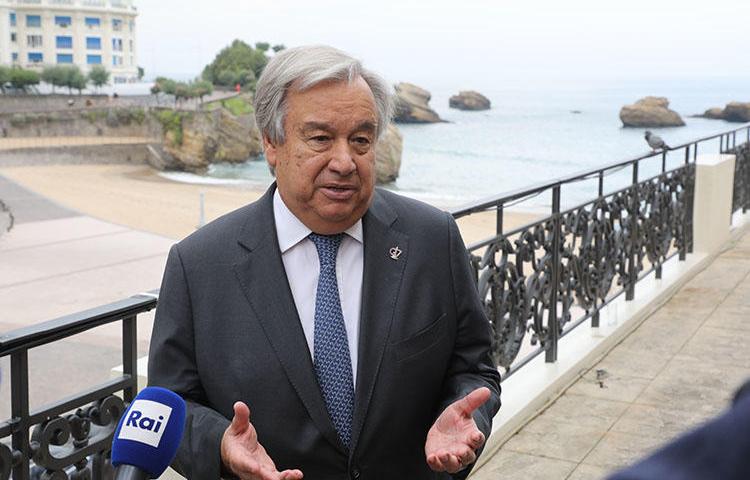
UN Secretary General responds to #FreeThePress campaign call to action
In a letter this week to the partners of the 2020 #FreeThePress campaign, UN Secretary General Antonio Guterres emphasized that freedom of the press and the safety of journalists remains a key priority for him, stressing that, “No democracy can function without press freedom, which is the cornerstone of trust between people and their institutions,…
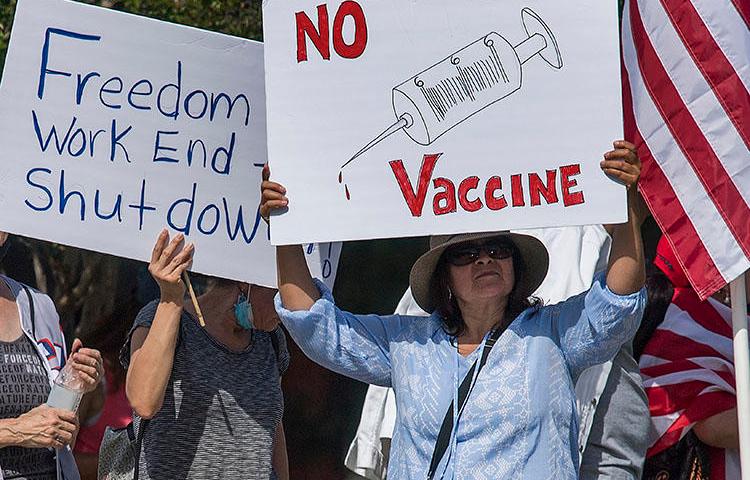
NY Times reporter Davey Alba on covering COVID-19 conspiracy theories, facing online harassment
Over the course of Davey Alba’s career as a tech reporter, her beat has transformed from covering the latest gadgets and phones to investigating the creeping influence and massive power wielded by tech companies over peoples’ everyday lives. As the coronavirus pandemic has spread across the globe, Alba, who covers tech and disinformation at The…

On third anniversary of his murder, Javier Valdez’s wife calls for justice in open letter
Today, on the third anniversary of the murder of her husband, Mexican reporter Javier Valdez Cárdenas, journalist Griselda Triana wrote an open letter calling for justice and describing the ordeal of her family in the wake of his killing. The letter was published in several Mexican news outlets and by the Committee to Protect Journalists.

First Draft’s Aimee Rinehart on fact-checking coronavirus misinformation
While digital communication enables the public to receive critical information about the COVID-19 pandemic in real time, the same tools are enabling an “infodemic” of misinformation that “can hamper an effective public health response and create confusion and distrust,” according to the United Nations.
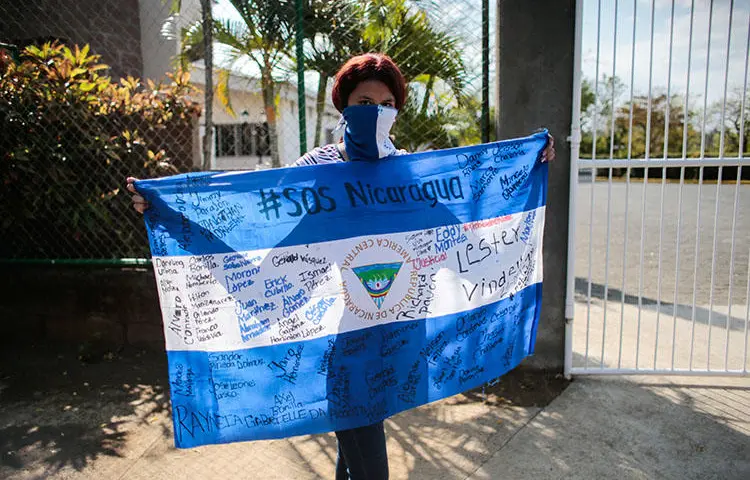
YouTube censors independent Nicaraguan news outlets after copyright complaints from Ortega-owned media
Miguel Mora, director of the independent Nicaraguan news outlet 100% Noticias, oversaw its move online after its television broadcast license was revoked by the government in April 2018. He and his colleagues transferred their archives onto two YouTube accounts and used them to continue documenting the government’s repressive response to escalating protests in the months…